
Indian restaurants are grappling with a severe LPG shortage due to the West Asia conflict, forcing them to innovate with menus and cooking methods or face potential closures, impacting the food industry and consumers across the country.

'Why are the political leaders saying everything is normal?'
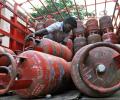
Hyderabad Police Commissioner V C Sajjanar has assured citizens that there is no shortage of fuel or LPG cylinders in the city, urging them to remain calm and avoid panic buying.
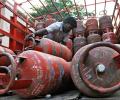
A joint operation by police and revenue officials in Beed, Maharashtra, resulted in the seizure of 29 illegally stored LPG cylinders intended for black marketing, amidst concerns of potential shortages due to the West Asia crisis.

Reduce your reliance on gas usage and distribute the cooking of your meals between your toaster, microwave, electric kettle or air-fryer.
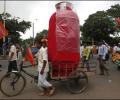
A gas agency in Pimpri Chinchwad, Pune, is under investigation after authorities discovered 57 illegally stocked LPG cylinders, amidst concerns about potential shortages due to the West Asia crisis.
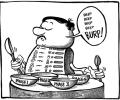
Mumbai hotels and restaurants are facing potential closures due to a critical shortage of commercial LPG cylinders, with similar disruptions reported across India. The crisis stems from revised government priorities for domestically produced natural gas, impacting the hospitality sector and potentially affecting tourism.

Nath's comments came amid the Congress party's continuous attack on Centre for the recent hike in commercial LPG cylinders and the Aviation Turbine Fuel (ATF).
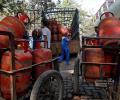
Thieves broke into a primary school in Barabanki, Uttar Pradesh, and stole an LPG cylinder used for preparing mid-day meals. One suspect has been arrested, and police are searching for his accomplice amid rising concerns about LPG shortages.

India's sugar consumption is projected to fall by nearly 400,000 tonnes in the 2025-26 season, primarily due to the ongoing liquefied petroleum gas (LPG) shortage exacerbated by the West Asia conflict and unseasonably cool weather.
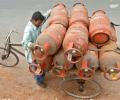
Argentina has significantly increased its LPG exports to India to help mitigate shortages caused by the ongoing conflict in West Asia. This partnership is becoming increasingly important for India's energy security.
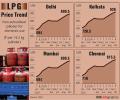
The canteen at the Sports Authority of India's headquarters in Delhi has suspended operations due to a vendor complaint about LPG supply shortages, though sources suggest pricing disputes are also a factor. This closure primarily affects staff, as athletes' meals are provided separately.
The Indian government has allocated an additional 40,000 kilolitres of kerosene to states as an alternative fuel to LPG, amid the ongoing crisis in West Asia. The government assures a comfortable crude oil supply situation in the country.
Former Haryana Chief Minister Bhupinder Singh Hooda criticises the state government over alleged LPG cylinder shortages and black marketing, urging immediate action to alleviate public hardship. He also addresses concerns regarding farmers' MSP and the SYL canal issue.
A 32-year-old man has been arrested in Mumbai for allegedly stealing 27 LPG cylinders. The arrest comes amid rumours of cooking gas shortages.

The Central government has assured the Bombay High Court that it is taking steps to address the LPG shortage caused by the conflict in West Asia. The court accepted the submission and disposed of a petition filed by LPG distributors.
Police in Thane district seized 84 illegally stored LPG cylinders worth Rs 2.22 lakh from a private premises in Bhiwandi, leading to a case against three individuals under the Essential Commodities Act. The raid comes amid increased vigilance to prevent hoarding and black marketing of domestic gas cylinders.

Indian eateries are adapting to the LPG crisis by cutting menus, increasing prices, and switching to alternative fuels like coal, as LPG supplies are disrupted due to global events. State authorities are cracking down on hoarding and black marketing of LPG cylinders.
Delhi Police arrested a gas agency owner for allegedly hoarding and black marketing LPG cylinders, seizing 459 cylinders in a raid.

'It would be similar to what happened during COVID-19.' 'They are not just losing income, but being pushed into distress.'

The Indian government has refuted claims of fuel shortages, asserting that the country possesses approximately 60 days of fuel stock cover and that all petrol pumps are adequately stocked and operating normally.
The canteen at the Sports Authority of India's headquarters in Delhi has suspended operations, with the vendor citing LPG supply shortages, while sources suggest pricing disputes are the real issue.

Let us start with ourselves. If we can reduce our LPG consumption by half, the problem is solved. Reduce wastage. Alter eating styles. Diversify methods of food preparation, suggests Vice Admiral Biswajit Dasgupta (retd).

An Indian-flagged LPG vessel successfully transited the Strait of Hormuz, reducing the number of Indian ships stranded in the Persian Gulf. India is in talks with Iran to ensure safe passage for its tankers, and Indian refiners continue to purchase crude oil and LPG from Iran despite regional tensions.

The government has mandated that cooking gas LPG supply to households will be discontinued if consumers fail to switch to piped natural gas where such connectivity is available, under a new order aimed at accelerating gas network expansion and reducing reliance on a single fuel.

Two more Indian-flagged LPG tankers have safely navigated the Strait of Hormuz, ensuring continued cooking gas supply to India amidst regional conflict. These tankers are expected to reach Indian shores soon, following the successful transit of previous vessels.
Delhi Police busted two illegal LPG hoarding and refilling rackets, seizing 125 cylinders and arresting three delivery agents.

'There is no shortage of fuel whatsoever.' 'India is stock surplus as far as petrol and diesel are concerned.'

Finance Minister Nirmala Sitharaman announces increased domestic LPG production to offset import disruptions caused by Middle East tensions, alongside assurances of fertiliser availability and the clearing of UPA-era oil bonds.
Indore authorities have filed a criminal case against the operator of an illegal LPG warehouse after discovering 66 cylinders and refilling equipment.
Escalating geopolitical tensions in West Asia are beginning to disrupt India's automotive supply chain, leading to rising commodity prices, logistics bottlenecks, material shortages, and pressure on consumer demand, with two-wheeler makers already raising prices.

'We have lost 70-80 per cent of our business from foreign guests.'
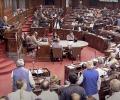
Opposition MPs in the Rajya Sabha criticised the Modi government's economic policies, citing the LPG crisis, lack of energy security, and concerns over the Economic Stabilisation Fund.

Around one full month of supply is firmly arranged with additional procurement being continuously finalised, and oil companies are successfully delivering over 5 million cylinders every day.

Jindal Steel has successfully deployed syngas in its galvanising and colour coating line furnaces to combat shortages of natural gas, LPG, and propane. This innovative approach allows the company to sustain operations and promotes energy self-reliance.
The Haryana government is taking strict measures to combat the black marketing of cooking gas cylinders, registering FIRs and seizing hundreds of cylinders. Officials assure citizens of sufficient LPG supply despite global concerns.

India continues to face LPG supply challenges for the third consecutive week due to disruptions caused by the West Asia conflict, though panic buying is showing signs of easing. The government is prioritising domestic household supplies and encouraging alternative fuel sources.
Delhi Police have registered multiple FIRs and seized hundreds of LPG cylinders in a crackdown on illegal storage, refilling, and black marketing operations amid concerns of potential supply shortages.
'Nobody explained why. After that there was panic buying, there was hoarding -- and then nothing reached us.'
The Haryana government is taking strict action against black marketing of cooking gas cylinders, registering FIRs and seizing hundreds of cylinders to ensure adequate supply for citizens.
