
Dr Amreen Sheikh, chief dietician at KIMS Hospital, recommends a list of healthy fat alternatives that you can have instead of cheese without compromising on nutrition.

If it's not, Dr Muffazal Lakdawala lists the problems you can face.

Your gut hosts diverse microbes affecting health, mood, and metabolism. Diet shapes gut bacteria, influencing well-being. Here's a list of 10 healthy foods to boost good bacteria and support gut health.

In 2026, try and include these 10 crucial foods in your diet.

Dr Rajeshwari Panda, head of the dietetics department at Medicover Hospital, shares a list of foods that promote gut health.

Trying hard to lose weight? Try out these super foods!

Opposition leaders have criticised Prime Minister Narendra Modi's address to the nation, calling it politically motivated and a misuse of official platforms during ongoing elections.

Discovering the stunning land of breathtaking temples.

Dr Rajeshwari Panda, head of the dietetics department at Medicover Hospital, breaks down the nutritional value of some of India's most loved breakfast options.

Zucchini/courgette, supplies potassium, says Mayo Clinic, an essential mineral that plays a vital role in keeping the body functioning smoothly.

Packed your gym bag with protein bars? They might not be doing your heart any good. Dr Sanjay Bhojraj, an interventional cardiologist, explains how certain everyday foods can be more harmful than they seem, and what to choose instead.

Your yoga practice doesn't start on the mat; it begins in the kitchen, says Dr Yogrishi Vishvketu, global yoga educator and founder of the Akhanda Yoga Institute.
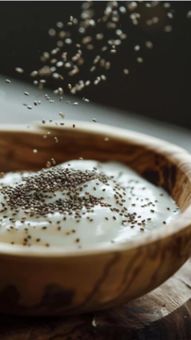
Yeasts and good bacteria, that are excellent for your gut, are probiotics. These good guy microbes keep your system healthy and root out the bad bacterias.

Some of the easily digestible spices during monsoon are garlic, asafetida, pepper, ginger, turmeric, cumin and coriander. They also provide excellent nutrition.

Green vegetables contain a high amount of soluble and insoluble fiber to balance your good and bad gut bacteria.

'If a parent was diagnosed at 50, the child should start screenings 5 to 10 years earlier (around 35 to 40).' 'Awareness of family history and age of onset helps catch the disease early.'

A pinch of turmeric in a glass of milk or with honey in hot water would be ideal for the monsoon.

After losing 18 kg, fitness coach Ambika Jain shares her story to help others understand that healthy living doesn't mean starving yourself or never eating out.

Are you looking to transform your health game? Dr Chetan Savaliya, director, Satvam Nutrition, has some tips for you.

If you are overweight or obese, or suffer from stress and anxiety, it will affect your gut health, leading to acidity, says Dr Meghraj Ingle.

Certain everyday habits -- like poor sleep, stress and multitasking -- can quietly weaken your brain. Making simple lifestyle can help protect your mental health.

Dr Aniket Mule, consultant, internal medicine, KIMS Hospitals, offers practical advice to protect yourself from mosquitoes and water-borne diseases like malaria, dengue and chikungunya.

Health goals should be for life, not event-centric, says Aayushi Lakhapati.

Consume foods that keep you hydrated, are light and easy on the gut, advises Sanya Narang.
A diet rich in vegetables and fruits can help regulate blood pressure, reduce the risk of heart disease and stroke, prevent colon cancer, lower risk of eye and digestive problems, regulate diabetes and can help keep appetite in check, suggests Dr Eileen Canday.

In the monsoon, avoid heavy, greasy foods like pakodas that are deep fried as these take longer to digest, thus straining your gut.

Pani Puri, Samosas, Vadas, sandwiches may seem very tempting in the monsoon, but it is better to avoid them for your health, suggests Gayatri Trakru.

Lack of sleep, unhealthy eating habits, physical inactivity and a stressful daily schedule stemming from demanding career paths to juggling multiple hats on the personal front are some factors that increase health challenges, especially in young Indians, notes dietician Sheryl Salis.

A diet rich in proteins, vitamins and minerals is very crucial in maintaining and boosting immunity.

Drink enough water, focus on your portion sizes, cut out junk food, start a walking routine, and stay consistent.

Replace processed and packaged foods with whole, unprocessed foods like fruits, green vegetables, whole grains and lean proteins, says Dr Gaurav Kumar Patil.

Drinking plenty of water will help keep your blood clean and reduce the build-up of excessive toxins -- cholesterol being one of them.

Dietician Komal Jethmalani provides the answers.

People should include nutrient-dense foods that are rich in fibre and proteins, says Hardik Shukla.

'Instead of fearing these foods, which never helps because it only increases cortisol levels, exercise control over your mouth, greed, portions and adopt an overall healthy lifestyle,' advises lifestyle coach Luke Coutinho.

Even 30 minutes of exercising daily is known to balance hormones, manage stress, and manage weight to the best, says Dr Manoj Kutteri.

A balanced diet should include steamed and boiled vegetables, milk products such as buttermilk and yoghurt, fresh fruits, herbal teas and bitter vegetables, suggests Zamurrud M Patel, CDE, RD, chief dietician, Global Hospitals, Mumbai.

Nutritionist Komal Jethmalani tells you simple ways to improve your health in the New Year.

Milk, turmeric, millet and nuts are important source of nutrients for your body, says Ritika Samaddar.

Nutritionist Dr Siddhant Bhargava explains the importance of essential nutrients, probiotic food and vitamin C in your daily diet.
 © 2026 Rediff.com - Advertise with us - Disclaimer - Privacy Policy - Sitemap - Feedback - About us - Terms of use - Grievances