

Some foods marketed as 'healthy' may actually fuel inflammation, disrupt metabolism and quietly increase your risk for cardiovascular disease.
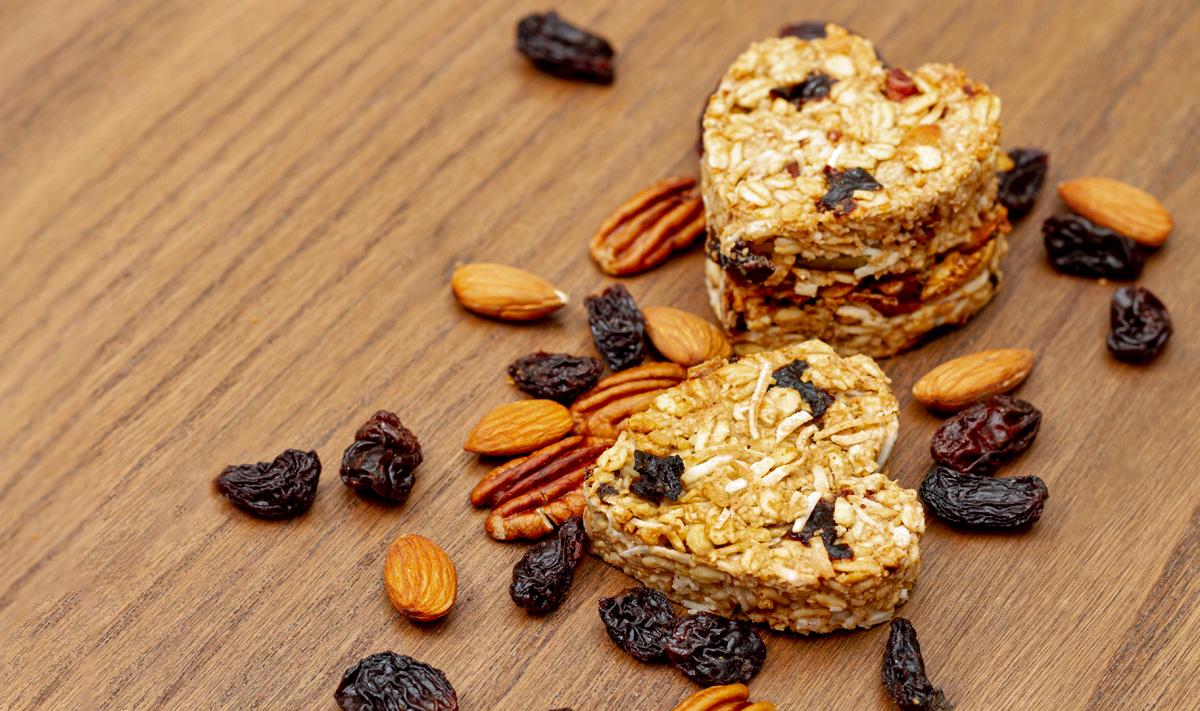
Swapped sugar for 'zero-cal' sweeteners? Packed your gym bag with protein bars? They might not be doing your heart any good.
When it comes to heart health, what you avoid can matter just as much as what you add. And those snack bars, shakes and 'guilt-free' treats lining the health-food aisle?
Some are secretly fuelling inflammation, messing with your metabolism and raising your risk for heart disease -- even if they look like the perfect gym snack.
Dr Sanjay Bhojraj, an interventional cardiologist from California and founder of the Laguna Institute of Functional Medicine, recently shared an Instagram post titled '5 Things I Would Never Eat as a Functional Cardiologist'.
With nearly two decades of experience treating heart disease, Dr Bhojraj wrote, 'I don't eat this way to be perfect -- I eat this way because I’ve seen what long-term inflammation does to the heart, metabolism and brain.'
His list highlights how certain everyday foods can be more harmful than they seem and what to choose instead.
1. Seed oils (canola, soybean and corn oil)
These oils are often promoted as heart-healthy but once refined and heated, they can oxidise and trigger invisible inflammation in your arteries and cells. Over time, this can contribute to plaque build-up and arterial stiffness.
Dr Bhojraj said he replaced them years ago with olive oil, avocado oil, beef tallow and grass-fed ghee -- fats that are more stable and less inflammatory.
2. 'Diet' or 'Zero Sugar' products
Artificial sweeteners might cut calories, but they can confuse your metabolism.
According to Dr Bhojraj, 'They trick your brain and gut into thinking sugar is coming, confusing your insulin response and making you crave more.'
Instead of relying on artificial sweeteners, he suggests natural options like fresh fruit, dates or a touch of raw honey -- sweeteners your body can actually process.
3. Flavoured yogurts
Yogurt has a healthy reputation, but flavoured varieties can contain as much sugar as a dessert, which drives inflammation and insulin resistance.
Dr Bhojraj keeps it simple: Plain Greek yogurt topped with fresh berries and cinnamon for natural sweetness and antioxidants.
4. Protein bars
Marketed as a convenient, high-protein snack, many protein bars are 'candy bars in disguise', says Dr Bhojraj.
Most are packed with seed oils, syrups, and additives that can bloat the gut and spike inflammation.
He opts instead for real, whole-food snacks like nuts or boiled eggs -- nutrient-dense and easy to digest.
5. 'Vegetable' chips
Despite their name, most veggie chips are fried in the same inflammatory seed oils used for regular chips, negating any supposed health benefit.
For a better crunch, Dr Bhojraj recommends baking sweet potato slices or roasting chickpeas at home.
Chronic inflammation is one of the silent drivers of heart disease. It damages blood vessels, disrupts metabolic balance, and accelerates aging at the cellular level. Many of the foods we assume are harmless or even healthy can quietly keep this inflammatory cycle going.
As Dr Bhojraj explained in his post, 'Functional medicine is about awareness. And when you understand how food signals your biology, your choices get a lot clearer.'
The takeaway? You don't need to overhaul your diet overnight but being mindful of what's in your food, how it's processed and how it affects your body can go a long way in supporting a stronger, healthier heart.
Disclaimer: All content and media herein are written and published online for informational purposes only. It is not a substitute for professional medical advice. It should not be relied on as your only source for advice.
Please always seek the guidance of your doctor or a qualified health professional with any questions you may have regarding your health or a medical condition. Do not ever disregard the advice of a medical professional, or delay in seeking it because of something you have read herein.
If you believe you may have a medical or mental health emergency, please call your doctor, go to the nearest hospital, or call emergency services or emergency helplines immediately. If you choose to rely on any information provided herein, you do so solely at your own risk.
Opinions expressed herein cannot necessarily provide advice to fit the exact specifics of the issues of the person requesting advice.









 © 2026