
Indian para-athlete Anmol Vasistha has been banned for three years by the International Paralympic Committee (IPC) after failing a doping test for the anabolic steroid DHCMT at the New Delhi 2026 World Para Athletics Grand Prix in March. His suspension began on April 24, and all his results from the competition have been disqualified.
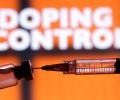
The Wrestling Federation of India (WFI) has issued a strict anti-doping advisory after several Indian wrestlers, including two Asian Games selections, were implicated in doping and whereabouts violations. The cases, involving substances like Mephentermine and Stanozolol, have led to exclusions from major competitions and highlight a lack of awareness among athletes regarding anti-doping rules and personal responsibility.

Long-distance runner Abhishek Pal, selected for the Asian Games, has received a notice from NADA for an alleged doping violation. While not yet provisionally suspended, a banned substance, possibly a female fertility drug, was found in his sample, raising concerns about his participation in the upcoming games.

Indian kurash player Yash Kumar Chauhan has been provisionally suspended after testing positive for multiple banned substances during the Asian Games.

Indian tennis player Parikshit Somani has been handed a four-year ban by an independent tribunal after testing positive for the prohibited substance trimetazidine. The International Tennis Integrity Agency (ITIA) announced the suspension, which will last until September 2029. Somani's explanation of food contamination was deemed "scientifically implausible" by the tribunal, leading to the full ban without mitigating circumstances.

Indian quarter-miler MR Poovamma, 36, secured her third Asian Games 4x400m relay gold, marking a triumphant return after a two-year doping ban. She expressed immense satisfaction in proving her critics wrong and credited her family and husband for their unwavering support during her challenging comeback journey.
An Indian swimmer, who had qualified for the Asian Games, has been suspended for 18 months after testing positive for terbutaline, a banned substance. This suspension means the 17-year-old will miss the upcoming continental event in Aichi-Nagoya, Japan, despite his twin brother being part of the team.
A 17-year-old Indian swimmer, who had qualified for two events at the Asian Games, has been suspended for 18 months after testing positive for terbutaline, a banned substance. The suspension means he will miss the upcoming continental event in Aichi-Nagoya, Japan, starting September 19.
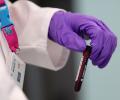
Greco Roman wrestler Deepak has failed a dope test, leading to his withdrawal from the Asian Games contingent. This marks the third doping case for Indian wrestling ahead of the continental event, further reducing India's representation. The National Anti-Doping Agency (NADA) found clomifene in his sample, a prohibited substance. The Wrestling Federation of India (WFI) decided to withdraw him to avoid potential penalties from the world governing body.
Indian kabaddi player Brijendra Singh Choudhary has been stripped of his silver medal from the Asian Beach Games after failing an in-competition dope test. He tested positive for the prohibited diuretic brinzolamide and has accepted the sanction, leading to the disqualification of his results.
Indian kabaddi player Brijendra Singh Choudhary has been stripped of his silver medal from the Asian Beach Games after testing positive for a prohibited diuretic. The International Testing Agency (ITA) confirmed the anti-doping rule violation, which Choudhary has accepted.

National Anti-Doping Agency (NADA) Director-General Anant Kumar highlighted the need for a collective effort from all stakeholders in the Indian sports ecosystem to reduce doping incidents. He made these remarks during a National Roundtable on Doping Prevention in Sports, which discussed various factors contributing to doping and strategies for prevention.

UAE cricketer Asif Khan has been banned for 15 months by the ICC after testing positive for a banned anabolic steroid, mesterolone, during an out-of-competition test. The ban is backdated, and his past results from September 2025 have been disqualified.

India's first Asian Games gold-winning heptathlete, Swapna Barman, has been provisionally suspended by NADA after testing positive for the banned substance Boldenone. This disciplinary action proceeds despite her recent retirement announcement. The case highlights ongoing efforts to combat doping in Indian sports, with other athletes also facing bans.

Former Asian silver medallist and Olympian javelin thrower Shivpal Singh has been suspended for 10 years by NADA for a second doping offence involving methandienone, potentially ending his career. This follows a previous ban in 2022 which was reduced to one year after he claimed contaminated supplements.

Mohammad Yunus Khan, a renowned athletics coach who mentored star long-distance runners like Gulveer Singh and Kartik Kumar, has been provisionally suspended by the National Anti-Doping Agency (NADA) for alleged 'complicity' in an anti-doping rule violation. Khan, a coach at the Army Sports Institute, faces charges under Article 2.9 of NADA rules, though the exact nature of his offence remains undisclosed. The suspension highlights ongoing efforts against doping in Indian sports, with several other athletes also recently provisionally suspended.

India's weightlifting contingent for the Commonwealth Games has seen its quota reduced from 16 to 11 lifters, leading to the withdrawal of Dilbagh Singh. This reduction is a direct consequence of multiple Anti-Doping Rule Violations (ADRVs) by Indian lifters during the qualification period, highlighting ongoing doping issues within the sport.

India has once again topped the Athletics Integrity Unit's global list of dope offenders with 162 names, highlighting a significant doping problem in the country's sporting landscape. This led to the Athletics Federation of India being re-categorised to 'Category A' due to high doping risk, requiring more stringent testing.

Indian judoka Arun Kumar has been withdrawn from the Glasgow Commonwealth Games after failing an out-of-competition dope test. He has received a provisional suspension from NADA, reducing India's contingent size.
Indian judoka Arun Kumar has been withdrawn from the Glasgow Commonwealth Games after failing an out-of-competition dope test. He has received a provisional suspension from NADA, reducing India's contingent size.

French tennis star Gael Monfils has officially retired from professional tennis at the age of 40, as confirmed by the International Tennis Integrity Agency, ending a career marked by athleticism and 13 ATP Tour singles titles.
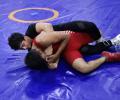
Indian wrestler Jaspreet Kaur has been sanctioned by the International Testing Agency (ITA) after testing positive for prohibited stimulants, octodrine and heptaminol, during the Asian Beach Games. She accepted the anti-doping rule violation, leading to disqualification of her results, with further sanctions from United World Wrestling possible.

Indian sprinter Simran has won her second gold medal at the Asian Para Games, triumphing in the women's 100m T12 event with a new Games record of 12.02 seconds on Wednesday. This follows her 200m gold on Tuesday, also achieved with a Games record. Simran, a 26-year-old Paralympics bronze medallist, is making a strong comeback with her new guide.

India's weightlifting team, led by Olympic silver medallist Mirabai Chanu, is set to compete at the Commonwealth Games. Despite a reduced squad due to doping violations, India aims to continue its dominant performance in the sport, benefiting from the absence of strong competitors like China and North Korea. Chanu, a strong gold medal contender, plans a cautious approach with the Asian Games in mind.

India continues to lead the Athletics Integrity Unit's (AIU) global list of dope offenders with 162 names, highlighting a significant problem in the country's sports. The nation has been re-categorised to 'Category A' by the AIU, indicating an "extremely high" doping risk and requiring more stringent anti-doping measures.
Indian judoka Arun Kumar has been withdrawn from the upcoming Glasgow Commonwealth Games after failing an out-of-competition dope test. He tested positive for an anabolic steroid and has been provisionally suspended by NADA, reducing India's judo contingent.

Pakistan all-rounder Mohammad Nawaz has been sanctioned by the International Cricket Council (ICC) with a three-month ban after testing positive for a cannabis-related substance. The ban, which can be reduced upon rehabilitation, was backdated to May 1, and his records from matches between February 7 and May 1 have been disqualified.
Top Indian athletes like PV Sindhu, Mirabai Chanu, Neeru Dhanda, and Harmanpreet Singh have been nominated by their respective National Sports Federations to the electoral college for the Indian Olympic Association's Athletes Commission polls on November 3. The article details the nomination process, eligibility criteria, and the composition of the new Athletes Commission, noting the absence of some federations and the exclusion of outgoing members like Mary Kom.

Olympic medallist Neeraj Chopra's foundation has partnered with the Indian Olympic Association to launch an anti-doping education campaign for athletes, addressing the issue of quick success and contaminated supplements.

India is determined to host the 2036 Olympics as part of a broader strategy to become a global sporting superpower, despite challenges like limited multi-sport event experience and a poor doping record, according to Indian Olympic Association CEO Raghuram Iyer.

Indian sprinter Simran secured a gold medal and set a new Games record in the women's 200m T12 event at the Asian Para Games on Tuesday. Her compatriot Tejalben Damor also won a bronze in the same competition. Simran, a Paris Paralympics bronze medallist, overcame dietary challenges to achieve her win, while debutant Tejalben expressed determination for her upcoming 400m race.

Parveen Hooda and Chen Nien-chin's final bout highlighted the respect and camaraderie that exists in the sport of boxing.
Javelin thrower Neeraj Chopra has partnered with the Indian Olympic Association (IOA) to launch a "Clean Sports Campaign" aimed at combating doping in India. This initiative comes as India faces a serious doping problem, topping WADA's list of offenders, and seeks to educate athletes on anti-doping regulations and promote fair play. Chopra emphasised the importance of patience over quick gains through doping, highlighting the long-term damage it causes to athletes and the nation's sporting image.

The 65th National Open Athletics Championships begins on Thursday in New Delhi, featuring hammer thrower Nirbhay Choudhary aiming to improve his national record and sprinter Manikanta Hoblidhar making a comeback from injury. Other prominent athletes like race walker Servin Sebastian, Olympians Paramjeet Singh Bisht and Suraj Panwar, and long-distance runner Abhishek Pal are also set to compete, alongside several Asian Games medallists.

Disquiet has emerged within India's rowing camp at the Asian Games as some players claim they have been moved from their original events, with reserves taking their places. This has caused significant distress among the affected athletes just as competitions are set to begin.
The Indian Pencak Silat Federation will host the 4th Junior & 11th Senior Asian Pencak Silat Championship in Goa from April 19 to 23 next year, bringing together top athletes from across Asia with endorsement from PERSILAT.

Indian para track and field athletes secured 14 medals, including five gold, at the Asian Para Games. Nishad Kumar became the third Indian to win two gold medals in a single edition, triumphing in high jump and long jump. Deepthi Jeevanji and Pranav Soorma also clinched gold, setting new Games and Asian records respectively, highlighting India's strong performance.

Indian para track and field athletes delivered a spectacular performance at the Asian Para Games, securing 22 medals, including five gold, on Wednesday. Sprinter Simran Sharma was a standout, clinching her second gold medal in the women's 100m T12 event, making her only the fourth Indian to win two golds in the same edition. Other gold medallists included Dilip Gavit, Praveen Kumar, Ayush Verma, and Sachin Khilari, contributing to India's total of 42 para-athletics medals.

Former Wimbledon women's champion Marketa Vondrousova has been suspended for four years by the International Tennis Integrity Agency (ITIA) for refusing an out-of-competition anti-doping test in December.

The Sports Ministry has removed para-shooting coach Jai Prakash Nautiyal from India's Para Asian Games contingent following allegations of kickbacks and protests from athletes. The contingent of 166 athletes and 109 support staff is set to compete in Aichi-Nagoya, Japan, starting October 18, with several prominent Paralympians included despite selection controversies.
