

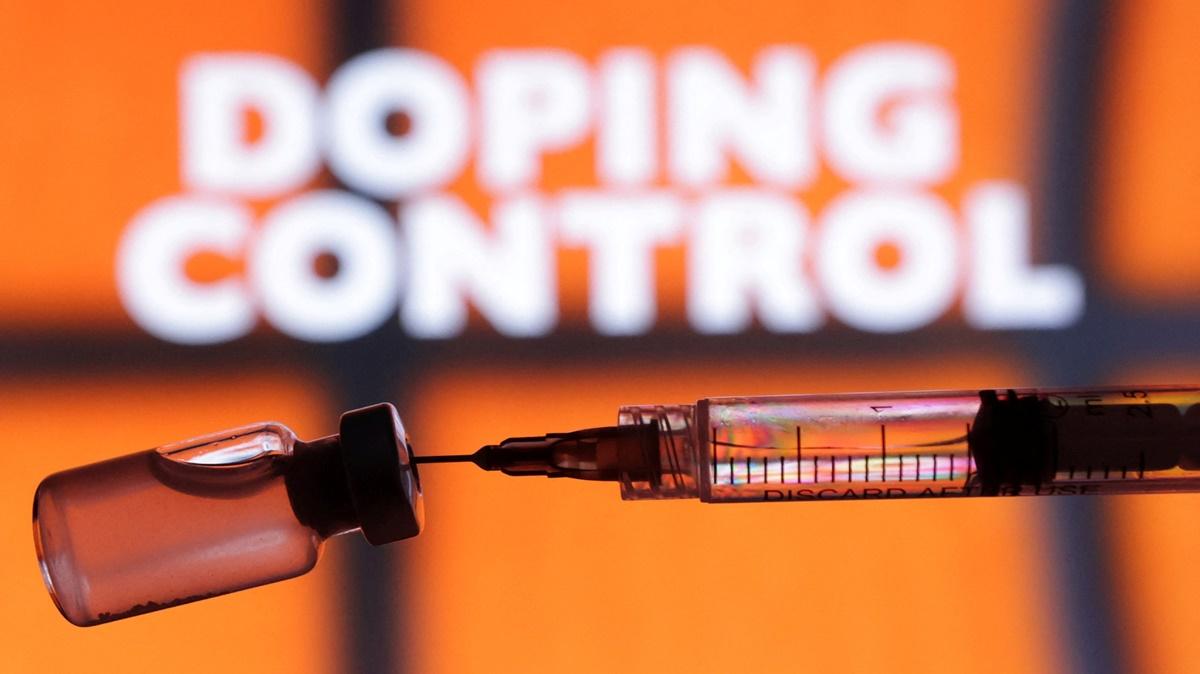
India is set to introduce a stringent anti-doping law with criminal penalties for those involved in trafficking and administering performance-enhancing substances, signalling a strong commitment to clean sports and ethical competition.
Key Points
- India is developing a law to criminalise trafficking and administration of banned substances to athletes.
- The new law targets athlete support staff and others involved in doping activities, including coaches.
- India aims to tackle doping to improve sports integrity and support its Olympic aspirations.
- The country has significantly increased anti-doping testing and seen a decline in adverse analytical findings.
- Prevention through education and awareness is a key strategy in India's anti-doping efforts.
Sports Minister Mansukh Mandaviya said government is working towards a legislation that would criminalise trafficking and administration of prohibited performance-enhancing substances to athletes.
Speaking at the World Anti-Doping Agency's Global Anti-Doping Intelligence and Investigations Network (GAIIN) Final Conference here, the minister said India, which has topped the global list of dope offenders for the past three years, would aggressively tackle the menace that casts a massive shadow on its aspirations of hosting the Olympics in 2036.
"We are working on introducing criminal provisions for athlete support staff or other persons involved in trafficking and administering banned substances," Mandaviya said, making it apparent that coaches who are found encouraging use of banned substances by athletes would be among those at the receiving end.
Currently, India does not have penal provisions to tackle supply of banned substances to athletes and disciplinary action is limited to bans that can last up to a lifetime depending on the degree of the offence.
Tackling Doping as an Organised Crime
"Doping is no longer individual conduct. It is organised multi-national enterprise. The threat of doping undermines sport as India becomes a global sporting hub. Regulations are not enough. Ethics and values are at the core of sports but growing pressure of competition can lead to doping," Mandaviya stressed.
"India is committed not only to sporting excellence but to upholding the highest standards of integrity."
Addressing the conference, Mandaviya said India has undertaken proactive reforms "not just for compliance, but with a genuine commitment to the integrity of sports."
Preventive Measures and Increased Testing
On preventive measures, Mandaviya stressed that "prevention remains the most effective strategy."
"Providing the right information at the right time empowers athletes to make informed decisions and avoid both intentional and accidental violations," he added.
India has significantly expanded its anti-doping testing from around 4,000 tests in 2019 to approximately 8,000 tests in the past year.
Mandaviya noted a significant decline in adverse analytical findings, from 5.6 per cent in 2019 to less than two per cent currently, reflecting the impact of "sustained awareness and preventive efforts."









 © 2026