
Scientists have developed an advanced gene therapy that effectively reduces tremors associated with Parkinson's disease. This new approach, detailed in a package of 26 studies, is more effective and less invasive than current treatments. The research also includes a comprehensive multi-species cellular atlas of the basal ganglia, offering new insights into neurological conditions like schizophrenia and autism.
The Athletics Federation of India (AFI) has announced that the SRY gene test will be mandatory for all athletes participating in its approved competitions across all age categories, effective from 2027. This decision, subject to legal formalities, aligns with new World Athletics regulations for female category eligibility.

A new study published in 'Cell Reports' reveals that DNA methylation patterns vary significantly across different brain regions in individuals with PTSD, more so than in those with major depressive disorder. These variations are influenced by factors like sex, race, and age of trauma exposure. The findings suggest potential for more individualised PTSD treatments.
New research using zebrafish suggests that changes in gene activity can lead to the hardening of spinal discs, a major cause of neck and back pain. The study identified potential drug targets, including existing osteoporosis medication and pathways related to fat and phosphate metabolism, offering new avenues for treating intervertebral disc degeneration (IVDD) beyond surgery.

'Peter Hegemann was so kind that a paper published in 2010 in Nature Method which mentioned optogenetic as a tool of the year, he wrote, 'My graduate student Suneel Katariya was the one who identified gene in coding channelrhodoxin and that was the turning point of my research'.'
Scientists from Agharkar Research Institute (ARI), Pune, have developed a biodegradable nanocarrier platform for targeted gene therapy in breast cancer. This strategy uses mesoporous silica nanoparticles to deliver siRNA molecules, effectively inhibiting tumour growth and reducing off-target effects, offering a promising new approach to cancer treatment.

Star Indian long jumper Murali Sreeshankar underwent minor ligament reconstruction surgery on his right ankle in London following an injury sustained at the Asian Games last month. This marks his second major surgery, having previously missed the Paris Olympics due to a left knee injury in 2024. Sreeshankar is now targeting a return to competition next season, with his sights set on the 2027 World Championships and the LA 2028 Olympics.

From believing that only women get breast cancer to assuming that a painless lump is harmless, Dr Shiv Shankar Mishra busts common myths and explains why early detection can make all the difference.

Karl Deisseroth, Peter Hegemann, and Georg Nagel have been jointly awarded the 2026 Nobel Prize in Physiology or Medicine for their groundbreaking discoveries in light-gated ion channels and optogenetics, a method revolutionising the study of brain function.
A new review reveals that microplastics are not just pollutants but also act as carriers for toxic chemicals, microorganisms, and antibiotic resistance genes across various environmental compartments. This "Trojan horse effect" allows them to transport persistent organic pollutants and heavy metals, releasing them into organisms upon ingestion. Additionally, microplastics foster microbial communities, known as the plastisphere, which can accelerate the spread of antimicrobial resistance, amplifying ecological hazards.

The Athletics Federation of India (AFI) will conduct SRY Gene tests at the Federation Cup in Ranchi to ensure only biological females compete in the women's category. The AFI will also start DNA testing of Indian athletes to collect data for research, injury prevention, and training methods.
New research from the Revived Genomics of Personality Consortium, published in Nature, suggests that the genetics of personality, involving over 1,200 gene variants linked to the Big Five traits, are significantly associated with various life outcomes including health, education, and career paths. While individual gene variants have small effects, their combined impact is substantial, and environmental factors also play a crucial role in shaping personality.
A new study from Stanford University suggests the human brain may have evolved as two independent organs, challenging the long-held belief of a single progenitor cell. Researchers found two parallel nervous systems developing without intersection, which could explain difficulties in growing hindbrain neurons in labs and open new avenues for treating neurological diseases.
A new study has identified a shared biological process that could explain chronic exhaustion in conditions like long Covid, PTSD, rheumatoid arthritis, chronic fatigue syndrome, and multiple sclerosis. Researchers found that despite different triggers, these illnesses converge on common biological systems, including immune and metabolic regulation, leading to profound fatigue. The findings suggest a deeper connection between these seemingly disparate disorders at a network level, rather than at an individual gene level.
A recent study published in npj Aging reveals that epigenetic clocks, which estimate biological age by measuring DNA methylation, capture various aspects of aging biology, including immune system changes, metabolism, and cell communication. Researchers also developed new gene-expression-based clocks that show stronger predictive power for age-related diseases and mortality.

The Sport & Rights Alliance has urged the Women's Tennis Association (WTA) to abandon its new sex-testing policy, labelling it a 'discriminatory measure' that will cause 'stigmatisation and trauma' for women and girls.
A new study from The Rockefeller University reveals that short, intense sprints significantly alter a quarter of measured plasma proteins, far more than moderate exercise. These protein changes are linked to a lower risk of cardiovascular and metabolic diseases, including obesity and type 2 diabetes, and even slower biological aging. The findings suggest that high-intensity exercise triggers profound molecular adaptations crucial for health.

Indian hockey drag-flicker Deepika has made headlines at the Asian Games with a record-breaking 20 goals across three matches, including nine in a single game. The 23-year-old attributes her success not just to her wrestling family's athletic genes but to years of dedicated training and the guidance of coaches Azad Singh, Rupinder Pal Singh, and Taeke Taekema. Despite a career-threatening injury last year, Deepika has made a strong comeback, focusing on skill, consistency, and discipline, with an eye on Olympic qualification.

The Athletics Federation of India (AFI) will conduct SRY Gene Tests in national-level competitions to ensure fair competition in the women's category. They will also conduct DNA testing of upcoming athletes for research and development purposes.
Researchers have for the first time directly visualised how two DNA molecules, despite their identical negative charges, zip together. This breakthrough, achieved using high-powered atomic force microscopy and advanced simulations, confirms the 'DNA zipper' model, revealing that positively charged metal ions act as molecular bridges to facilitate this crucial biological process. The discovery has significant implications for understanding genetic recombination, gene silencing, chromosome packaging, cancer development, and future biotechnology.

India has strongly rejected remarks by the US Commission on International Religious Freedom (USCIRF) officials calling for sanctions against the Rashtriya Swayamsevak Sangh (RSS) and advising against diplomatic courtesies for its leaders. The External Affairs Ministry spokesperson labelled USCIRF a "biased" organisation with its own agenda, lacking credibility.

The US Commission on International Religious Freedom (USCIRF) has recommended sanctions against the Rashtriya Swayamsevak Sangh (RSS) and advised the US government against extending diplomatic courtesies to its leaders. This comes ahead of RSS Chief Mohan Bhagwat's visit to the US, with USCIRF officials citing allegations of attacks on religious minorities by RSS sub-groups. India has consistently rejected USCIRF's reports as biased and selective.

Explore the unparalleled style evolution of Zendaya, the ultimate couture chameleon, as we celebrate 30 of her most iconic and unforgettable fashion moments.

From Virasat and Gardish to Tezz and Rangrezz, here's a look at Priyadarshan's serious side of Bollywood, ahead of his new movie Haiwaan.

From Pink and Thappad to Aadukalam and Game Over, these 10 films showcase Taapsee Pannu at her most powerful and versatile.

Creatine has become one of the most talked-about supplements in fitness circles. While many swear by it for improving strength and performance, others worry it could damage their kidneys, cause hair loss or lead to unhealthy weight gain.
A new study by King's College London and QIMR Berghofer Medical Research Institute has identified 74 genomic locations, including 39 new ones, linked to anxiety symptoms. Analysing data from nearly 700,000 people, the research highlights the complex interplay between genetics and environmental factors in anxiety development and offers new insights into its biological underpinnings.

Healthy muscles do much more than enable movement. They are essential for maintaining metabolism, regulating blood sugar levels and supporting overall health.
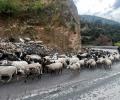
The edited sheep contains no foreign DNA, distinguishing it from transgenic organisms and paving the way for regulatory approval under India's evolving biotech policy framework.

Researchers at the Sher-e-Kashmir University of Agricultural Sciences and Technology have produced India's first gene-edited sheep, marking a historic milestone in the field of animal biotechnology.

Doctors and researchers are increasingly concerned about the potential link between exposure to polluted air during pregnancy and its influence on foetal development, particularly the male reproductive system. While hypospadias, a common congenital abnormality, is multifactorial, endocrine-disrupting chemicals in air pollution are being investigated for their role. Experts call for more research and advise expectant mothers on preventive measures.

'I was enjoying having a family. It was new to me. Having kids. I was focusing on my personal life.' 'However big my career milestones might be, my greatest milestone was to have children and a family.'
A new study suggests a blood test called 'VeloCD' can predict the trajectory of an illness and how well a patient might respond to treatment by measuring key markers in the blood.

India's top track and field athletes will compete in Ranchi for a chance to represent the country at the 2026 Commonwealth Games in Glasgow. The event marks the first time the Athletics Federation of India will conduct SRY Gene Tests at the national level to ensure fair competition in the women's category. The meet will also serve as trials for the inaugural Asian U23 Championships.

Spider-Man: Brand New Day's seemingly underwhelming post-credit scene may actually be quietly setting up Peter Parker's biggest MCU adventure yet.

'Control your A, B, C and D.' 'A is A1C, keep your A1C below 7 per cent.' 'B is blood pressure, so keep your blood pressure at 130/ 80 or at least below 140/ 90.' 'C is cholesterol. The bad cholesterol is the LDL cholesterol, and it should be kept below 100, preferably below 70 or 50.' 'D is discipline like diet, exercise, sleep, no smoking, etc.' 'People with diabetes who follow A, B, C and D can live up to even 100 years of age without any complications.'
Scientists at IIT Mandi have identified the cellular signature of anaesthesia in plants, a discovery that challenges conventional understanding of consciousness. Their research shows plants respond to anaesthetics in a synchronised manner, reorganising cellular nuclei despite lacking a brain or nervous system, suggesting a more sentient nature than previously believed and resonating with ancient Indian philosophical thought.

A new study suggests the mechanical load from the constant beating of the heart may suppress cancer cell growth, offering insights into why heart cancer is rare. Researchers found that cellular pathways in heart tissues alter gene regulation in cancer cells, preventing proliferation.

The National Senior Athletics Federation Competition witnessed a national record being broken twice in the men's 100m race, along with other impressive performances in long jump and 10,000m races.
The national record in the men's 100m race was broken twice within minutes at the National Senior Athletics Federation Competition. Ancy Sojan won the women's long jump with a meet record, and Seema achieved the Commonwealth Games qualification mark in the women's discus throw.
