
Two India-bound LPG tankers have crossed the Strait of Hormuz amid heightened tensions in the region, while an India-flagged vessel sank after being hit near the strategic shipping corridor.

An Indian-flagged LPG vessel successfully transited the Strait of Hormuz, reducing the number of Indian ships stranded in the Persian Gulf. India is in talks with Iran to ensure safe passage for its tankers, and Indian refiners continue to purchase crude oil and LPG from Iran despite regional tensions.

A tanker carrying liquefied petroleum gas (LPG) for India has successfully navigated the Strait of Hormuz and is en route to Visakhapatnam, India, carrying enough cargo to meet half a day's requirement for the country.

Two more Indian-flagged LPG tankers have begun their journey from the Persian Gulf, navigating the Strait of Hormuz amidst regional conflict, following disruptions caused by recent tensions in the Middle East.

Two more Indian-flagged LPG tankers have safely navigated the Strait of Hormuz, ensuring continued cooking gas supply to India amidst regional conflict. These tankers are expected to reach Indian shores soon, following the successful transit of previous vessels.

A vessel carrying 20,000 metric tonnes of Liquefied Petroleum Gas (LPG) arrived at Deendayal Port Authority in Kandla, Gujarat, after crossing the Strait of Hormuz amid the West Asia crisis.
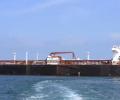
Despite ongoing tensions in West Asia, the successful arrival of the LPG carrier 'Nanda Devi' in Gujarat ensures a steady supply of liquefied petroleum gas to India, highlighting the country's efforts to secure its energy needs.

Police in Hoshiarpur have arrested two men for allegedly stealing LPG from tankers and illegally selling it. The suspects were caught in Dasuya during a raid where they were transferring LPG into domestic cylinders.

A deadly collision involving a gas tanker and multiple vehicles turned a stretch of the Jaipur-Ajmer highway here into an inferno on Friday morning, killing seven people, injuring more than 35 and engulfing over 30 vehicles in flames as thick black smoke filled the sky.

A senior government official confirms that Indian vessels do not require permission to navigate the Strait of Hormuz, despite regional tensions. Several Indian ships, including LPG tankers, have safely crossed the strait, ensuring continued supply of essential commodities to India.

An India-flagged LPG tanker, Jag Vikram, has successfully crossed the Strait of Hormuz following a temporary ceasefire between the United States and Iran, marking a significant development for India's energy security.

The explosions and flames were visible and audible from several kilometers away and scrap of the exploded cylinders were found metres away.

An India-flagged vessel carrying 15,400 tonnes of liquefied petroleum gas (LPG) successfully crossed the Strait of Hormuz and arrived at Jawaharlal Nehru Port Authority (JNPA), demonstrating the resilience of maritime operations amid geopolitical tensions in West Asia.

The escalating conflict in West Asia has resulted in 19 ships carrying essential energy resources for India being stranded in the Strait of Hormuz, raising concerns about potential disruptions to the country's energy supply.

Indian-flagged vessels are navigating the Strait of Hormuz safely despite ongoing tensions in the region, ensuring the continued flow of vital energy supplies to India.

The vessels are carrying around 92,600 metric tonnes of LPG and have 33 and 27 Indian seafarers onboard, respectively. Visuals showed Pine Gas crossing the critical chokepoint.

Following a Memorandum of Understanding between the US and Iran to resolve the West Asia conflict, eleven India-bound vessels have successfully transited the Strait of Hormuz. This development signals a positive shift for maritime trade, with more Indian-flagged ships expected to pass through the crucial waterway soon.

A US-sanctioned tanker carrying Iranian crude oil is heading to India, marking the resumption of oil imports from Iran after seven years.
The Indian government has refuted reports suggesting a deal with Iran involving the release of seized oil tankers in exchange for safe passage of Indian vessels through the Strait of Hormuz.

India has refuted claims of payment issues hindering crude oil imports from Iran, clarifying that refiners have the flexibility to source oil from various global suppliers. The Ministry of Petroleum and Natural Gas addressed reports of a tanker rerouting to China, emphasising standard industry practices and secured oil requirements.

India significantly increased its crude oil imports from Russia and the United Arab Emirates in June, securing supplies as the Strait of Hormuz began to reopen, with Russian barrels remaining attractive due to discounts and UAE supplies offsetting earlier uncertainties.

India on Friday launched a highly coordinated, priority operation to safely guide 13 Indian-flagged commercial vessels out of the volatile Strait of Hormuz, the ministry of ports, shipping, and waterways announced on Friday.
An Indian-flagged crude oil tanker, Jag Laadki, safely sailed from the UAE's Fujairah port despite an attack on the terminal and is scheduled to reach India. The Indian government is working to ensure the safe passage of remaining Indian-flagged vessels in the region.

Let us start with ourselves. If we can reduce our LPG consumption by half, the problem is solved. Reduce wastage. Alter eating styles. Diversify methods of food preparation, suggests Vice Admiral Biswajit Dasgupta (retd).

Amidst the ongoing conflict in West Asia, the Oil Ministry assures citizens that India's LPG supply remains secure, with no need for panic booking of cylinders. The normal delivery cycle of two-and-a-half days is being maintained, and crude oil is being sourced from diverse routes.

Defence Minister Rajnath Singh assures India's energy security amidst West Asia tensions, highlighting naval protection of tankers and readiness to counter cross-border terrorism.

President Trump asserts the US military has decimated Iran's forces and no longer requires assistance from NATO allies to secure the Strait of Hormuz, despite earlier requests for support.

Hundreds of Indian seafarers are stranded on vessels carrying crude oil, LPG, and LNG in the Persian Gulf due to the ongoing conflict in the Middle East, causing disruptions to India's energy supplies.
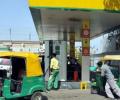
The Indian government has revised its natural gas allocation priorities, placing LPG production alongside CNG and piped cooking gas at the top, due to disruptions in imported gas supplies caused by the conflict in West Asia.

Iran's ambassador to India, Mohammad Fathali, has described India as a "reliable and compassionate" partner while asserting Tehran's territorial authority over the Strait of Hormuz amidst ongoing regional tensions.

24 Indian-flagged vessels with 677 Indian seafarers were currently located west of the Strait of Hormuz, and four vessels with 101 Indian seafarers were stationed east of the strategic waterway.

'There is no shortage of fuel whatsoever.' 'India is stock surplus as far as petrol and diesel are concerned.'

An Indian-flagged crude tanker safely departed from the UAE's Fujairah after loading oil, despite an attack on the oil terminal. The Indian government is closely monitoring the situation in West Asia to ensure stable fuel supplies and maritime safety.

Two Indian ships carrying liquified petroleum gas (LPG) from the Gulf countries crossed the Strait of Hormuz early on Saturday morning, raising the number of Indian vessels safely passing through the war-hit, narrow shipping lane to three.
Delhi should keep all its options open in what is essentially a transitional period in the geopolitics of energy rather than remain a gatekeeper serving Trump's 'America First', suggests Ambasssador M K Bhadrakumar.
A convoy of India-bound ships carrying crude oil and gas was stopped by the Iranian Revolutionary Guard Corps (IRGC) in the Strait of Hormuz, leading to several vessels returning to the Persian Gulf.

The cost of the war is being counted not in the corridors of power in Washington or Tehran, but in Firozabad's darkened furnace rooms, Howrah's idle casting sheds, and a barbershop in Kochi where the wait is suddenly, inexplicably, an hour long, notes Prem Panicker in his must read blog on the Iran War.
India emerged reasonably well from 2025. But now, the oil shock and war-related supply disruptions have again driven funds out of India and significantly weakened the rupee, points out Ajay Chhibber.

When missiles fly in this region, they are never just aimed at military targets.

Despite international crude oil rates crossing USD 100 per barrel due to Middle East tensions, the Indian government plans to maintain current petrol and diesel prices, ensuring uninterrupted fuel supply across the country.
