Because of the reluctance to intervene structurally in the political economy of onion trade, the BJP is paying the price till today and might continue to do so in the forthcoming election to the Delhi assembly.
In order to check the abnormal surge in edible oil prices during Diwali festivities, as many as 18 states are in the process of imposing stock holding limits on oilseeds and edible oils after being empowered by the Centre for doing so. Of the 18 states that are in the process of imposing stock limit on my edible oils apart from UP, include Rajasthan, Gujarat, Maharashtra, Odisha, Kerala, Jharkhand, Chhattisgarh, Andhra Pradesh, Tamil Nadu, Tripura and the Union Territory of Chandigarh. Of the 18, Uttar Pradesh, has already imposed stock limits on edible oils, the Centre was informed with as many as 23 states to discuss ways and means to ensure further easing of edible oil prices.
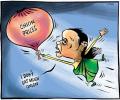
So far, Andhra Pradesh, Kerala, Telangana, Uttar Pradesh and West Bengal governments have taken the imported onions.

Flood victims have been fighting for survival and living in temporary shelters nearby railway tracks with lack of food items. They are yet to get any help from the government, reports M I Khan.
Crops including fruit, vegetables account for 60% of GDP in agriculture, forestry, fishing sector.
President Ram Nath Kovind on Monday said the country's farm production and procurement increased during 2020-21 crop year despite the pandemic and agricultural exports reached a record level of Rs 3 lakh crore during the same period. In his address to the joint sitting of both Houses of Parliament at the start of the Budget session, Kovind said the government is focusing on making the country self-sufficient in edible oils besides making special efforts to promote organic farming, natural farming and crop diversification. "My government is working continuously to empower the farmers and the rural economy of the country... I would like to give maximum credit to the small farmers of the country for this consistent success and strengthening of the agriculture sector," he said.

Maintaining a rapid pace of the vaccination drive and quickly bridging healthcare infrastructure gaps across both urban and rural areas would emerge as the most sustainable stimulus for durable recovery of the Indian economy, says a report by the department of economic affairs.
Sowing had started on a sluggish note in several parts of the country because of delay in the onset of the monsoon but has picked up pace subsequently as the rains progressed and performed appreciably well in August.

India is expected to harvest bumper crop this year based on estimates of higher food grains production in Kharif (summer sown) and hopes of better Rabi (winter) crop with enough water in reservoirs, Finance Minister P Chidambaram said.

The country's gross domestic product (GDP) growth is likely to be 8.8 to 9 per cent in the current financial year, driven by agriculture and industry sectors, Care Ratings said in a report. The country's economy had contracted by 7.3 per cent in fiscal 2020-21. The agency said the outlook for the Indian economy on almost all counts in FY22 would look seemingly better than FY21 on account of the negative base effect.
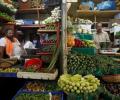
Not just onion, retail prices of potato and other vegetables have also shot up in the national capital on Monday as recent winter rainfall has damaged some of the crops. Milk and butter prices have also gone up. Even cooking oil prices, especially of mustard oil, have increased by Rs 15/kg litre.
Almost 30% or a third of the agriculture ministry's budget, is spent on premium for the PMFBY every year
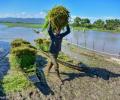
Reports said that in Telangana and Karnataka, excessive rains the past 10 days has threatened the standing green gram and maize crops and could negatively impact yields if the skies don't open up. But in the north-west and central parts of India, the resurgence of monsoon could not have come at a better time as oilseeds and pulses crops would otherwise had weathered if the rains didn't revive in August.

According to the ministry's statement, Tomar thanked the BKU (Kisan) leaders for coming out in support of the Farm Acts and said these laws have been welcomed in various states across the country.
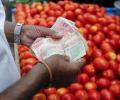
Trade sources believe that tomato supply from Maharashtra has slumped due to incessant rain in the state towards the fag end of the monsoon season, reports Dilip Kumar Jha.
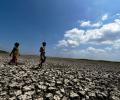
With monsoon rainfall 16% below the long-period average, total sowing area is down by 7% at 56.7 million hectares so far this season.

RBI Governor Shaktikanta Das said that early containment of the pandemic could impart an "upside" to the economic growth outlook.

The Reserve Bank on Friday retained the GDP forecast for the current financial year at 9.5 per cent and flagged global semiconductor shortages, elevated commodity prices and potential global financial market volatility as downside risks to economic growth. In his address after the three-day meeting of the rate-setting panel, RBI Governor Shaktikanta Das said recovery in aggregate demand gathered pace in August-September, and it is reflected in high-frequency indicators, like railway freight traffic; port cargo; cement production; electricity demand; e-way bills; GST and toll collections. "The ebbing of infections, together with improving consumer confidence, has been supporting private consumption," he said, and added the pent-up demand and the festival season should give further fillip to urban demand in the second half of the financial year.

This should augur well for the rabi crops as delayed withdrawal will leave enough moisture in the soil for early sowing.
Experts believe the rising prices may encourage farmers to bring in additional areas for under onion cultivation during the rabi season, which may boost the precious bulb's output, reports Dilip Kumar Jha.

Robust procurement of paddy and wheat since 2017 and prompt payment to farmers have helped the UP government cultivate a positive and pro-farmer perception, defusing possible farm face-off situations.

Amid fears of a third wave of coronavirus pandemic and hardening of retail inflation, the Reserve Bank is likely to maintain status quo on interest rate and watch the developing macroeconomic situation for some more time before taking any decisive action on monetary policy. The RBI is scheduled to announce its bi-monthly monetary policy review on August 6 at the end of the three-day meeting -- August 4-6 -- of the Monetary Policy Committee (MPC). The RBI Governor-headed six-member MPC decides on the key policy rates.
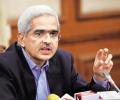
Softening inflation, Das said would make available more policy space to the central bank to address risks to the growth going forward.

However, onion arrivals have been normal with farmers bringing in 1,400 tonnes of the bulb to Lasalgaon on Friday, substantially lower than 2,429 tonnes on Thursday, but there is no dearth of supply to mandis.

Under the PMFBY - introduced in 2016 - farmers have to pay a maximum of 2 per cent of the sum insured for kharif and 1.5 per cent for rabi food and oilseed crops and 5 per cent for commercial/horticultural crops. Eighteen general insurance companies, including five public sector insurance firms, have been empanelled for the scheme's implementation.
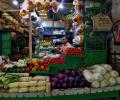
After unseasonal rains, supply disruptions and pandemic-induced woes pushed retail inflation well over the Reserve Bank's comfort zone in 2020, the scenario is likely to stay that way at least in the short term as economic recovery slowly gains foothold. For most part of this year, pricier food items pushed the retail inflation, based on Consumer Price Index (CPI), higher in the range of 6.58-7.61 per cent, except for March when the reading was 5.91 per cent. Experts believe retail inflation is likely to average around 6.3 per cent this fiscal and mostly will remain sticky going forward owing to pick-up in demand across sectors.

Monsoon in August was almost 24 per cent below normal, which was the sixth driest August since 1901. It came on the back of a 7-per cent monsoon shortfall in July.

Onion output dropped to 189.2 lakh tonnes in 2014-15 crop year due to poor rains
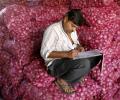
'Onion supply to mandis has declined due to its lower availability.'

Referring to visible indicators of green shoots, the finance minister said the forex reserve is at an all time high and the stock market is upbeat.

Monsoon, the life-line of Indian agriculture, has been deficient by 13 per cent so far, affecting the sowing of kharif crops, particularly coarse cereals and pulses.

Keeping the employment rate from slipping is challenging. To merely keep the employment rate unchanged, the economy has to generate additional jobs. It needs to run to stay where it is, points out Mahesh Vyas.

A likely western disturbance over north India during the weekend might cause heavy to very heavy showers in a few places, including New Delhi.
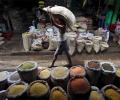
India consumes around 24-25 million tonnes of pulses, but sowing trends show this year production is expected to be lower compared to last year.

The output of pulses and oilseeds in 2012-2013 is likely to fall by 14.61 per cent and 9.62 per cent, respectively, says the first official estimate of kharif season. Experts warn this could trigger a spike in food prices.

'The spirit of cooperation between the Centre and states has been diluted in many ways.' 'The level of consultation which used to be there earlier has reduced significantly.'
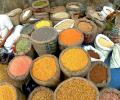
The government on Monday exempted importers of pulses from stock limits, and also relaxed the norms for millers and wholesalers, in view of softening of prices of the key pulses in the country. Now, the stock limits will be applicable only on tur, urad, gram and masoor for a period up to October 31, it said. However, these entities will continue to declare their stocks on the web portal of the Department of Consumer Affairs, it added. A revised order in this regard has been notified.

Agriculturally important UP, MP, Haryana, Maharashtra, and Punjab received 20-30% shortfall in rain

Rising commodity costs, coupled with other marketing-related expenses, could weigh on profitability in the coming quarters.
On a day when several mandis across the country are closed in protest against the recent Centre's decision to impose stringent stock-holding limit on pulses, the government clarified that limits have been defined as retail prices are still higher than last year though there is some moderation in the last few weeks. It said the same logic also holds true for edible oils, the import duties on which was slashed few days back and curbs lifted on import of refined oils. The decision on edible oil and pulses have caused massive resentment among the trading community as it came just ahead of the kharif sowing season, when prices were off their peaks due to multiple steps announced previously. Sources said trading activity in some of the major mandis dealing in pulses such as Sholapur, Amravati and Latur in Maharashtra, Indore and Dewas in Madhya Pradesh along with Kanpur in Uttar Pradesh was impacted as traders went on a flash strike in protest against the decision to impose stock limits.
 © 2026 Rediff.com - Advertise with us - Disclaimer - Privacy Policy - Sitemap - Feedback - About us - Terms of use - Grievances