
No attack on the Indian Army is possible without the help of the Pakistani Army, said Antony, adding that the ties with Islamabad will also be reviewed.
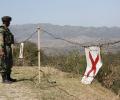
Army sources said the Pakistan Army could not recover the bodies despite repeated attempts for over two days.
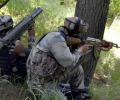
This is the third infiltration attempt that has been foiled by the army in north Kashmir over the past fortnight.

In the current year, army foiled 23 infiltration attempts killing 39 armed intruders along the LoC.
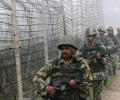
The army on Monday said Pakistan had a "direct role" in the mutilation of a soldier's body along the Line of Control in Machhil sector of Kupwara district on November 22.
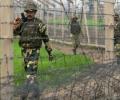
This was the second ceasefire violation by Pakistan in the past 24 hours.

Army chief hints at retaliation for soldiers' beheading by Pakistan.
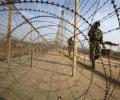
Pakistan's Border Action Team set up the ambush and waited for long for the patrol team, while Pakistani troops attacked two forward posts with rockets and mortar bombs along the Line of Control in the Poonch district of Jammu and Kashmir.
The attackers were forced to retreat to Pakistan-occupied Kashmir without causing any damage on the Indian side

This time army killed 1 terrorists along the Line of Control in Gurez sector.

This is the second such incident of mutilation of the body of an Indian soldier on the LoC since October 29.
Even as India battles the COVID-19 threat on a war footing, it cannot lose sight of the threat building up in Kashmir, cautions Lieutenant General Syed Ata Hasnain (retd).

The attack left two Indian soldiers dead while one BAT member was killed in retaliatory action by Indian troops.
The Uri brigade was given pinpoint intelligence warnings about an impending attack. Yet, the Uri camp was taken by surprise.
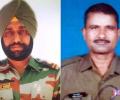
The Army, in its statement, has vowed to give a befitting reply to Pakistan "in the same language".
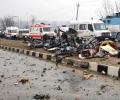
'A resurgent Jaish could be a reflection of the Pakistani security establishment's view that with the region moving ever closer to a post-US Afghanistan, it is time to redirect attention to Kashmir.'

'It was almost as though there was widespread relief that the defence bureaucracy, and the minister, could find someone willing to shoulder the blame for everything that had gone wrong with the services under Antony's charge -- the poor preparedness of the forces, slow acquisitions caused by indecision, cancellation of contracts and whimsical blacklisting of defence contractors over the tiniest suspicion that they may have paid speed money or kickbacks.'
 © 2026 Rediff.com - Investor Information - Advertise with us - Disclaimer - Privacy Policy - Sitemap - Feedback - About us - Terms of use - Grievances