
HUL, ITC, Nestle, Colgate, Dabur, Britannia, Asian Paints, P&G are trading at nearly 48 times. The previous record high was 53 times at the end of March 1994.

Analysts say Tatas could sustain their current pace of growth, provided the group's "cash cows", such as TCS and Tata Motors, continue to deliver.

Sundram Fasteners is planning to grow the Chinese venture further expanding on its product range covering fasteners, bearing housings, machined castings.

Ajay Maken, who has also served as the Speaker of the Delhi Assembly in the past, asked Deora to "leave Congress" before propagating "half-baked facts."

These were the fastest and most consistent wealth creators over the past 5 years.

Investing in stock markets and mutual funds for the long term is the only surefire way of making money, claims Ashutosh Wakhare

'It is critical that the Covid curve does not have a fat tail and the chain is broken quickly.'

You have to make yourself visible and create opportunities for yourself, advises Gaurav Goyal, co-founder, Scalenut.

In its 10th year, the Mahindra Bolero remains the dominant market leader in the sports utility vehicle segment with a market share of 29 per cent.

Thus far in FY21, BSE, NSE have rallied 70 per cent and 71 per cent, respectively.

Billionaire and Mahindra Group chairman Anand Mahindra along with top Silicon Valley investors Naval Ravikant and Balaji Srinivasan are backing space tech start-up Agnikul as part of a new funding round. Chennai-based Agnikul said, on Thursday, that it has raised $11 million in Series A funding round led by Mayfield India. It is the largest funding round for a private Indian space technology company in the country. Existing investors pi Ventures, Speciale Invest and Artha Venture Fund also invested in this round.

In India, as elsewhere, veganism has spawned an industry of plant-based products such as tofu, tempeh, peanut curd, cashew cheese, almond butter, flax eggs, sauerkraut, seitan, mock meats, apple honey, vegan chocolates, nutritional yeast and plant-based milks. There are vegan cafs and restaurants such as About Vegan (Jaipur), Bodhi Greens (Dharamsala), Carrots (Bengaluru), Earthlings (Mumbai) and Elysian Delights (Gurugram), vegan cooking classes, vegan tours, vegan conferences and vegan e-tailers such as vegandukan.com and veganmall.in. "Plant-based milks such as soy milk, almond milk and oat milk have made promising inroads with Indian consumers. "Estimated at $21 million vs the animal-derived dairy industry at $140 billion, plant-based dairy in India is projected to grow at a CAGR of 20.7 per cent to reach $63.9 million by 2024," write Dhruvi Narsaria and Rajyalakshmi in their 2020 report, "Insights on plant-based milk category in India", published by the Good Food Institute India and Ipsos India.

The fast-growing, high-margin branded spices business is turning out to be an interesting growth opportunity, which to an extent was reflected in the Sunrise-ITC deal, with multiple parties from PE to strategic players joining the fray.
The toy industry in India is growing at a compounded annual growth rate (CAGR) of about 20 per cent.

The 14 listed Tata group companies in which Tata Sons holds a stake are paying out a record Rs 35,441 crore to their shareholders by way of dividends and share buyback for FY21.

Aurobindo Pharma, Cadila Healthcare and Serum Institute are readying their vaccine candidates.

Sticking to smaller and mid-cap companies can be more fruitful, suggests Devangshu Datta.

Running a SIP plan for more than six years almost completely eliminates the chances of earning negative returns.

Mobile internet penetration has grown thanks to affordable data costs, investments in content and evolution of monetisation avenues

Flipkart will need $2 bn annual profit to make Walmart investment viable, which will mean yearly revenue of $100 bn

Ten of top 15 companies in 1991 were PSUs; now, there are only six. Their revenue share has also fallen from 86% to 45%

'I hope the trend is sustainable and that economic activity accelerates going forward.'

Despite a massive underperformance at the bourses since the last six months, analysts are turning optimistic on Reliance Industries (RIL). Those at Jefferies, for instance, say that the company is a proxy play for India's consumption growth story. The key catalysts for the stock, according to a Jeffries note, include faster-than-expected market share gain in retail, oil-to-chemicals (O2C) stake sale, recovery in gross refining margins (GRM), potential public listing of Jio and even a possible banking licence going ahead. That apart, analysts feel any tariff hike in Reliance Jio (RJio) - its telecom venture - will also aid performance. With balance sheet adequately de-levered, proceeds from a strategic stake sale in the O2C business will create a sizeable war chest for the company, analysts say.

Unlike the race to buy airwaves by telecom companies, airports by infrastructure companies and city gas networks by energy companies, the race to develop super apps by consumer-facing companies in India has not brushed up against any regulatory issues. Officials at the ministry of electronics and information technology and at other regulators are happy they do not have to meddle in who among the Tata group, Reliance Industries Ltd, Flipkart or Paytm will manage to build an app that sweeps in customers. Unlike separate apps a customer uses on her mobile to order groceries, buy food or airline tickets or just make payments, a super app can perform all these functions.

Ajit Gandhi explains how healthy habits adopted during the pandemic can help us lead a healthier and environment. friendly lifestyle.

A recent report has suggested that future patent expires in the cardiac and anti-diabetes space would form a good opportunity for smaller firms, given their franchise in these segments.

An index P/E of 23 implies that the market is already discounting EPS growth at 20% or more, says Devangshu Datta.

India Inc's cash pile was up 13.8 per cent last fiscal year, thanks to a combination of higher profits in sectors such as IT and fund raising by top companies such a Reliance Industries, Bharti Airtel and Tata Motors, among others.

The US drug regulator raised the issue of significant deviations from the current good manufacturing practice (cGMP) in three of DRRD's plants in a letter issued in November 2015

Dividend pay-out by the group companies grew at a compounded annual rate of 15.7% under Cyrus, sharply up from 2.5% in the previous three years

Terming investment in infrastructure "quintessential" to boost growth, the Economic Survey on Friday said post unlocking of the economy, infra sectors are poised for growth and construction of roads is expected to return to the high pace attained before COVID-19. The infrastructure sector will be the key to overall economic growth and macroeconomic stability, the Survey said emphasising that the year after the crisis (2021-22) will require sustained and calibrated measures to facilitate the process of economic recovery and enable the economy to get back on its long-term growth trajectory. "Basic infrastructure facilities in the country provide the foundation of growth. In the absence of adequate infrastructure, the economy operates at a suboptimal level and remains distant from its potential and frontier growth trajectory.
There are several discussions going around in the e-health sector for consolidation with key players being PharmEasy, 1mg, Medlife and Netmeds. According to reports, Reliance Jio is in talks with Netmeds to acquire the latter.

While gold returned 12 per cent annual gain in 10 years, Nifty didn't exceed 9 per cent.
The Indian animation industry is expected to grow at a CAGR of 25 percent during 2006-10

The slowdown had been brewing since 2016 but was intensified further by several disruptions in the past two years including demonetisation.

Persistent, L&T Technology and TechM named among leading service providers
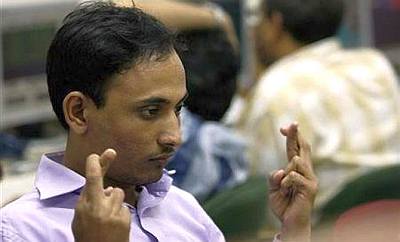
Investors remain cautious ahead of F&O expiry.
These mutual funds from LIC have been steady performers since the last 5 years

The combined share of customs and excise duties, service tax, and value-added tax in India's gross domestic product reached an all-time high of 10.5%.
 © 2026 Rediff.com - Advertise with us - Disclaimer - Privacy Policy - Sitemap - Feedback - About us - Terms of use - Grievances