
Equity fundraising through initial public offerings (IPOs) rose 20 per cent during the financial year 2023-24 (FY24). During the period, 76 Indian corporates raised Rs 61,915 crore through main board IPOs, compared to Rs 52,116 crore mobilised by 37 IPOs in 2022-23, as disclosed by PRIME Database. However, if one excludes the mega Life Insurance Corporation (LIC) IPO, which came out in 2022-23, IPO mobilisation increased by 58 per cent from last year.

Star javelin thrower Neeraj Chopra on Thursday lauded World Athletics' decision to award USD 50,000 to all its gold-medallists in the Paris Olympic Games and said he would like to see such incentive being given in other global competitions as well.
Fundraising via the initial public offering (IPO) route by companies may touch Rs 1 trillion in financial year 2024-25 (FY25), according to a recent note by Pantomath Group - a mid-market investment bank. During the financial year 2023-24 (FY24), 76 companies tapped the markets through mainboard IPOs, Pantomath said, raising nearly Rs 62,862 crore. This is a 21 per cent rise compared to FY23, the note added.

From the Sensex pack, Nestle, Tata Consultancy Services, IndusInd Bank, Asian Paints, Bharti Airtel, Tech Mahindra, UltraTech Cement, Kotak Mahindra Bank and Hindustan Unilever were among the major laggards. Tata Steel, JSW Steel, HCL Technologies, Axis Bank, Power Grid and Mahindra & Mahindra were among the gainers.

Equity benchmark indices Sensex and Nifty hit their all-time high levels on Friday helped by impressive GDP data and fresh foreign fund inflows. Also, a rally in global markets added to the positive momentum in the equity markets. The 30-share BSE Sensex jumped 1,139.04 points to 73,639.34 -- its all-time peak -- in the late afternoon trade.

ITC was the biggest loser from the Sensex pack, sliding 2.04 per cent, followed by Power Grid, Reliance Industries, Larsen & Toubro, Nestle, Kotak Mahindra Bank, Bajaj Finance and JSW Steel. On the other hand, Titan, State Bank of India, Bajaj Finserv, Axis Bank, Tata Steel, Sun Pharma, Tech Mahindra and Bharti Airtel were the gainers.

UltraTech Cement was the biggest gainer in the Sensex pack, rising 2.43 per cent, followed by NTPC, Tata Motors, Infosys, Power Grid, Mahindra & Mahindra, Larsen & Toubro, Maruti, Wipro and SBI were the major gainers. In contrast, Tata Steel, Bharti Airtel, Bajaj Finserv, Axis Bank, Bajaj Finance and JSW Steel were the major laggards.
Among the Sensex firms, Wipro, HCL Technologies, NTPC, Reliance Industries, Infosys, IndusInd Bank, Tech Mahindra and Tata Consultancy Services were the major laggards. IT stocks fell on profit-taking after rallying sharply in the past two sessions. Tata Steel, Titan, Maruti, Larsen & Toubro, ITC and JSW Steel were among the gainers.
Equity benchmark Nifty scaled the psychological milestone of 21,000 in afternoon trade on Friday, and the Sensex touched its all-time intraday high of 69,888.33 after the central bank's decision to keep policy rates unchanged in line with market expectations. The 50-share benchmark index opened on a bullish note, after taking a breather on Thursday, and rose to 21,006.10. As many as 25 stocks were trading in the green, and 24 stocks defied the broader market and were trading in the negative territory.

Among the Sensex firms, JSW Steel, Tata Motors, Tata Steel, Tata Consultancy Services, NTPC, Wipro, HCL Technologies, State Bank of India, Larsen & Toubro, UltraTech Cement, IndusInd Bank, Kotak Mahindra Bank, Power Grid and Reliance Industries Limited were the major laggards. Mahindra & Mahindra and Bajaj Finance were the gainers.
Disappointing quarterly earnings numbers and revenue forecast from IT services company Wipro also weighed on investor sentiments. The 30-share BSE Sensex fell 247.78 points or 0.38 per cent to settle at 65,629.24 points. During the day, it plunged 533.52 points or 0.80 per cent to 65,343.50 points.
Sun Pharma emerged as the biggest gainer from the Sensex pack, climbing 2.09 per cent, followed by ITC, Titan, Bajaj Finance, Nestle, Infosys, L&T, JSW Steel, Reliance Industries and Kotak Mahindra Bank. UltraTech Cement, Maruti, HDFC Bank, Wipro, State Bank of India and NTPC were among the laggards.

From the Sensex pack, Bajaj Finserv, HDFC Bank, Tata Motors, HCL Technologies, Tata Consultancy Services, Axis Bank, Infosys, IndusInd Bank, Tech Mahindra and Maruti were the major laggards. NTPC, Power Grid, Mahindra & Mahindra, JSW Steel, Bajaj Finance, ITC and Reliance Industries were among the gainers.
From the Sensex pack, Infosys, Hindustan Unilever, Reliance Industries, ICICI Bank, Larsen & Toubro, Asian Paints, Nestle, Axis Bank, Wipro and Kotak Mahindra Bank were the major gainers. JSW Steel, State Bank of India, Tata Steel, Bajaj Finserv, UltraTech Cement, IndusInd Bank, Tata Motors and Bajaj Finance were the major laggards.
Titan surged 2.98 per cent, followed by IndusInd Bank, ITC, JSW Steel, Infosys, Tech Mahindra, Tata Consultancy Services and Maruti. Hindustan Unilever, Asian Paints, Bharti Airtel and HDFC Bank were among the laggards.
From the Sensex pack, Jio Financial Services fell the most by 4.99 per cent. Reliance Industries, Power Grid, Larsen & Toubro, JSW Steel, HCL Technologies, NTPC, Tata Steel, Wipro, Tata Consultancy Services and HDFC Bank also declined. IndusInd Bank, Infosys, UltraTech Cement, ICICI Bank, Nestle and Axis Bank were among the gainers.
Among the Sensex firms, HDFC Bank, Bharti Airtel, Infosys, UltraTech Cement, Tata Steel, Wipro, Kotak Mahindra Bank, Reliance Industries, Tech Mahindra and JSW Steel were the major laggards. Power Grid, Titan, Mahindra & Mahindra and NTPC were among the gainers.

Tech Mahindra was the biggest loser in the Sensex pack, slipping 4.59 per cent, followed by Asian Paints, Wipro, Kotak Mahindra Bank, Bajaj Finserv, Infosys, ITC, Mahindra & Mahindra, Hindustan Unilever, IndusInd Bank, Reliance Industries and JSW Steel. In contrast, Larsen & Toubro, Bharti Airtel, Power Grid and Axis Bank were among the gainers.

Axis Bank, Tata Steel, Kotak Mahindra Bank, ICICI Bank, Tata Motors, and Bajaj Finance were among the other major laggards. Tata Consultancy Services, Reliance Industries, UltraTech Cement, Infosys, HCL Technologies, and Tech Mahindra were among the gainers.

From the Sensex pack, Larsen & Toubro, JSW Steel, IndusInd Bank, Power Grid, ITC, Mahindra & Mahindra, NTPC, HDFC Bank, ITC, Reliance Industries and Tata Motors were among the major laggards. Bajaj Finserv, Asian Paints Bajaj Finance, Bharti Airtel and Axis Bank were among the gainers.

Among the Sensex firms, Tech Mahindra, HCL Technologies, Wipro, Infosys, Bajaj Finance, Tata Consultancy Services, Bajaj Finserv and ICICI Bank were the major gainers. Power Grid, Nestle, Asian Paints and Hindustan Unilever were among the laggards.
Among the Sensex firms, HDFC Bank emerged as the biggest loser, falling 4 per cent. JSW Steel, Reliance Industries, UltraTech Cement, Maruti, Tata Steel, Wipro, Tech Mahindra, Bharti Airtel and Larsen & Toubro were the other major laggards. Power Grid, Asian Paints, Sun Pharma, Axis Bank, NTPC, ITC and Infosys were among the gainers.

Gains in IndusInd Bank, HCL Tech, TCS, Tech Mahindra, NTPC, ITC, JSW Steel and Tata Steel helped the barometer scale a fresh high. Axis Bank fell the most by 1.26 per cent, M&M by 0.99 per cent and Hindustan Unilever by 0.67 per cent. Maruti, Bajaj Finserv, Bharti Airtel and HDFC Bank and Infosys also declined.
JSW Steel was the biggest gainer on the Sensex chart, rising 2.68 per cent, followed by Tata Motors, Mahindra & Mahindra, Tata Steel, Titan, ITC, Tech Mahindra, NTPC, Reliance Industries and Larsen & Toubro. In contrast, Bajaj Finance, Maruti, ICICI Bank, Power Grid, Asian Paints and Axis Bank were major laggards.
Sun Pharma, Bajaj Finserv, Tata Consultancy Services, Infosys, Hindustan Unilever, JSW Steel, Wipro, Maruti, HCL Technologies, Tech Mahindra and ICICI Bank were the other major gainers. State Bank of India, Tata Motors, Axis Bank, Kotak Mahindra Bank, Bajaj Finance, Tata Steel, Nestle and HDFC Bank were the laggards.

However there is no clarity whether Ponting will get the support staff of his choice as Shane Watson and James Hopes might not be seen in the dug-out next time around.

Among the Sensex firms, Bajaj Finance jumped the most by 4.64 per cent. Bajaj Finserv, Kotak Mahindra Bank, Asian Paints, UltraTech Cement, ICICI Bank, NTPC, JSW Steel and Tata Steel were among the major gainers. Infosys, Mahindra & Mahindra, Wipro, Tata Consultancy Services, IndusInd Bank and HCL Technologies were the major laggards.

Tata Steel, Tech Mahindra, NTPC, JSW Steel, Power Grid, UltraTech Cement, HCL Technologies and HDFC Bank were among the major gainers. Bharti Airtel, Hindustan Unilever, Axis Bank, Reliance Industries, Kotak Mahindra Bank, ICICI Bank and IndusInd Bank were among the laggards.

Among the Sensex firms, Asian Paints, Tata Steel, HCL Technologies, Nestle, Maruti, JSW Steel, NTPC and Larsen & Toubro were the major laggards. Sun Pharma, Bajaj Finserv, Reliance Industries, State Bank of India and Bharti Airtel were the gainers.

The S&P BSE Midcap and the S&P BSE Smallcap indices have managed to stay afloat in a volatile January that saw the frontline indices hit their respective 52-week high levels and then slip. While the S&P BSE Sensex has lost over 2 per cent thus far in January, the S&P BSE Midcap and the S&P BSE Smallcap indices have gained nearly 2.5 per cent and 4 per cent, respectively during this period.
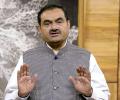
Adani Ports and Special Economic Zone Ltd (APSEZ) on Tuesday announced the acquisition of a 95 per cent stake in Gopalpur Ports in Odisha from Shapoorji Pallonji Group and Orissa Stevedores Ltd at an equity value of Rs 1,349 crore. In Gopalpur Ports, Shapoorji Pallonji Group (SP Group) firm SP Port Maintenance Pvt Ltd has a 56 per cent stake and Orissa Stevedores Ltd (OSL) has a 44 per cent stake. Gopalpur Port is an all-weather deep-water berthing port with a capacity of 20 million tonnes per annum (MTPA) situated in Ganjam district of Odisha.

ICICI Bank, Axis Bank, Infosys, M&M, Tech Mahindra, Tata Steel, SBI and Maruti were also among the gainers. On the other hand, IndusInd, TCS, Titan and Asian Paints declined.

Operating margins have been the primary driver of corporate earnings in India in recent quarters, despite revenue growth suffering from weak consumer demand. Companies across sectors have reported a sharp improvement in earnings before interest, tax, depreciation, and amortisation (Ebitda) margins over the past two years, benefiting from lower commodity and energy prices. Higher margins more than compensated for slower revenue growth, resulting in double-digit growth in net profit for five consecutive quarters.
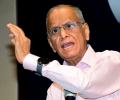
Infosys co-founder N R Narayana Murthy stirred a storm on X when he said young people should work 70 hours a week to level up the country's productivity. In a conversation with former Infosys CFO Mohandas Pai in the inaugural episode of 3one4 Capital's podcast 'The Record,' Murthy said that youngsters should put extra hours at work to compete with leading economies. "India's work productivity is one of the lowest in the world. Unless we improve our work productivity...we will not be able to compete with those countries that have made tremendous progress," he said, comparing India with China, Japan and Germany.

Shares of paint companies faced pressure, falling up to 5 per cent on the BSE in Monday's (February 26) intraday trade amid concerns that Grasim Industries' entry into the paint sector will intensify the competition. Asian Paints reached a 10-month low of Rs 2,850, slipping nearly 5 per cent after brokerage firm CLSA downgraded the stock following the Birla Opus launch. The paint maker's stock traded at its lowest level since April 28, 2023.
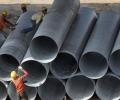
Industrial metals (ferrous and non-ferrous) suffered great volatility once the Ukraine War began in February 2022. First, there was a sharp price rise due to fears of supply disruption, followed by weak global demand. China's weakness and rolling lockdowns have hit production and demand.

Benchmark stock indices Sensex and Nifty fell for the third day running on Friday due to weak trends in global markets and soaring crude oil prices. Foreign fund outflows also weighed on investor sentiments amid strengthening US bond yields which are nearing 5 per cent for the first time since 2007. The 30-share BSE Sensex fell 231.62 points or 0.35 per cent to settle at 65,397.62.

Future Gaming of lottery king Santiago Martin was the biggest purchaser of electoral bonds at Rs 1,368 crore, of which nearly 37 percent went to the DMK.

Reputations do go for a toss in the T20 format, but Delhi Capitals haven't been able to get past Chennai Super Kings in their last four meetings, and the margins of defeat -- 91, 27 and 77 runs respectively -- does paint a sorry picture.

Foreign banks and private credit funds are queuing up to fund acquisitions by Indian companies who are buying out their local rivals. The Adani Group, Torrent Group, and the Hindujas have approached several foreign banks and private equity (PE) firms to fund their acquisitions. Global investors have about $2 trillion of funds to invest, and about $100 to $150 billion is set aside for India, according to an estimate by JP Morgan.
