At Rs 20,000 crore (Rs 200 billion), e-commerce has seen one of the fastest rates of growth in investment activity this year.

Internet entrepreneurs are the next big thing in India.

Kerala's tax authorities are also reviewing other e-commerce companies for similar discrepancies, and might fine more defaulters.

The spurt in online sales during the festival season is expected.

While New Jersey, US-based OrbitBeyond leads a consortium of subcontractors who have designed and developed hardware for deep space missions, Bengaluru-based Team Indus is leading OrbitBeyond's lander engineering, reports T E Narasimhan.

For Motorola, there is one mega distributor, Flipkart.

Among other things, taking note of complaints against several Chinese e-commerce players such as Shein, Ali Express etc for sending shipments as 'gifts' to customers in India and avoiding duties, the government has now mandated that all e-commerce sites and apps must have a registered business entity. This will be the importer on record and subject to customs rules, report Subhayan Chakraborty, Neha Alawadhi and Karan Choudhury.

From helping their employees infected with the Covid-19 virus to vaccinating them or supporting the families of those who might have succumbed to the infection, several companies in India are trying to do their bit in this difficult time. Some have even widened their support net to include all stakeholders as well as an extended community. To the families of the employees it lost to Covid-19, Noida-headquartered IT services and consulting company HCL Technologies is, for instance, paying salary for a year, medical insurance for three years and extending support for their children's education for five years.

The Smartron t.phone P review.

The market, however, reacted negatively to SpiceJet's announcement and the company's stock dropped by 0.87 per cent as analysts became wary of diversion into a new business during a high fuel price environment.

Motorola launches Moto Turbo for Rs 41,999.

Internet.org is a Facebook-led initiative

Narayanan's strategy of building exclusive brands for Myntra has been a success as well, and more such brands will be added to the portal's offering in the future

Digital commerce operators advertising on global social media, which earlier did not pay Google tax on their operations in Jammu & Kashmir, may now have to cough it up at 6 per cent.

After six weeks into the second half, the faltering offline channel, which traditionally rakes in 60 per cent of sales for the market, has become the biggest hurdle towards the path of revival.

Has Asus cooked the right recipe to dethrone Xiaomi Redmi Note 5 Pro as India's best selling budget phone?

On Tuesday, while several consumers took to social media to share their grievances about the Snapdeal site crash, many others said they visited the website to either compare prices or for window shopping.

Amazon's fulfilment centres, which store products of hundreds of vendors selling on the American online major's platform, are being cited by Karnataka state government authorities as a primary concern in an ongoing tax dispute.
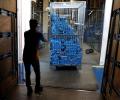
The companies have asked for digital curfew passes as e-retailers feel if more lockdowns are ordered after April 14, it is extremely difficult and time-consuming process to acquire the passes from local authorities.

Essentially, this is BlackBerry's cheapest device that runs its latest operating system, BlackBerry 10.

Unlike last year, investors turn cautious on e-commerce sector.

In power, Mamata Banerjee has tried to bury the ghost of the past, but it might still be work-in-progress. Big-ticket and eye-grabbing (in terms of investment size) projects are still few and far between, reports Ishita Ayan Dutt.

Vikramank Singh looks back at the year gone by!

'I can finally tell my father that he need not go fix tiles in other people's homes.'

Bringing in people with large corporate experience also helps in bringing in world class processes in quality and compliance
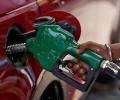
While consumers feel that petrol pinches directly, diesel hurts indirectly, as it is an input in almost all the goods and services we use.

Mukesh Ambani is stringing in new partnerships within the Reliance ecosystem with the best in global business -- from Facebook, Google and Microsoft to umpteen sovereign wealth funds and a soon-to-be-declared strategic partner in a big global retailer, notes Shailesh Dobhal.

With aggressive brand-building initiatives, the companies' advertising budgets ahead of Diwali is understood to have seen a 15% spike

In India, he has already made investments in both his personal capacity and through DST Global, his venture firm.

For Dosanjh to stand by his faith, retain the turban and beard, and yet not trivialise himself in the roles he has essayed, is really his biggest achievement, observes Sandeep Goyal.

In India, where it is tougher to do business, a start-up gets established by the Series-B stage, and it gets expensive for investors.

Four websites, including Flipkart, may be blocked if the govt feels they're maintaining objectionable content.

The chief executive of the e-commerce giant is making his second visit to India -- the first since Amazon entered this market.

Over 10 Indian start-ups with total valuations of $84 billion (some are planning fresh fund-raising) are bracing to launch initial public offerings (IPOs) in the next 36 months. While the size of their IPOs is under discussion, estimates are that they would together raise a minimum of over $8-10 billion during the initial listing.

India's tech start-ups are following Silicon Valley's lead and embracing the "fail fast" culture.

Start-ups such as Max Wholesale, Jumbotail and ShopKirana are helping them place orders, maintain inventory, optimise delivery routes and make payments, all digitally.

After Sanju's success, Ranbir has been charging Rs 6 crore to Rs 8 crore per brand per year.

The company currently controls over 30 per cent of the online smartphone market in the country, but says that isn't enough.

The Powerwall 'will be great for India where there is a scarcity of electricity. The sun is there pretty much all day and there is no real good way to store its energy,' Tesla CIO Jay Vijayan tells Ritu Jha/Rediff.com.

Taizo Son, SoftBank founder Masayoshi Son's youngest brother, is also planning to enter India.
