.jpg)
The Indian Consulate in Guangzhou has organised a face to face interaction with Chinese investors to make a case for them to step up investments in India, a press release from the Consulate said.

These images from across the globe tell us how crazy the world out there is!

10 images from around the world that show we live in a mad, mad world.

This week's collection of unbelievably unusual images from across the world.

Here's a glimpse of all that happened around the world last week, in 10 images.

To rise quickly in the PLA's hierarchy, you need to be close to Xi Jinping. Retired RA&W officer Jayadeva Ranade on the changes in China's military leadership.

Samdong Rimpoche's visit to China materialised against the backdrop of strained India-China relations consequent to the face-off between Indian and Chinese troops at Doklam, says former RAW officer Jayadeva Ranade.

Fourteen photos from events that defined the world in the week gone by.

A round-up of our favourite photographs of the week gone by.

India and China have not ruled out a Modi-Xi meeting during the summit.

If prices remain low the next decade might well see global trade stagnate.

Chinese President Xi Jinping has suggested five thrust areas to improve relations with India. It is likely all these issues, in addition to the points raised by Xi at Fortaleza, will be part of the joint declaration at the end of his visit to India, says Srikanth Kondapalli.
Premier Li Keqiang highlighted his government's performance in the last one year and the challenges ahead in various fields. Compared to other reports by his predecessors, Li spoke more frankly about the mounting challenges faced by the country. Srikanth Kondapalli on the two recent Chinese parliament sessions.

Here's your weekly digest of the most weird, true and funny news from the across the world.
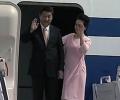
'As the first leaders of their respective countries born after Indian Independence and the Chinese Liberation, Modi and Xi would be expected to have the ability to overcome the traditional mindsets and the hierarchical nature of their official/bureaucratic establishments,' say Alka Acharya and Jabin T Jacob.
 © 2026 Rediff.com - Investor Information - Advertise with us - Disclaimer - Privacy Policy - Sitemap - Feedback - About us - Terms of use - Grievances