
'Every story I've told so far has left something with me. And I can't wait to find out what the next one does.'
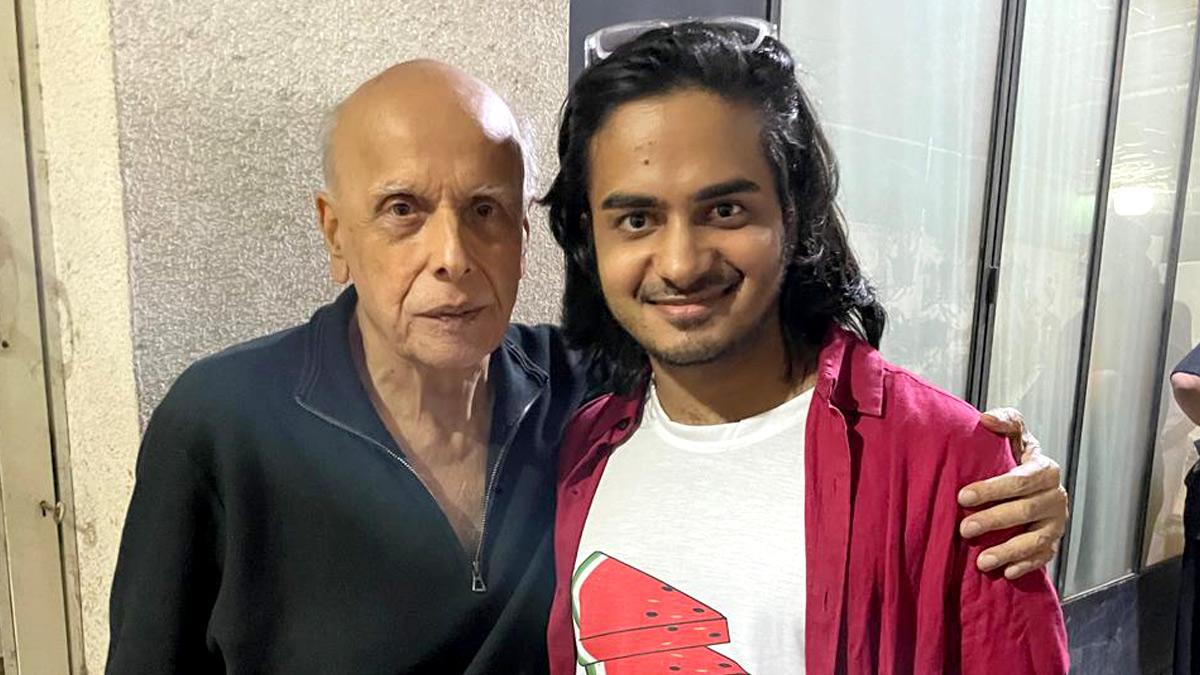
Faraaz actor Sachin Lalwani was recently seen in Suhrita Das' Tu Meri Poori Kahani, presented by Mahesh Bhatt.
Sachin plays Lucky, a struggling actor, and he says, "That role felt personal in many ways."
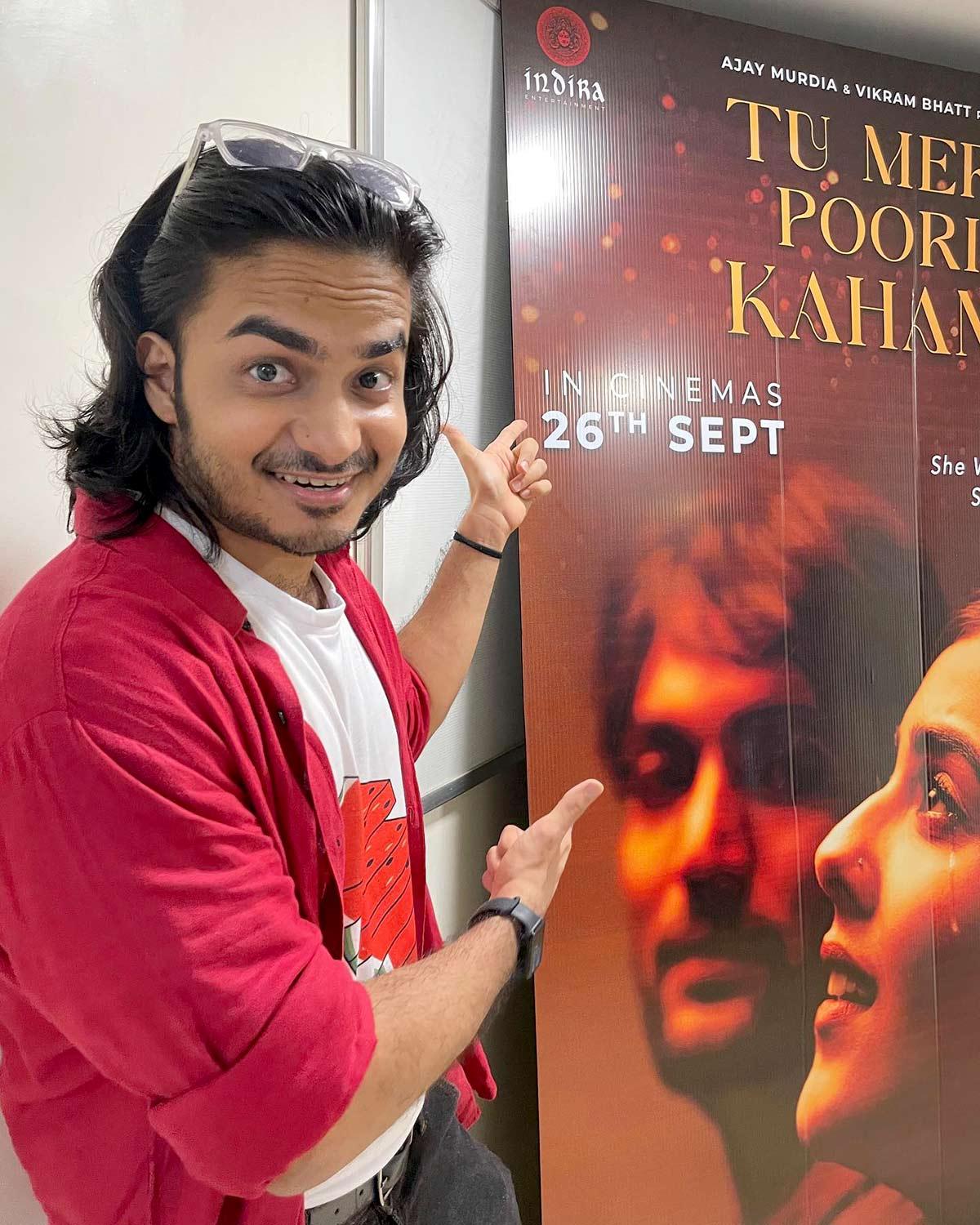
Lucky is the best friend of the lead character Rohan, played by Arhaan Pateel.
"He's a struggling actor, full of energy, a bit chaotic, and always trying to make things happen. At this stage of my own career, playing someone like that felt very real -- like art imitating life," Sachin says.
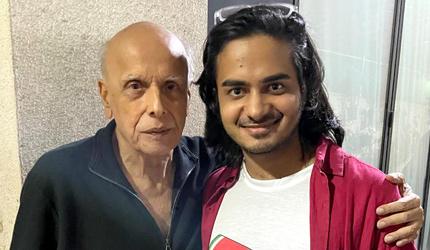
Working with Bhattsaab was nothing short of a masterclass, he felt.
"The biggest thing I took away from the experience was that acting isn't about just your shot. It's about staying present, giving, and feeding off each other's energy.
"One day, we were shooting a scene between Arhaan and me. My shots were done, and they were filming Arhaan's close-ups. Bhattsaab looked at me and said, 'Sachin, even when you're not on camera, it's your job to give Arhaan the best cues possible so his performance rocks.'
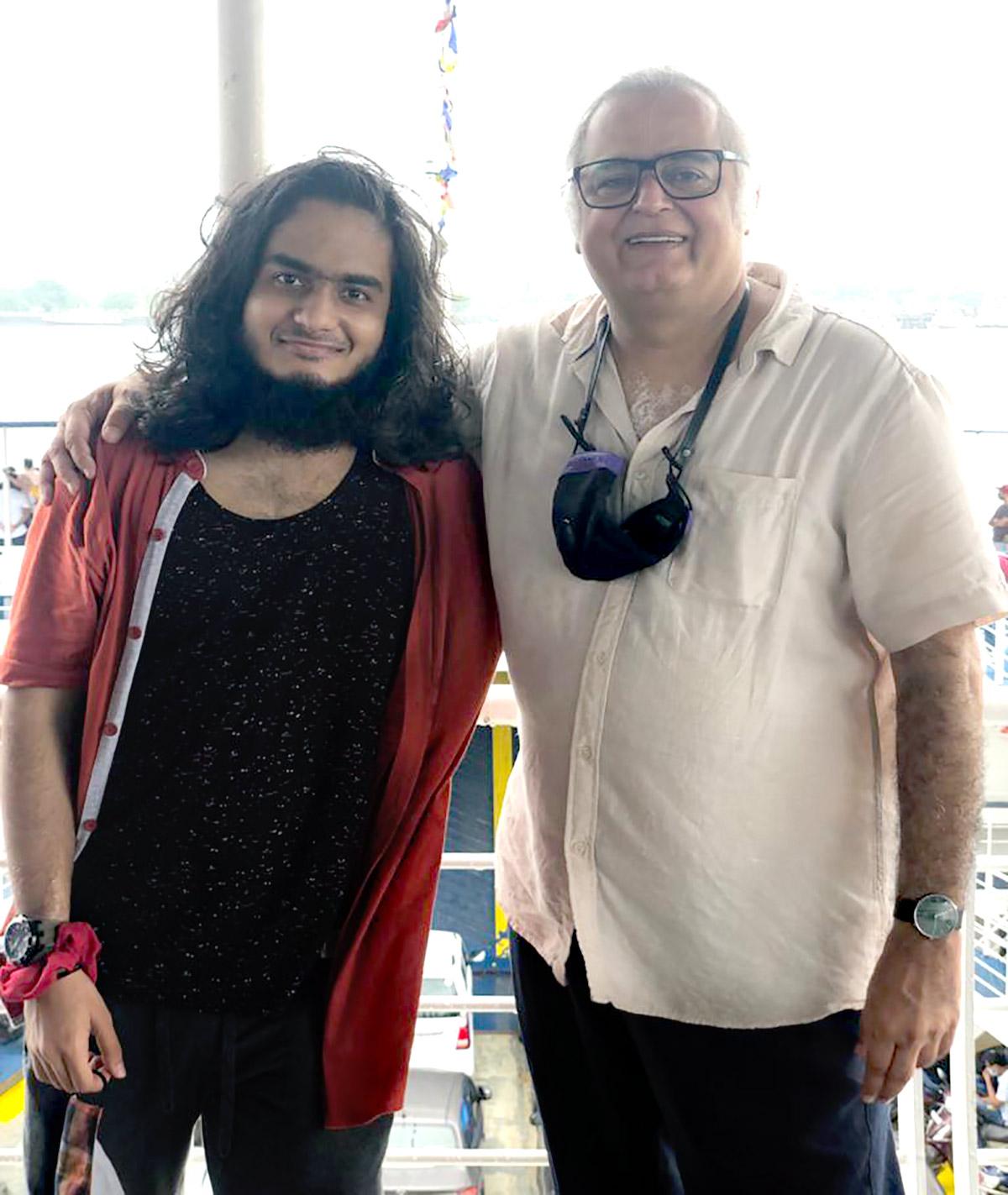
"I first met Bhattsaab at a screening of Faraaz, where I had a very different look. I introduced myself and told him which character I played. He smiled and said, 'I know who you are. The moment I saw you, I wanted to kill you.'
Since Sachin played a brutal terrorist in that film, that felt like the best compliment he ever got.
Shooting Tu Meri Poori Kahani under Suhrita Das' direction was another learning for him.
It was a young set, and her experience and clarity made everyone feel anchored. Coming from a writing background, her input helped them grasp the subtext and the emotional tone of the script.
Before this, Sachin's 'training ground' was Hansal Mehta's Faraaz.
"Hansal sir pushed us to collaborate and improvise. He encouraged us to internalise the soul of the scene rather than just deliver lines. He'd explain the beats but always left space for us to discover our own rhythm," Sachin says.
"I worked closely with Aditya Rawal during rehearsals. We had different prep methods -- he would meditate and go inward before a shot, while I would stay in character and interact with everyone around me.
"Zahan Kapoor was another joy to work with. I remember watching him in this one scene where his character recognises Aditya's character -- it was powerful! It doesn't surprise me that he's earned acclaim in Black Warrant too."
But Faraaz didn't accelerate his career.
"As a non-star kid, it's tough," he says. "You think critical acclaim will lead to offers, but the truth is, you have to keep pushing, meeting people, showing up, and staying prepared. That's why I turned to theatre."
Sachin has done about 20 improv shows and 30 scripted performances.
"Theatre has kept me sharp, whether its voice, movement, or learning to adapt to a live audience. It's also where I've fallen in love with the craft all over again," he says.
Sachin's journey started early.
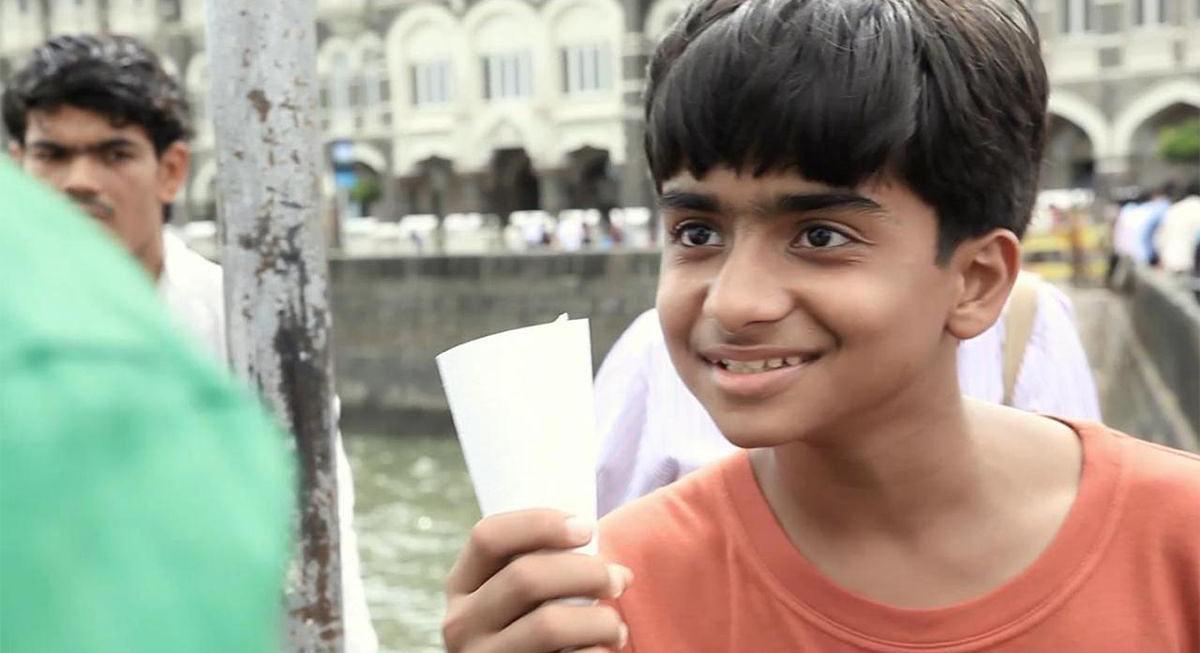
"I was eight when I saw my entire family glued to Kyunki Saas Bhi Kabhi Bahu Thi. I was fascinated by how one screen could command that much attention. I told my parents, 'Mujhe TV par aana hai.' Not long after, I was cast as a young Imran Khan in Once Upon Ay Time In Mumbai Dobaara."
Sachin also had a scene opposite Akshay Kumar.
"I remember telling him I wanted to be an actor when I grew up. He said something that's stayed with me: 'To be a good actor, be a good person. Do one good thing a day.' That's something I try to live by. "Acting isn't just about what you bring on screen -- it's about who you are when no one's watching."
Sachin lists his inspirations: Aamir Khan's versatility, Ranbir Kapoor's honesty, Boman Irani's incredible range, and Naseeruddin Shah's sheer intensity, especially in the play, The Father.
"I saw that play when my grandmother was going through something similar, and it just broke me. And, of course, Irrfan Khan -- his silence spoke louder than most actors' words.
"Every story I've told so far has left something with me. And I can't wait to find out what the next one does."
Photographs curated by Satish Bodas/Rediff










 © 2025