
64 years after the Panshet Dam burst claimed 1,000 lives, the tragedy stands as both a haunting memory and a vital lesson in engineering caution.
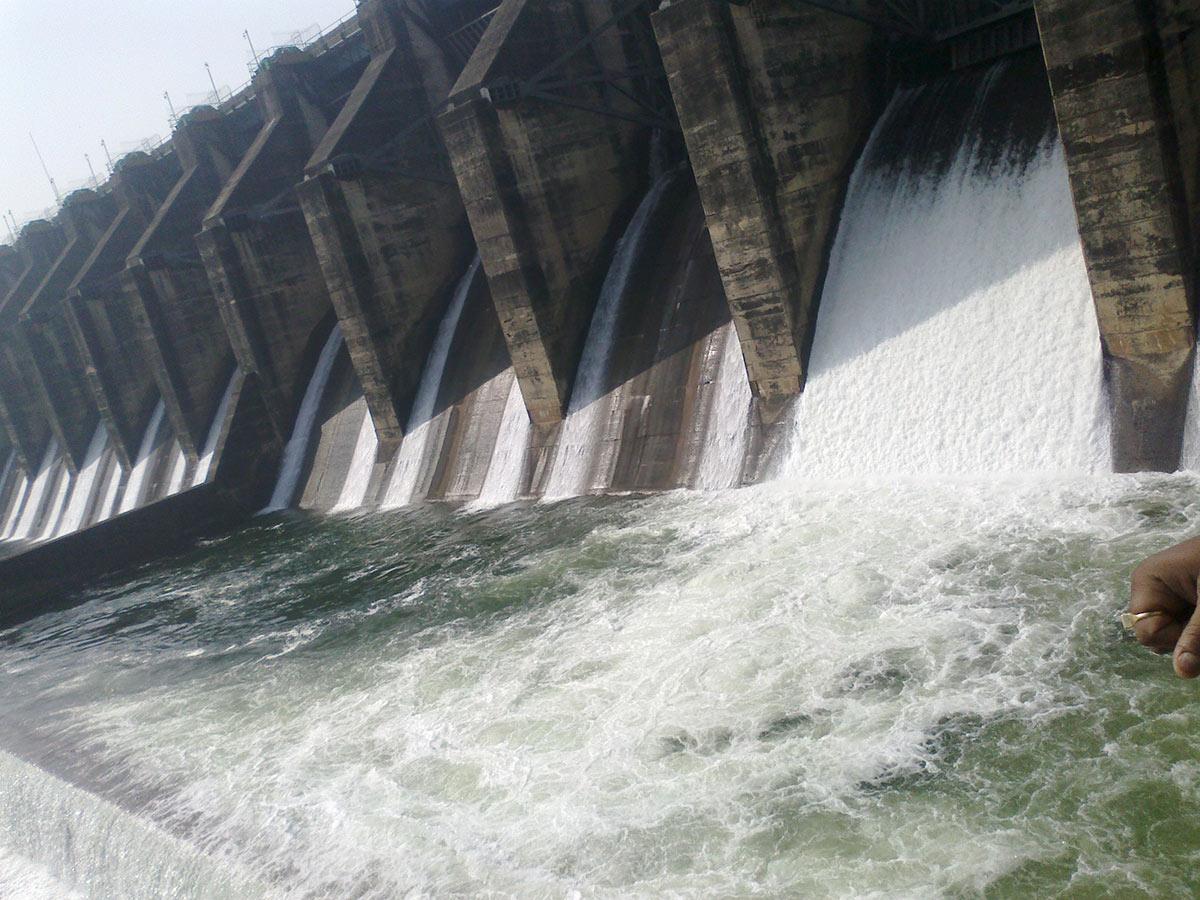
On a grim monsoon morning on July 12, 1961, Pune woke up to chaos -- a monstrous wall of water came rushing down the hills, swallowing homes, lives, and the very soul of a quiet city.
In mere minutes, the Panshet dam breach left an indelible scar: Over 1,000 people perished, thousands more lost everything.
What was the Panshet Dam Tragedy?
In the early hours of July 12, 1961, the bustling city of Pune, then largely a laid-back pensioners' paradise, was slammed by a catastrophic flood.
The newly constructed Panshet dam, just about 50 km away in the Sahyadris, burst after days of relentless rain. Its waters, meant to secure Pune's drinking and irrigation needs, instead thundered down into the Mutha river and into Pune city at terrifying speed.
Within minutes, entire neighbourhoods like Deccan Gymkhana, Shaniwar Peth, Narayan Peth and Sadashiv Peth were under water.
The deluge wiped out around 100,000 homes, displaced more than half of Pune's population at the time, and tragically claimed over 1,000 lives.
It remains one of independent India's deadliest urban disasters.
How did it happen -- and why?
The Panshet dam was intended to be a modern marvel. Constructed by the Bombay state irrigation department (before Maharashtra was formed), it was an earth-cum-masonry dam on the Ambi river, designed to store water for Pune and support irrigation. But the haste to complete the dam meant serious compromises.
According to archival reports and engineers who revisited the case, the dam's core masonry outlet conduit was yet to be fully lined with concrete. Instead, only a temporary steel conduit had been put in place to let water out.
Continuous heavy rainfall filled the reservoir rapidly. As pressure built up, water began seeping through the earthen dam body, exploiting the weak, unfinished conduit.
By July 11, leaks were so alarming that engineers rushed from Pune to inspect the site.
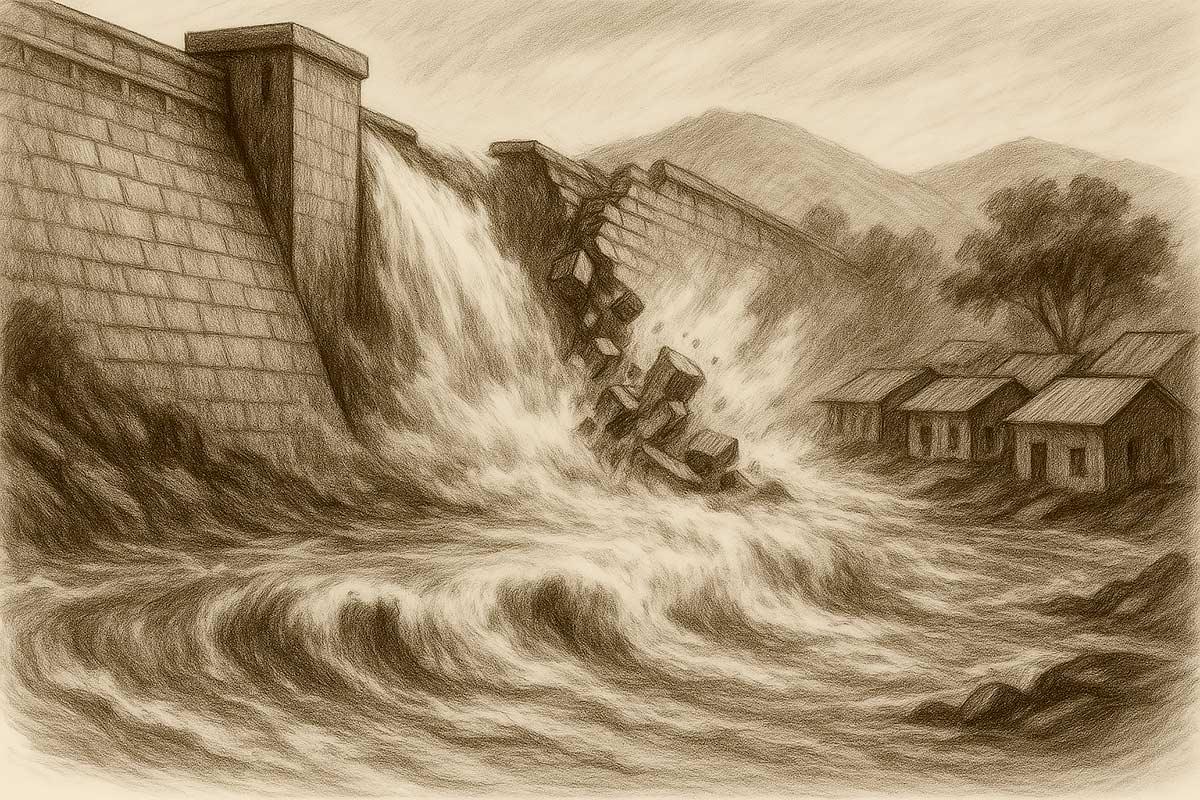
There's a telling detail from the Sakaal Times archive: Attempts to strengthen the conduit with sandbags and boulders went on through the night. But by 2.30 am on July 12, the inevitable happened -- the dam wall gave way with a deafening roar.
How Pune learnt of doom in the dark
What followed was near-apocalyptic. The huge volume of water raced downstream, reaching the Khadakwasla dam -- another crucial reservoir for Pune -- just in time to overwhelm it too.
Khadakwasla's gates were simply no match for the surge. They failed, releasing even more water into the Mutha river. By 7 am on July 12, 1961, Pune was submerged.
There are heart-stopping stories from that morning. Survivors recalled to Indie Journal how people awoke to water lapping at their beds. Some barely had time to grab their children and run. Old-timers in Pune still recount neighbours who climbed trees or the tops of temples, only to see loved ones swept away.
Yet, in an incredible testament to Pune's spirit, many citizens rescued strangers. According to DNA's retrospective, people formed human chains, pulled out the elderly, and opened doors to entire displaced families.
The toll -- and the long shadow
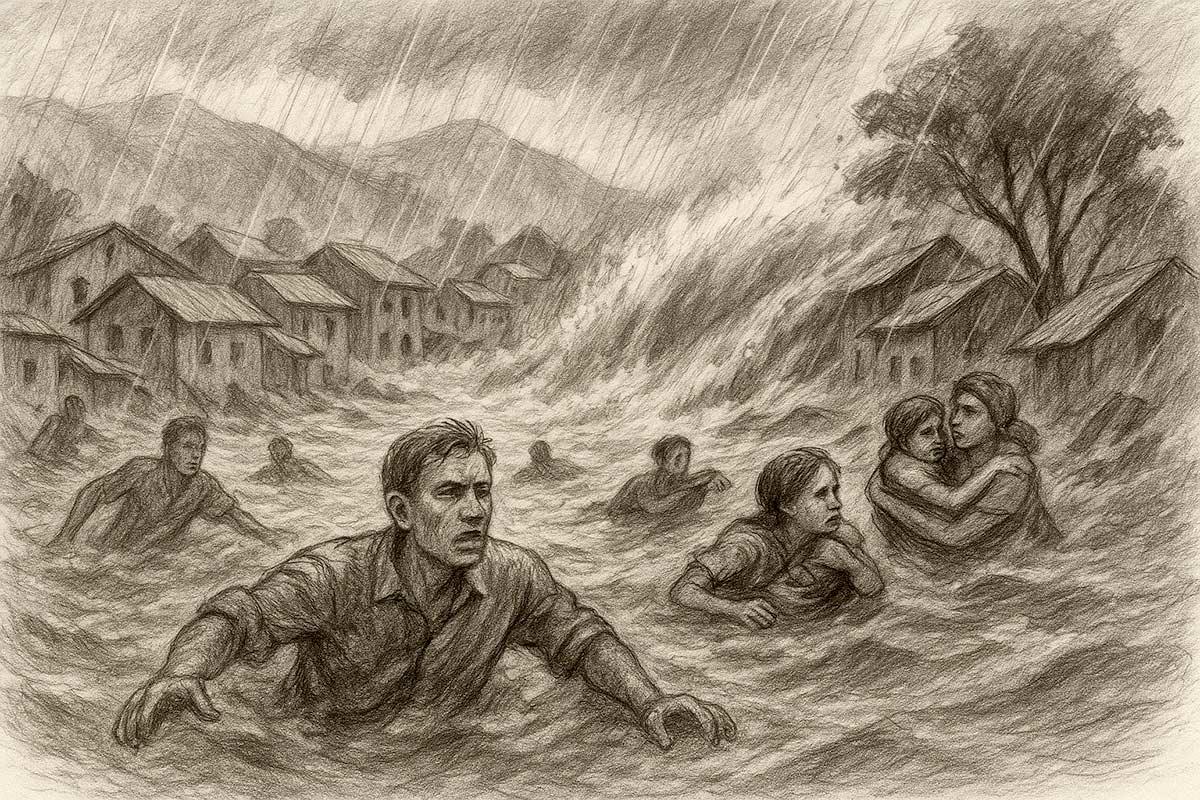
The final human toll remains grim: More than 1,000 people dead, although unofficial figures hint at even higher casualties. Over half the city's homes were damaged or destroyed. The old wadas (residential colonies) in the Peth areas, with their wooden beams and mud walls, crumbled like matchboxes.
Economically, the city took years to recover. Sakaal Times wrote that Pune's industrial boom, ironically, accelerated after the floods. As the city rebuilt, new housing colonies, wider roads, and modern sewage systems emerged, setting Pune on the path to becoming a major industrial and IT hub.
Small details that show the scale -- and irony
There are chilling and fascinating bits from old accounts. In the rush to evacuate, people left pots boiling on stoves. Cows were found clinging to floating wooden doors. The Deccan Gymkhana sports ground, today packed with joggers, turned into a vast pond littered with debris.
Perhaps most ironic was that the Panshet dam, after breaching, still proved vital. Once reconstructed (with properly lined conduits), it became part of a robust network of dams -- Panshet, Varasgaon, Temghar and Khadakwasla -- that today secure Pune's water supply.
What changed after Panshet?
Panshet was a wake-up call that echoed across India. Dam engineering protocols underwent sweeping reviews. As per a Hindustan Times report, the irrigation department mandated more rigorous safety norms, regular inspections, and crisis protocols.
Pune itself developed advanced flood management plans, including alarms and drainage improvements.
In a poignant twist, today's Pune owes its careful urban planning -- including wider streets, zoning laws, and modern bridges -- partly to the horror unleashed by Panshet.
A memory still alive
Even after six decades, older Punekars instinctively look at the monsoon sky with a hint of dread.
Every July, local papers retell the story. Small memorials dot the Peth areas, honouring unnamed victims. And every engineer working on Maharashtra's dams studies the case of Panshet.
The story of July 12, 1961 is not just Pune's tragedy. The Panshet dam burst tragedy stands as a universal reminder of what happens when human ambition races ahead of caution -- and how resilience and community spirit can help cities rise from the deepest floods.
How the disaster changed dam safety forever
The scale of the Panshet catastrophe forced a complete overhaul of dam safety practices, not just in Maharashtra but across India. According to reports in the Hindustan Times and DNA, the state government set up stricter guidelines for dam design, construction and post-construction inspections.
Some of the major steps taken included:
Mandatory concrete lining of conduits and spillways: No new dam would be allowed to operate without fully lined core structures, a lesson painfully learned from the unfinished masonry at Panshet.
Regular health monitoring: All major dams are now subject to routine structural health audits, especially before and after the monsoon. Instruments are embedded to measure seepage, pressure, and structural movement.
Updated emergency action plans: Local administrations must maintain clear evacuation blueprints, warning systems, and dedicated rescue teams trained to respond to dam breaches.
Better flood forecasting: Rainfall data collection was ramped up, with improved telemetry systems to anticipate water build-up. This means gates can be opened in advance to prevent overflows.
Pune city also invested heavily in stormwater drainage and channel widening to cope with sudden surges. Today, whenever heavy rain is predicted, Khadakwasla and other dams are carefully monitored, and water releases are calibrated to avoid another disaster.









 © 2025