
'Previously, contributing only 25 per cent of material costs, states now face burdens of 40 per cent to 100 per cent of total costs, ensuring poorer states will curb project approvals, directly stifling work demand.'
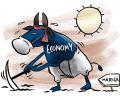
Almost 63 per cent of the increased allocation of around Rs 1.01 trillion has been spent in the first five months of 2020-21.
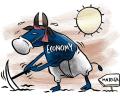
However, demand was still much higher compared to the previous years, underlining the scheme's vital role in providing employment to the rural poor, a vast majority of whom are migrants.
The plan could mature into either an umbrella programme for urban youths similar to the Garib Kalyan Rozgaar Abhiyaan or a modified urban-focused version of MGNREGS.
Given the rapid changes in the Indian labour market, there is an urgent need to have current, accurate and publicly available data through regular, dynamic and comprehensive surveys. Indeed, this was the intention behind constituting the NITI Aayog Task Force on Improving Employment Data. The attempts by the government to "improve" labour data has actually made it worse, say Rosa Abraham, Janaki Shibu & Rajendran Narayanan.

It was supposed to be a panacea against corruption, leakage and a magic wand for financial inclusion. But everywhere you look are people who enrolled, only to fall through the cracks again.
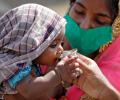
In one case, the folks at SWAN discovered that of the Rs 1,500 they'd transferred as relief in the account of a stranded worker, the bank had deducted Rs 800 as penalty for not having minimum balance!
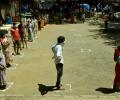
'...are the deep ruts and fissures in the rotting fabric of our cities and the incompetence of elected leaders and administrators,' notes Sunil Sethi.

'Completely disregarding ground reports of starvation deaths owing to Aadhaar and potentially disguising these deaths to look like accidents appears brutal,' says Rajendran Narayanan.

'Indian democracy has become an oxymoron.I am hopeful that more people will boycott this politics of perversion and hatred and realise that this isn't sustainable for our great nation to prosper.

'Free India turns 70 this year.' But 'freedom from whom and freedom for what?' asks Rajendran Narayanan.
 © 2026 Rediff.com - Advertise with us - Disclaimer - Privacy Policy - Sitemap - Feedback - About us - Terms of use - Grievances