
In FY23, the State Bank of India (SBI) reported a 57.4 per cent jump in its net profit to Rs 55,684.17 crore. But the chairman of the country's largest bank, Dinesh Khara's annual pay for this creditable performance was just Rs 37 lakh (his peers at state-run banks are no better off). Look at his private bank rivals - most pocketed in excess of Rs 7 crore annually - plus stock options.

A top-class board is important from a systemic point of view, more so at a time when the wider financial world and India Inc is chasing the same talent as banks.
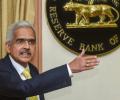
RBI says haste in easing norms for banks harmful to economy.

Merely bringing down the government stake below 51% may not find any taker for the PSBs. The government must bring down its holding to at least 26%, recommends Tamal Bandyopadhyay.

Private sector lender Axis Bank on Monday said its board has recommended the appointment of Shikha Sharma, currently chief of ICICI group's life insurance business, as its next managing director and CEO.
The talk of governance reforms at public-sector banks seems to remain on paper, as a majority of them continue to be working with just a handful board members. Half of the board seat at these banks have been vacant. Ten of the 12 public-sector banks, even large ones like Punjab National Bank, Canara Bank and Union Bank of India - all except State Bank of India (SBI) and Bank of Baroda - don't even have a chairman. In 2014, while splitting the post of chairman & managing director (CMD), the government had decided to appoint non-executive chairmen at these banks. SBI, which has an executive chairman and four managing directors, was an exception.
UTI Bank, has opened its representative office in Shanghai, China, where it will primarily engage in facilitating and promoting trade-related services between the bank's branches in India and commercial entities in China. \n
The Reserve Bank of India (RBI) has finally retreated from its position that UTI Bank split the post of chairman and managing director when the incumbent P J Nayak's term ends on July 31, 2007.
RBI may have no choice if UTI Bank's shareholders approve the same.
The UTI Bank board has found a way to retain P J Nayak at the helm by recommending his name as the executive chairman for two years from August 1, 2007. The bank's board made the proposal after a meeting.
What the RBI should ensure is that its rules are appropriately framed and uniformly implemented with transparency, fairness and correctness
UTI Bank and Andhra Bank have entered into an agreement for sharing ATMs in the country.
UTI Bank has raised Rs 170 crore through issue of preferential equity to Life Insurance Corporation, CDC and three other investors at a price of Rs 42 per share in the last few months, P J Nayak, chairman, UTI Bank, said on Wednesday.

The most common complaint of financial consumers is cumbersome processes, complicated products, usurious charges, and mis-selling of products, which finally don't deliver what is promised or as expect, notes Debashis Basu.

Of the three major Budget announcements related to the banking sector, privatisation of PSBs is the most audacious, says Tamal Bandyopadhyay.

An executive director of a bank could, for example, be elevated to the post of chairman of a different bank.

Many bankers say the move will have a serious impact on the chain of command of nationalised banks and that it would only enable the government to dish out favours to a few of their own men.
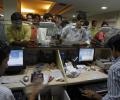
The government will not bring down its ownership in public banks.

Union Finance Minister Arun Jaitley is set to present the Budget next month.
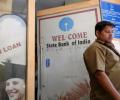
Bankers said the mammoth task of cleaning up the PSBs and improving their health will be a mammoth task for any chief executive.

RBI may revise remuneration for banks.

The post of chairman and managing director has been split and the government has appointed managing directors and chief executive officers in four banks -- Indian Overseas Bank, United Bank of India, Oriental Bank of Commerce and Vijaya Bank.

The rally followed the govt's plan to bolster state-owned lenders.

'There is a law that prevents the government from diluting its equity in the PSBs below 50 per cent.' 'That law has to be amended and given the parliamentary arithmetic of the political parties, it is not as simple to do that.'

The move to make the appointment process more robust comes after last month's arrest of S K Jain, chairman and managing director of Syndicate Bank last month, over graft charges.
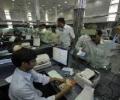
In the policy banks, the government can have 100 per cent stake, McKinsey said.

Sharma would be 60 in November 2018, and would have completed 10 years as Axis Bank's CEO the following year in June.

The government is considering a proposal to privatise some state-owned banks in phases.

India's ailing banks need immediate attention.

A key hindrance to a faster turnaround of these banks is the slow progress in the resolution of legacy bad loans and the need to build up provisions against those assets.

The comments come about a week after PSU bank employee unions went to a four-day relay strike to press for early revision of wages.

Banks will need more funds, as they have to provide more capital.

India has a long way to go before it develops a culture of professional boards accountable to institutional investors. There is, therefore, no realistic alternative to reforming and strengthening PSBs under government ownership, says T T Ram Mohan.

Govt reconstitutes body, says will not interfere in senior PSB appointments
The government must set up a Bank Investment Company to shrink its role in PSBs, if we are serious about tackling the two persistent issues - lax corporate governance practices and discretionary decision-making, says Shyamal Majumdar.
