After 20 months of hectic negotiations, Iran and six major powers have reached a historic deal to limit Teheran's nuclear programme in return for lifting of sanctions. Let's understand closely what the deal is all about.

'Qatar has been funding and supporting terrorist organisations.' 'It has used its media to spread lies and create unrest in neighbouring countries.'

'Did Trump hint at US military intervention in Qatar?' asks Ambassador M K Bhadrakumar.

The Middle East's power house is about to get a new ruler who is only 31 and he may lead Saudi Arabia for decades, says Ambassador M K Bhadrakumar.

Modi is the first foreign leader to be invited to the palace by the Crown Prince, who appreciated the role played by Indian workers in the development of UAE as a modern nation, ministry of external affairs spokesperson Raveesh Kumar tweeted.
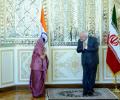
India's low passion, very cautious, relationship with Iran of the last 36 years awaits transformation, says Lieutenant General Syed Ata Hasnain (retd). Prime Minister Modi's visit cannot be a negotiating event; it is a symbolic one to strengthen the politico-diplomatic relationship.

Its promise has fallen short before the onslaught of the votaries of the old order and ruthless extremist forces, notes Talmiz Ahmad.

Talmiz Ahmad is a former Indian ambassador to Saudi Arabia, Oman and the UAE. In an interview with Aditi Phadnis, he says the disequilibrium in Iraq will continue to prevail. Ahmad also says there are indications that the US is now anxious to avoid intervening militarily in West Asia, and that this is the appropriate moment for Asia to assume responsibility for its own security. Edited excerpts:

'The surge of Saudi nationalism is the last thing Washington wants,' says Ambassador M K Bhadrakumar.

'It was China's rise that caused the New Cold War in Asia as it prompted the United States to rebalance its forces in Asia to experiment with engagement and containment at the same time,' says T P Sreenivasan.
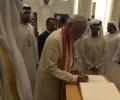
'Here is a man who can steer the country out of the woods. That sense of hope towards Modi was already there. And now that he has actually visited this region, it will go to the next level.' Zafar Sareshwala, a close confidant of Prime Minister Narendra Modi, shares his impressions about the PM's historic visit to the United Arab Emirates.

The Saudi-Pakistan nuclear weapons cooperation is meant to sound alarm bells in Washington, reminding the Obama administration that its overtures to Iran would have serious negative consequences in terms of its ties with its closest allies in the region, says Ambassador Talmiz Ahmad. Exclusive to Rediff.com

Iraq is on the verge of collapsing and foreign military intervention is inevitable. But for those who follow the developments in Iraq and the Middle-East will understand the current situation is nothing but a culmination of US and western policies toward the region, says Dr Waiel Awwad

New Delhi and Beijing are the only two regional capitals that have commented on US President Donald Trump's speech on August 21 outlining the way forward in Afghanistan. The Indian foreign ministry statement was effusive in praise, while the Chinese statement has been one of cautious and guarded hope. Delhi has identified itself with Trump's Afghan strategy, whereas the Chinese stance is calibrated -- observant and objective, keeping a distance, says Ambassador M K Bhadrakumar.
 © 2026 Rediff.com - Advertise with us - Disclaimer - Privacy Policy - Sitemap - Feedback - About us - Terms of use - Grievances