The pace of retail price rise in January 2016 is the highest since 6.46 per cent in September 2014.

CPI-based inflation on a (year-on-year) basis has come down from 8.59 per cent in April 2014 to 7.80 per cent in August 2014.

Food inflation is still very much a problem and needs fixing urgently, but the bad monsoon apparently did not make it worse.

The southwest monsoon which reached the country on May 30 well within its normal onset date

Price of potato, a daily consumable vegetable, rose 58.78 per cent during the month

Starting August, various festivals are celebrated in different parts of the country leading to higher sales of commodities ranging from sweets, fruits and food items
In December 2014, it was (-)0.50 per cent.

Gokarn was the first Indian central banker who regularised warnings to the government, through the monetary policy statement, on the need to reduce fiscal deficit.

The Food and Security Bill will be implemented after few months.

A barrier-free market -- coupled with removal of controls, licensing system, intermediaries and state-imposed levies on farm commodities -- will benefit both sellers and buyers.

Vegetable, fruit prices to be on the rise over weak supply, crop damage

The IMD came out with a dismaying prediction.
Retail inflation in pulses and products category rose to a staggering 42.20 per cent in October.
In April, RBI had projected retail inflation to be around 5 per cent.

Managing Brexit, inflation and banking reforms, along with the political environment, will be tough.

'Rate cut should reiterate RBI's commitment in providing confidence to consumers and small business.'

The government on Thursday said it will not allow prices of essential food items to increase due to the impact of possible deficient monsoon this year.

"The main risk stems from the uncertainty surrounding the outcome of the south west monsoon in view of the rising probability of an El Nio event around July-August, and its implications for food inflation," RBI said, as it kept the status quo on key interest rate for the third time in a row.

Fitch reaffirmed India's rating at 'BBB-' with a Stable Outlook saying the rating balances a still strong medium-term growth outlook compared with similar category peers and relative external resilience stemming from solid foreign-reserve buffers against high public debt, a weak financial sector and some lagging structural factors, including governance indicators and GDP per capita.

'Overall, domestic demand has moderated significantly. 'The weakening of private consumption, which for long has been the bedrock of aggregate demand, in particular, is a matter of concern,' RBI Governor Shaktikanta Das said in the MPC meetings, in October.

'My sense is that we should be braced for a correction.' 'It has already begun in the mid-caps for the past month, and will now spread to larger stocks as well.' 'Use the correction to upgrade the quality of your portfolio,' advises Akash Prakash.

Officials said good rain in August - though it might not improve acreages much for most crops except urad, moong, and paddy - would help in improving yields in the crops already planted.

Analysts polled by Reuters had expected an annual output growth of 3.5 per cent for the month.

The Reserve Bank in its first mid-quarter policy review on Monday kept the key interest rates unchanged because of elevated food inflation, rupee depreciation and uncertainty over foreign fund inflows.

D&N cites positive changes in momentum in certain segments of economy, but says some areas of concern remain
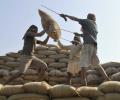
For many farmers, though, a bumper harvest isn't good news, as they have been forced to sell their produce, particularly pulses, dirt cheap.

RBI Governor Raghuram Rajan on Tuesday kept the repo rate unchanged 6.50 per cent.

PMO being sent daily updates on food cost situation in four major metropolitan cities to ensure no unusual flare-up.
Inflation, as measured on the Wholesale Price Index (WPI), has been in the negative zone since November 2014.

Amul, Gowardhan raise prices by Rs 2 a litre; others might wait for some time.
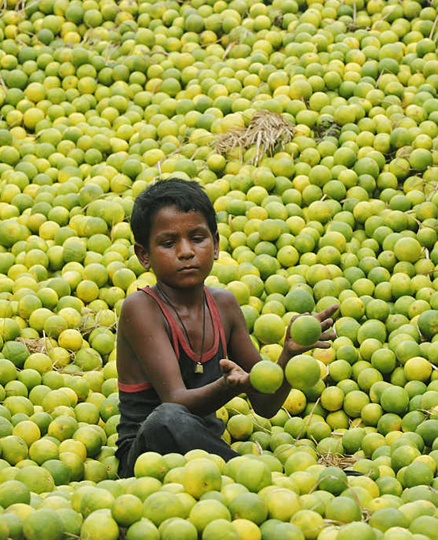
In October, CPI inflation was 5 per cent.

And why markets could give up 25 per cent of all these gains made since March 2020
.jpg)
After a string of extremely low and even negative monthly numbers, the industrial sector grew by 2.6 per cent year on year, far exceeding expectations.

The RBI said there is an upward bias on inflation projection.
By no means do economists see the Reserve Bank of India stop at just a 25-bp cut. Some of the economists such as Soumyakanti Ghosh of State Bank of India are of the firm view that rates have room to fall by a total of 75 bps in the current financial year, starting with 25 bps in the August 7 policy.

Slowdown in industrial production notwithstanding, a marginal increase in inflation raised the clamour for another round of rate cut by the Reserve Bank on April 4 to boost economic activity.


Morgan Stanley draws optimism from a slew of favourable factors.
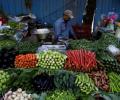
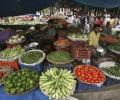
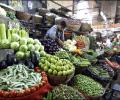
Costlier vegetables slowly pushed retail inflation, which had remained well within the Reserve Bank's comfortable level of 4 per cent during most part of 2019, peaked to more than three-year high of 5.54 per cent in November.

Retail inflation rises to 4.41% in Sep on dearer food items
 © 2026 Rediff.com - Investor Information - Advertise with us - Disclaimer - Privacy Policy - Sitemap - Feedback - About us - Terms of use - Grievances