
Expansion of distribution network, venturing into new markets, supplementing production capacity, and ramping up workforce are all on the cards. Instead of trying to fight with brands having massive war chests, it will pass on the benefits to consumers by offering them phones at lower prices.

Indian phone company Lava reveals a new strategy, reports Arnab Dutta.
According to research firm IDC, a slowdown in smartphone shipments began showing up as early as late February, though companies insist that the March quarter was fine, albeit on a low base.

How dominant are Chinese firms in India's sub-Rs 10,000 mobile device market? The question has become relevant as the government has been thinking of reserving this price segment for domestic players who have not been able to battle the Chinese onslaught. However, telecom firms and others are concerned that such a move could stymie the effort to build affordable 5G phones in the sub-Rs 10,000 category.

With slower than expected growth in smartphone penetration, operators and OEMs are joining hands to provide affordable mobile devices with attractive offers.

Components manufactured in India are low-value products like casing and box packaging that constitute 5% of the bill for materials required in phone manufacturing.

The revival of feature phones in India is driven by low-cost access to the internet, but the 'dumb phones' are learning to get smart and create a niche, says Veer Arjun Singh.

Mozilla showcased a smartphone prototype costing as little as $25 at the Mobile World Congress in Barcelona in February, targeting developing countries including India and China.
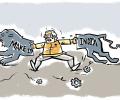
Work is underway in identifying global companies in sectors ranging from electronics, auto components and medical equipment to shift part of their existing or incremental manufacturing to India.

Chinese mobile brands are deeply entrenched in the Indian market. A move to bar them may send a bold diplomatic message. But its cost for the local industry is anybody's guess. In the event that Chinese brands face curbs, two handset makers - Samsung and Apple - squarely stand to gain.

From spreading updates about the brand and upcoming devices to creating personalised world-of-mouth goodwill for Xiaomi -- its online army of fans have swelled parallelly with Xiaomi's fortunes in the country.
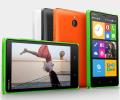
In February this year, Nokia had announced the 'Nokia X' family of affordable smartphones, running Google's Android apps, at the Mobile World Congress in Barcelona.

How Bajaj, Colgate, Raymonds, Zee lost out.. Strategic errors have hurt many companies, says adguru Sandeep Goyal.

Following the footsteps of Motorola, Chinese handset maker Xiaomi is also teaming up with e-Commerce major Flipkart to launch its handsets in India.

Budget smartphones will rule the market in 2015.

50-odd biz leaders are part of Modi's entourage for the 3-nation tour

A 15 per cent corporate tax rate for services companies in SEZs, setting up a fund for deep-tech startups and establishing clusters to demonstrate design-to-manufacturing capabilities of tech firms were some of the key demands made by the IT sector at the pre-Budget consultation on Monday. The participants shared their views and suggestions regarding Big Data, incentives for encouraging setting up of data centres, fiscal incentives for data localisation, incentives for pushing digital penetration in rural areas, and corporate guarantee to startups for competing with other nations.
 © 2026 Rediff.com - Advertise with us - Disclaimer - Privacy Policy - Sitemap - Feedback - About us - Terms of use - Grievances