
Jet fuel or ATF price on Tuesday was hiked by a steep 8.5 per cent - the second increase in a month, while commercial cooking gas rate was cut by Rs 100 per cylinder in line with divergent trends in international benchmarks. Aviation turbine fuel (ATF) price was increased by 7,728.38 per kilolitre, or 8.5 per cent, in the national capital to Rs 98,508.26 per kl, according to a price notification of state-owned fuel retailers. Rates, which vary from state to state depending on the incidence of local sales tax or VAT, have been increased on firming up of global rates that followed four months of decline.

In addition to that, an increasing number of airlines like SpiceJet, national carrier Air India and GoAir are either getting into hedging of aviation turbine fuel or increasing the quantum of ATF hedged on the MCX. Last month, state-run Indian Oil Corporation approached MCX to provide it with a platform to hedge its refinery margins and end products from crude oil.
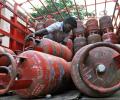
LPG rates were last hiked on November 1 by Rs 2.05 per cylinder. Prior to that rate was hiked on October 28 by Rs 1.5 per cylinder on account of hike in commission paid to dealers.
State-owned oil marketing companies have cut the prices of aviation turbine fuel, or jet fuel, by 12 per cent from midnight tonight - the first fortnightly price revision.
Domestic fares on all sectors became costlier by Rs 200 from Friday with the hike in fuel surcharge, imposed by major airlines due to increase in jet fuel prices.
In the wake of recent hike in airline fares owing to rise in aviation turbine fuel prices, the Civil Aviation Minister Praful Patel on Thursday met Union Finance Minister P Chidambaram and sought reduction in excise duty on the fuel in the Budget.

Jet fuel price in Delhi was cut by Rs 974 per kilolitre or 2.5 per cent to Rs 37,982 per kl effective midnight on Monday, an official of the Indian Oil Corporation, said.

Jet fuel constitutes over 40 per cent of an airline's operating costs and the price increase will raise the financial burden on cash-strapped carriers.
The end of the monopoly of oil PSUs on selling jet fuel at Delhi and Mumbai airports is expected to bring competition and more transparent pricing.

Adding petrol and diesel to GST was a challenging task due to their significant role as revenue generators for both the central and state governments.

Currently, OMCs provide A-I a two-month credit. "There was a request from the committee of secretaries to extend the credit on ATF to three months from the existing two months to help Air India.
The government has cut windfall gains tax on domestically-produced crude oil to nil while continuing the rate at zero on the export of diesel and ATF. The government has slashed the special additional excise duty (SAED) on crude oil produced by companies such as Oil and Natural Gas Corporation (ONGC) to nil from Rs 4,100 per tonne with effect from Tuesday, an official order dated May 15 said. This is the second time that the levy, which was introduced in July last year in the form of a cess to tax supernormal gains of oil producers and fuel exporters, has been cut to nil for domestically-produced oil.
InterGlobe Aviation, the operator of India's leading airline IndiGo, delivered a better than expected performance across most parameters in Q2FY24. The company posted its fourth consecutive quarter of net profit of Rs 188 crore. It had reported a loss of Rs 1,583 crore in the same quarter a year ago.

Brokerages lowered their earnings estimates following muted results in Q1FY24. While analysts remain optimistic about the stock's medium-term prospects, they highlight near-term concerns stemming from lower realisations due to changes in the product mix and margin pressures resulting from new plane additions.

Average monthly GST collection rose from Rs 90,000 crore during the first year of its implementation -- 2017-2018 -- to Rs 1.68 trillion during 2023-2024, representing an 87 per cent rise.
Shares of low-cost airline IndiGo hit record high on the bourses soon after reports of pilot crisis at Vistara emerged. The development also saw airfares surge by around 25 per cent on select routes. Shares of IndiGo hit a lifetime high of ~3,68.5 on April 2, 2024, and has gained 2.4 per cent on the bourses in April.

The government has brought back the windfall profit tax on domestically produced crude oil after international prices firmed up while the levy on export of diesel has been cut to nil, according to an official order. The levy on crude oil produced by companies such as Oil and Natural Gas Corporation (ONGC) is now Rs 6,400 per tonne with effect from Wednesday, the order dated April 18 said. At the last revision on April 4, windfall tax on domestically produced crude oil was cut to nil as international oil prices dipped below $75 per barrel.

The government has slashed the windfall profit tax levied on domestically-produced crude oil as well as on export of diesel and ATF following a drop in global oil prices, according to an official order. The levy on crude oil produced by companies such as Oil and Natural Gas Corporation (ONGC) has been cut steeply to Rs 1,700 per tonne from Rs 4,900, the order dated December 15 said. Crude oil pumped out of the ground is refined and converted into fuel like petrol, diesel and aviation turbine fuel (ATF).
The government on Monday hiked special additional excise duty on crude petroleum to Rs 7,100 per tonne with effect from August 15. In the last fortnightly review, windfall tax on domestically produced crude oil was set at Rs 4,250 per tonne.
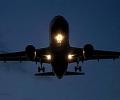
Air fares to go up as ATF price is hiked by 8.2%.
IndiGo share price today: IndiGo share price fell as much as 4.8 per cent to a low of Rs 4,275 per share on the BSE in Monday's intraday trade as investors booked profit in the stock post a its April-June quarter (Q1) results for financial year 2024-25 (FY25). The stock ended 1.36 per cent lower at Rs 4,430 as against a 23-points gain in the benchmark BSE Sensex. The selling also got exacerbated as the management commentary, post Q1FY25 results, highlighted that inflationary pressure could likely dent July-September (Q2FY25) performance.
Jet fuel (ATF) price on Wednesday was hiked by 4 per cent in line with firming international oil prices but petrol and diesel rates remained on freeze for a record 10th month in running. Aviation turbine fuel (ATF) price was increased by Rs 4,218 per kilolitre, or 3.9 per cent, to Rs 1,12,356.77 per kl in the national capital, according to a price notification of state-owned fuel retailers. The increase follows three rounds of reduction since November.

Domestic air passenger traffic touched 1.25 crore in January this year, an increase of 96 per cent compared to the year-ago period, according to rating agency Icra. However, it said the traffic remained around 2 per cent lower compared to the pre-Covid levels -- January 2020. The traffic stood at 64 lakh in January last year. Icra is maintaining a negative outlook on the Indian aviation industry, reflecting the view that the financial performance of Indian airlines is likely to remain under pressure in the near term, even though the recovery in domestic passenger traffic has been healthy.
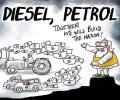
The government on Wednesday scrapped a week-old tax on the export of petrol and cut windfall taxes on overseas shipment of diesel and ATF as well as the one imposed on domestically produced crude oil after global oil prices fell. While the Rs 6 a litre export duty on petrol was scrapped, the tax on the export of diesel and jet fuel (ATF) was cut by Rs 2 per litre each to Rs 11 and Rs 4 respectively, government notifications showed. The tax on domestically produced crude was also cut to Rs 17,000 per tonne from Rs 23,250, a move that will benefit producers like ONGC and Vedanta Ltd.

Jet fuel prices on Friday were hiked by 2 per cent - the seventh straight increase this year - to an all-time high, reflecting a surge in global energy prices. Aviation turbine fuel (ATF) - the fuel that helps aeroplanes fly - was hiked by Rs 2,258.54 per kilolitre, or 2 per cent, to Rs 1,12,924.83 per kl in the national capital, according to a price notification by state-owned fuel retailers. There was, however, no change in the price of petrol and diesel on Friday.

'India's Davis Cup tie will now be played on September 14-15'

Jet fuel prices on Monday were hiked by a steep 5.3 per cent - the tenth straight increase this year -- to an all-time high, in line with a surge in global energy prices. The price of aviation turbine fuel (ATF) -- the fuel that helps aeroplanes fly -- was hiked by Rs 6,188.25 per kilolitre, or 5.29 per cent, to Rs 1,23,039.71 per kl (Rs 123 per litre) in the national capital, according to a price notification of state-owned fuel retailers. This is the 10th straight increase in jet fuel prices this year.
The government on Friday cut the windfall profit tax on locally produced crude oil in line with a fall in international rates, and reduced the levy on export of diesel and jet fuel (ATF). At the fifth fortnightly review, the government reduced tax on domestically-produced crude oil to Rs 10,500 per tonne from Rs 13,300 per tonne. The levy on the export of diesel was reduced to Rs 10 per litre from Rs 13.5. Also, the tax on Aviation Turbine Fuel (ATF) exports was cut to Rs 5 a litre from Rs 9 with effect from September 17, according to a finance ministry notification issued late Friday night.
Indian airline industry is expecting to prune its net losses to Rs 3,000-5,000 crore in this fiscal from an estimated Rs 17,000-17,500 crore in FY2023 on the back of improved yields and stable cost environment, credit ratings agency ICRA said on Tuesday. At the same time, ICRA also estimated that domestic air passenger traffic will expand by 8-13 per cent each in FY2024 and FY2025. The rating agency has also maintained its stable outlook on the industry in view of healthy passenger traffic growth, improved yields and a stable cost environment.

Jet fuel prices on Thursday were hiked by the steepest ever 16 per cent to catapult rates to an all-time high in step with hardening international oil rates.

Limits imposed on domestic airfares will be removed from August 31, after a span of approximately 27 months, the Union aviation ministry said on Wednesday. "The decision to remove air fare caps has been taken after careful analysis of daily demand and prices of air turbine fuel (ATF). "Stabilisation has set in and we are certain that the sector is poised for growth in domestic traffic in the near future," Aviation Minister Jyotiraditya Scindia said on Twitter.

Aviation Turbine Fuel, or ATF, price at Delhi was cut by Rs 3,025.34 per kilolitre, or 4 per cent, to Rs 71,800.21 per kl, according to Indian Oil Corp, the nation's largest fuel retailer.

Jet fuel prices on Wednesday were hiked by over 18 per cent -- the steepest ever increase -- to all-time high levels after international oil price surged to a multi-year high.

Corporate margins and profits in India remain vulnerable to changes in crude oil prices in the international market. Historical quarterly data from listed companies (excluding banks, finance and insurance, oil and gas, and power sectors) indicate an adverse correlation between corporate margins and crude oil prices.
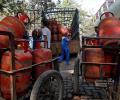
Petroleum and oil marketing companies raised the price of commercial liquid petroleum gas (LPG) cylinders by Rs 350.50 per unit and domestic LPG cylinders by Rs 50 per unit with immediate effect from Wednesday.
Diesel sales in India fell 3 per cent in September as a receding monsoon continued to dampen demand and slowed industrial activity in some parts of the country, preliminary data of state-owned firms showed. While diesel sales by three state-owned fuel retailers fell year-on-year, petrol sales rose in September. Consumption of diesel, the most consumed fuel in the country -- accounting for about two-fifths of the demand, fell to 5.81 million tonnes in September from 5.99 million tonnes demand in the same period a year ago.

'Government shouldn't be in the business of running airlines, instead it should develop the ecosystem of civil aviation.'

The Indian aviation sector is on the cusp of a change as airlines look to induct a record number of aircraft. This, analysts said, will put the sector on a growth runway, though keeping it viable for only long-term investors. According to Vinit Bolinjkar, head of research at Ventura Securities, expectations of strong air traffic, coupled with low penetration, is the prime reason for a solid long-term outlook.

From the Sensex firms, Tech Mahindra jumped 5.58 per cent, followed by Nestle, Tata Steel, NTPC, Tata Consultancy Services, Asian Paints, Wipro and Bajaj Finserv. Mahindra & Mahindra, Hindustan Unilever, Axis Bank and Bajaj Finance were among the major laggards.
