
Heavy rains lashed Delhi, leading to a red alert, traffic snarls, and waterlogging. The IMD predicts continued rainfall.

In the recent past, Delhi has witnessed several fire incidents that have claimed a substantial number of lives and caused heavy damages.

A case has been registered under Section 304 (punishment for culpable homicide not amounting to murder) of the Indian Penal Code against building owner Rehan, who had absconded after the fire broke out.

The NDRF said the building was filled with hazardous carbon monoxide.

Racing past smoke-filled corridors, the Delhi Fire Service personnel said he entered the building at least 12 times before his breathing apparatus exhausted.

In his last words, Ali told Monu: "I will die within a few minutes. Even if I die, I will be with you."

Earlier in the day, heavy traffic congestion was reported in places such as Rani Jhansi Road, Qutub Road, Old Iron Bridge, Kishan Ganj Road and Lajpat Nagar Metro Station.
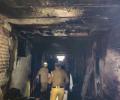
Dense toxic smoke from burning sewing machines, plastic toys and boxes, rexin rolls, plastic wrappers, card boards, packaging material and garments had engulfed the building, making it difficult to conduct rescue operations, firefighters said.
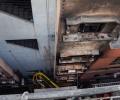
The incident turned out to be the biggest fire tragedy in the national capital since the Uphaar Cinema blaze in 1997, when 59 people died.

The incident that claimed 43 live and left 16 injured brought back tragic memories of the Uphaar cinema hall blaze in 1997.

Almost all the deceased were migrant labourers hailing from Bihar and Uttar Pradesh.

While Delhi boasts of one of the best metro systems in the world and decent infrastructure, reckless construction, legalising unauthorised colonies, and the worsening water and air quality dent its image of being a robust cosmopolitan city.
 © 2026 Rediff.com - Investor Information - Advertise with us - Disclaimer - Privacy Policy - Sitemap - Feedback - About us - Terms of use - Grievances