
One in 15 individuals aged 10 years and above were estimated to be exposed to SARS- CoV2 by August 2020, ICMR's 2nd sero-survey said.

Vardhan noted that COVID-19 infection among those vaccinated would be very mild and not progress to an advanced stage.

NITI Aayog member (Health) V K Paul said, "COVID-19 situation is turning from bad to worse. In last few weeks, especially in some states, it is a huge cause for worry. No state, no part of the country or district should be complacent."
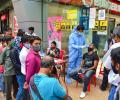
The rate of increase in coronavirus cases in Maharashtra between February 14 to March 23 was three times that recorded in the previous four months, data shows.
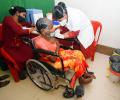
The Centre has written to states and Union Territories to immediately undertake necessary measures to include people aged 45 and above in the COVID-19 vaccination drive and stated that registration on the Co-WiN portal for the same would begin from April 1.
The urgent need to address a large number of beneficiaries waiting for second dose of vaccine was stressed in a meeting held by Union Health Secretary Rajesh Bhushan and Dr R S Sharma, the Chairman of Empowered Group on Technology and Data Management to Combat COVID-19, with state officials to review the status of COVID-19 vaccination on Tuesday.
The Centre said that there is no reason to believe presently on the that they are responsible for the surge in cases in some districts in these two states.

The official expressed hope on the success of the five vaccines that are under different phases of trial in the country.
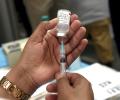
The central government had announced that the vaccination for those above 18 years will begin across the country from May 1 as part of the third phase of the inoculation drive.
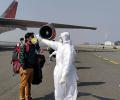
Strict norms for arriving international passengers, especially from 'at-risk' countries, will come into effect from Tuesday midnight and authorities are stepping their vigil for effective surveillance amid mounting concerns over the emergence of the coronavirus variant Omicron.
The first 100 beneficiaries of such foreign vaccines shall be assessed for seven days for safety outcomes before it is rolled out for further immunisation programme within the country, the Union health ministry said.
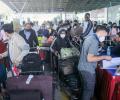
Jammu and Kashmir and Odisha on Tuesday recorded their first cases of the Omicron variant of COVID as the count of the new strain in 14 states and union territories crossed 200 even as the Centre said there is a need to 'activate' war rooms, take 'pro-active' action and consider night curfews.
In a letter to states and union territories, Union Health Secretary Rajesh Bhushan has suggested setting up of a state steering committee chaired by the chief secretary, a state task force led by additional Chief Secretary or principal secretary (health), and a district task force to be headed by the district magistrate.

The govt warned the second wave of coronavirus infection in India was not yet over even though the weekly positivity rate was showing an overall declining trend.

Addressing a press briefing, Union Health Ministry Secretary Rajesh Bhushan said on the basis of a seven-day rolling average the positivity rate of COVID-19, which was 11 per cent during the first week of August, has come down to 8 per cent now.

Thirty districts in the country, including 13 in Kerala, eight in Mizoram, four in Meghalaya, three each in Manipur and Arunachal Pradesh, two in Sikkim and one in Meghalaya are reporting a weekly positivity rate of over 10 per cent.

In order to bring uniformity, the need for following the existing framework for either imposition of restrictions or allowing relaxations based on the burden of disease and strain on healthcare infrastructure still remain important.

About 50 lakh people have registered themselves on the Co-WIN portal, without any system glitch, since the window opened Monday morning, the Centre said Tuesday, adding that over 2.08 lakh beneficiaries above 60 or those aged 45-60 with comorbidities have received the first dose of COVID-19 vaccine till this afternoon.

The govt said there are 18 states and UTs in the country where the total number of active cases are between 5,000 and 50,000, while there are only four states with more than 50,000 active cases.

While there is a continuous increasing trend in COVID-19 cases and deaths globally, particularly in America and Europe and the situation in the world is becoming worrisome, in contrast the scene in India is satisfying as the cases and deaths are declining, Dr V K Paul, member (health) at NITI Aayog, told a press conference.

22 cases of the Delta Plus variant of the coronavirus have been detected in India, with 16 of them being reported from Maharashtra and the remaining from Madhya Pradesh and Kerala, the government said.

35 districts have been reporting high active COVID-19 caseload and fatality rate. These 35 districts comprise all 11 districts in Delhi, Kolkata, Howrah, North 24 Parganas and 24 South Parganas in West Bengal; Pune, Nagpur, Thane, Mumbai, Mumbai Suburban, Kolhapur, Sangli, Nashik, Ahmednagar, Raigad, Jalgaon, Solapur, Satara, Palghar, Aurangabad, Dhule and Nanded in Maharashtra; Surat in Gujarat; Pondicherry in Puducherry and East Singhbhum in Jharkhand.

OSD in the health ministry Rajesh Bhushan said that herd immunity is a kind of indirect protection from an infectious disease like COVID-19. It happens only when a population becomes immune either through vaccination or immunity is developed through a previous infection, he said.
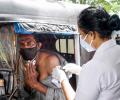
'In the coming two-three months, we need to be cautious that there is no upsurge'

Apart from the 1.1 crore doses of Covishield being procured from the Serum Institute of India, 55 lakh doses of indigenously developed Covaxin were being obtained from Bharat Biotech, Union Health Secretary Rajesh Bhushan said at a press conference.

Cases with the Omicron variant have already been detected in Karnataka and Gujarat.
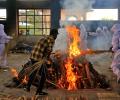
The release of the statistics follows growing panic in the country over concerns that the second wave is somehow more powerful and could cause greater havoc.

Stressing that there is a need to strengthen the collective efforts to curb the spread of the virus, Union Health Secretary Rajesh Bhushan said ramping up testing and vaccination, healthcare infrastructure planning, following Covid-appropriate behaviour and effective clinical management are among the measures to be taken by these states.

With the Omicron variant of coronavirus slowly spreading its tentacles in the country, a number of states enhanced surveillance to trace, track and quarantine contacts of COVID-19 positive persons while Delhi began genome sequencing of samples of all infected people and has prohibited Christmas and New Year gatherings.

The government has adopted a graded approach under 'Unlock' and to open up various economic activities, secretary in the health ministry, Rajesh Bhushan, told a press conference.
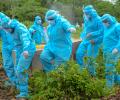
In a review meeting by Cabinet Secretary Rajiv Gauba, these states and the union territory were asked to continue with rigorous vigil so as to contain the spread of infection as well as take steps to reduce fatalities.
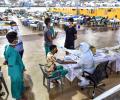
The average daily recovered cases are now more than 55,000 and active cases are just 25 per cent of the total COVID cases.

Kerala health minister Veena George, who reviewed the state's COVID-19 situation two days ago, today blamed the violation of home quarantine directives for the worsening situation and cautioned against the increased indoor transmission of coronavirus at homes.
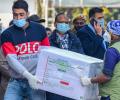
Each vaccination session will cater to a maximum of 100 beneficiaries and the Union Health Ministry has advised states not to organise 'unreasonable numbers of vaccination per site per day'.
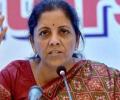
The finance ministry is working on a second relief package for the Indian economy hit hard by the coronavirus outbreak and the 21-day nationwide lockdown imposed to curb the contagion, sources said. Last month, the government announced a Rs 1.70 lakh crore relief package in the form of foodgrains and cash transfers for the poor and vulnerable section of the society to help them deal with the hardships caused by the lockdown. Now, the government is working on a stimulus to be given to hard-hit sectors of the economy after the lockdown is lifted, sources said, adding that an announcement is expected in the next few days depending on the severity of the pandemic.
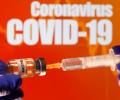
'Please don't read something which is not there in DG, ICMR's letter. The intent of the letter is only to expedite duly approved clinical trials without compromising on security and safety concerns'
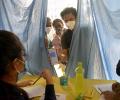
Over 21 per cent of the population, aged 10 years and above, showed evidence of past exposure to COVID-19 in the Indian Council of Medical Research's latest national serosurvey, the government said on Thursday, noting that a large proportion of people are still vulnerable to the infection.

People aged 45 and above account for about 88 per cent of all COVID-19 deaths in India making them the most vulnerable section, the Union health ministry said on Wednesday, a day after the government opened up vaccinations for all those in the age bracket from April 1.
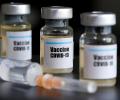
A 40-year-old man who was a volunteer in the third phase of the ''Covidshield'' vaccine trial in Chennai has alleged serious side effects, including a virtual neurological breakdown and impairment of cognitive functions.
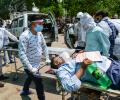
A rise in the number of daily COVID-19 cases and mortality has been observed in Assam, West Bengal, Odisha, Bihar and Jharkhand, indicating the pandemic is moving eastwards, the Union health ministry said.
 © 2026 Rediff.com - Investor Information - Advertise with us - Disclaimer - Privacy Policy - Sitemap - Feedback - About us - Terms of use - Grievances