
A panel headed by PM Modi and including Rahul Gandhi will meet to decide on the next Chief Information Commissioner and information commissioners for vacant positions at the Central Information Commission (CIC).
The Centre informed the Supreme Court that a panel led by Prime Minister Narendra Modi is likely to meet on December 10 to select and recommend names for the post of Chief Information Commissioner and information commissioners of the Central Information Commission (CIC).
'The government does not want to be transparent or accountable. Therefore, they do not want to appoint information commissioners.'

Samariya, the first Dalit to have been appointed to the post, was working as information commissioner in the transparency panel Central Information Commission (CIC). A 1985-batch Indian Administrative Service (IAS) officer of Telangana cadre, Samariya retired after serving as the labour and employment secretary in the Government of India. He was sworn in as the information commissioner on November 7, 2020.

Chowdhury said the voice of the Opposition has been "ignored" and that is not good for democracy.

The govt and the opposition appeared set for a showdown in Parliament's monsoon session.

Let the existing collegium system which is functioning not get derailed, the SC observed.
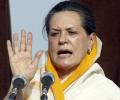
The UPA chairperson added that the Centre may "achieve its aims" through majority, but in the process, it would be disempowering each and every citizen of our country.

"Every Indian deserves to know the truth and the BJP wants to hide the truth. The BJP believes the truth must be hidden from the people and they must not question people in power. The changes proposed to the RTI will make it a useless Act," the Congress president said on Twitter.

Over 40,000 complaints and appeals are pending in the Central Information Commission which is working without its chief for more than nine months.
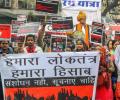
Syed Firdaus Ashraf/Rediff.com finds out how the government is seeking to change the RTI Act, and what impact it will have on the Right to Information.

The new rules have given discretion to government to decide on allowances or service conditions not specifically covered by the 2019 rules which would be 'binding'.

Rejecting the opposition's charge that the bill will weaken the act, the government said it was fully committed to transparency and autonomy of the institution.
 © 2026 Rediff.com - Investor Information - Advertise with us - Disclaimer - Privacy Policy - Sitemap - Feedback - About us - Terms of use - Grievances