
Indian Oil Corporation Ltd (IOCL) plans to invest approximately Rs 1 trillion in petrochemical projects over the next five to six years, aiming to significantly increase its petrochemical intensity and production capacity to meet growing domestic demand.

State-owned refiners Bharat Petroleum Corporation Ltd (BPCL) and Hindustan Petroleum Corporation Ltd (HPCL) have reported substantial losses for the first quarter of financial year 2026-27 (Q1FY27), primarily driven by a sharp increase in crude oil prices exacerbated by the ongoing West Asia crisis and suppressed marketing margins on petroleum products.

The Indian government has defended its E20 ethanol blending programme, stating that extensive testing and field experience show no evidence of abnormal engine wear, corrosion, or reduced vehicle life, despite a potential 2-6% reduction in fuel economy.

Nayara Energy, India's largest private fuel retailer, has reduced petrol prices by Rs 5 per litre and diesel by Rs 3 per litre nationwide, marking the first such cut in over two years. This reduction follows easing tensions in West Asia and stabilised international crude oil prices, though public sector retailers have not yet followed suit.
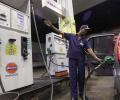
Despite international crude oil prices falling to a four-month low, retail petrol and diesel prices in India are unlikely to be cut immediately because state-run refiners are still processing costlier crude purchased during the peak of the West Asia crisis, Oil Minister Hardeep Singh Puri said.

Fitch Ratings has warned that India's oil marketing companies (OMCs) could face significant credit pressure if crude oil prices remain elevated, leading to eroded earnings and increased working capital needs due to delayed fuel price pass-through.
State-run Bharat Petroleum Corporation Ltd (BPCL) plans a significant capital expenditure of 25,000 crore for the financial year 2026-27, primarily for ongoing expansion projects. The company also stated that the recent 4-per-litre price hike in petrol and diesel has provided some financial relief amidst volatile crude oil prices and mounting losses.

Mr Pradhan is not an especially charismatic leader or a brilliant orator, but his understanding of realpolitik and organisational dynamics makes him the ultimate party man, points out Aditi Phadnis.

India has significantly reduced Aviation Turbine Fuel (ATF) prices for international airlines by 27% due to easing global fuel benchmarks, while simultaneously increasing commercial LPG and 5-kg cylinder prices to record highs.
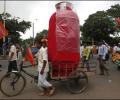
Delhi Police arrested a gas agency owner for allegedly hoarding and black marketing LPG cylinders, seizing 459 cylinders in a raid.

Congress leader Rahul Gandhi on Monday launched a scathing attack on Prime Minister Narendra Modi over the latest fuel hike, saying mehangai manav has struck again and he has just one job of making promises during elections and attacking people's pockets at other times.

Petrol price has been increased by 87 paise in Delhi from Rs 98.64 to Rs 99.51 per litre. Diesel rates have gone up by 91 paise from Rs 91.58 to Rs 92.49.

Historically, India was a major buyer of Iranian crude, importing significant volumes of Iranian light and heavy grades due to strong refinery compatibility and favourable commercial terms.

Petrol and diesel prices in India have seen their fourth increase in less than two weeks, pushing cumulative hikes to nearly Rs 7.5 per litre since May 15, reaching their highest levels since May 2022. This surge, driven by global crude oil costs and the Iran conflict, is expected to exacerbate inflationary pressures and raise transportation costs across the economy.
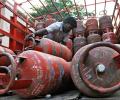
More than 500 filled LPG cylinders were allegedly stolen from a truck in Jhansi during the Holi festival, according to police reports.

Petrol and diesel prices in India have been increased by Rs 3 per litre each, marking the first rate hike in over four years. This decision follows a period of stable prices during recent state elections, despite rising global crude oil prices and significant losses for fuel retailers.

Indian refiners are recalibrating their crude sourcing strategy due to supply disruptions in West Asia, leading to Venezuela and Brazil emerging as top five suppliers in April, replacing traditional sources like Iraq and the United States.
Delhi Police have arrested a 61-year-old man and busted an illegal LPG refilling racket in southwest Delhi's Dabri area, seizing 17 cylinders.

India possesses two months of fuel stockpiles and faces no supply concerns despite global energy disruptions, according to Oil Minister Hardeep Singh Puri. However, state-run fuel retailers are incurring losses of up to Rs 1 lakh crore in a single quarter due to elevated crude prices and unchanged retail fuel prices, raising questions about the sustainability of these losses.

Seven customers of Bharat Petroleum Corporation Limited (BPCL) in Indore have been booked for allegedly misappropriating over Rs 5.7 crore that was wrongly deposited into their digital wallets. Police are investigating how Rs 129.55 crore was incorrectly credited to around 1,000 BPCL 'Smart Fleet' customers.

Aviation fuel prices for domestic airlines remain unchanged, providing stability for local carriers, while commercial LPG and 5-kg cylinders see a significant rate hike due to rising international energy costs.

A mining inspector and his team were allegedly attacked by a petrol pump owner, staff, and truck drivers during a checking drive against overloaded sand-laden vehicles in the Pipri area of Kaushambi, Uttar Pradesh.

Replacing over a third of India's oil imports at competitive rates is going to be a challenge, said traders from State refiners, even though some progress was made in the last two months.

State-owned Indian Oil Corporation (IOC), Bharat Petroleum Corporation Ltd (BPCL), and Hindustan Petroleum Corporation Ltd (HPCL) are reportedly incurring losses of Rs 18 per litre on petrol and Rs 35 per litre on diesel, as they continue to absorb rising crude oil costs without increasing retail prices. This situation is leading to expectations of a fuel price hike after upcoming state elections.
The Haryana government is taking strict action against black marketing of cooking gas cylinders, registering FIRs and seizing hundreds of cylinders to ensure adequate supply for citizens.
The Haryana government is taking strict action against individuals involved in the black marketing of cooking gas cylinders, resulting in multiple FIRs and the seizure of hundreds of cylinders.
The Haryana government is taking strict measures to combat the black marketing of cooking gas cylinders, registering FIRs and seizing hundreds of cylinders. Officials assure citizens of sufficient LPG supply despite global concerns.
State-run oil-marketing companies (OMCs) are unlikely to significantly raise petrol and diesel prices despite crude oil nearing $100 a barrel, leading to potential margin pressure, while CLSA analysts project a 65 per cent upside for ONGC's stock.
Aviation Turbine Fuel (ATF) prices have more than doubled to a record high, impacting airlines and consumers, while commercial LPG rates also see a significant increase.

Nayara Energy, a private fuel retailer in India, has increased petrol and diesel prices following a surge in global oil prices due to Middle East tensions. This move contrasts with state-owned retailers who continue to freeze prices.
Petrol diesel price today March 20, 2026: IOCL & HPCL hike premium petrol (XP95, Speed, Power) by 2/litre and industrial diesel by 22/litre. Regular petrol in Delhi 94.77, diesel 87.67 unchanged. Full city-wise rates inside.

S&P Global Ratings warns that Indian oil marketing companies like IOC, BPCL, and HPCL may face reduced profit margins due to rising crude oil prices and government pressure to maintain stable retail prices.
Petrol diesel price today March 20, 2026: IOCL & HPCL hike premium petrol (XP95, Speed, Power) by 2/litre and industrial diesel by 22/litre. Regular petrol in Delhi 94.77, diesel 87.67 unchanged. Full city-wise rates inside.

West Asia conflict triggers sharp sell-off in Indian markets, with realty, banking and auto stocks leading losses amid energy shock fears.

Two more Indian-flagged LPG tankers have begun their journey from the Persian Gulf, navigating the Strait of Hormuz amidst regional conflict, following disruptions caused by recent tensions in the Middle East.

A senior government official confirms that Indian vessels do not require permission to navigate the Strait of Hormuz, despite regional tensions. Several Indian ships, including LPG tankers, have safely crossed the strait, ensuring continued supply of essential commodities to India.

India's privatisation push, once projected as a cornerstone of economic reform, has suffered another setback, with the Centre set to call off the IDBI Bank stake sale, highlighting the political and structural constraints shaping the country's disinvestment policy, experts say.
Private-sector oil refiner Reliance Industries Limited (RIL) last week received a general licence from the United States (US) government to buy Venezuelan oil, an industry executive said.

Of the 1.32 trillion capex target for FY26, State-run oil firms have already spent 1.07 trillion in the first 10 months.

Despite international crude oil rates crossing USD 100 per barrel due to Middle East tensions, the Indian government plans to maintain current petrol and diesel prices, ensuring uninterrupted fuel supply across the country.
