

Starting January, the market is expected to welcome models like the Tata Punch 2025 which is expected to be around ₹6 lakh, Mahindra BE 07 EV around ₹29 lakh, Maruti WagonR Electric around ₹8.5 lakh, Toyota 3-Row SUV around ₹14 lakh, and Volkswagen Tera to be around ₹8 lakh.
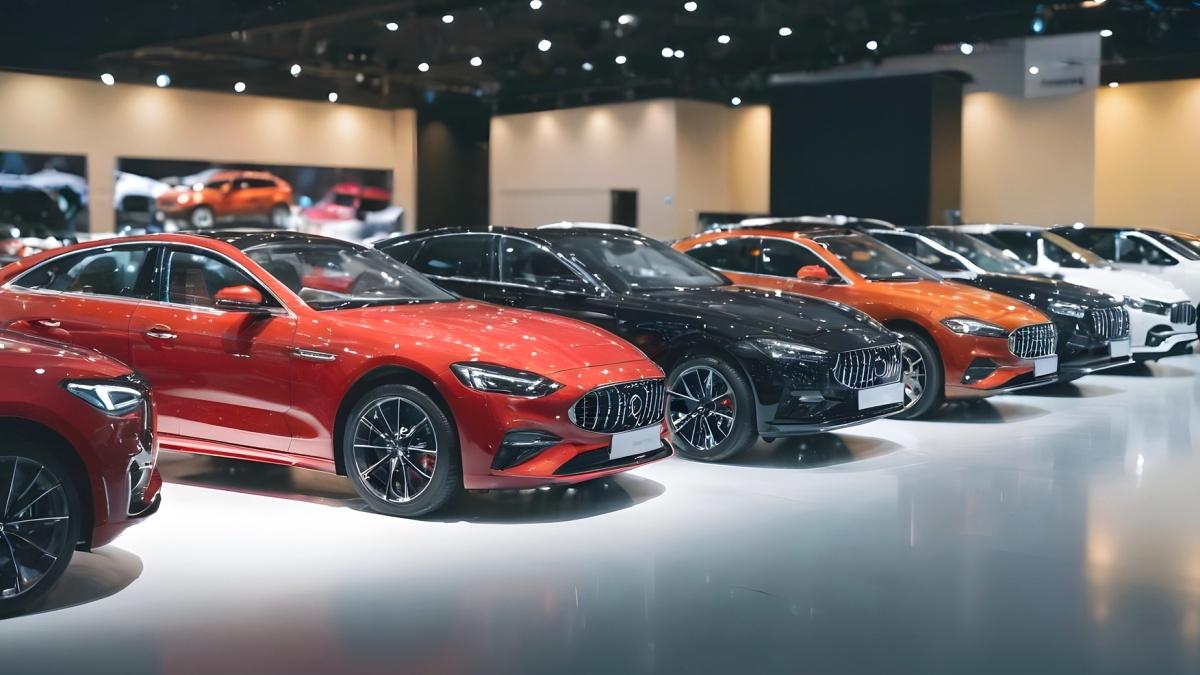
Passenger vehicle sales will remain in the fast lane in 2026, driven by high demand for sports utility vehicles (SUVs), rural growth and premiumisation as companies will come out with a flurry of new models and upgraded versions.
The 2026 calendar is packed with over 25 new models and facelifts across segments, beginning as early as January, according to industry watchers.
The launches span the gamut of pricing and powertrain types. The year will see affordable electric vehicles (EVs) like the Maruti WagonR Electric (expected to cost around ₹8.5 lakh) and the Tata Punch 2025 (expected to cost around ₹6 lakh).
In the premium EVs segment, high-end models include the Mahindra BE 07 EV (around ₹29 lakh), which is part of Mahindra’s new dedicated electric portfolio, and the much-anticipated entry of the Tesla Model 3.
Industry experts say key trends such as SUV dominance, rising rural demand, and premiumisation will continue to define the market, even as EV adoption faces some near-term challenges.
“Key trends like SUV, rural growth and premiumisation are intact and will continue in 2026. A lot of new hybrid models will be introduced and are likely to be popular. EV growth will continue, and may encounter some roadblocks,” said Anurag Singh, advisor, Primus Partners. He added that India’s car market remains highly segmented.
“A leading OEM used to track over 250 distinct segments from a school van in hilly terrain to a small sedan taxi in metros. With the reduction in GST, a new trend has emerged, customers are now opting for higher, more feature-rich variants rather than the cheapest option,” Singh said.
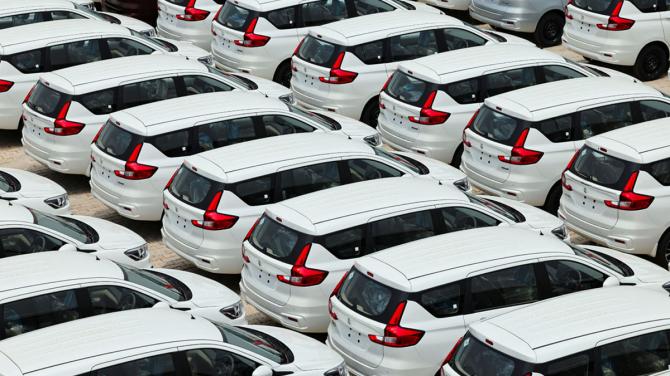
The next year will see automakers across the spectrum racing to capture consumer attention.
Starting January, the market is expected to welcome models like the Tata Punch 2025 which is expected to be around ₹6 lakh, Mahindra BE 07 EV around ₹29 lakh, Maruti WagonR Electric around ₹8.5 lakh, Toyota 3-Row SUV around ₹14 lakh, and Volkswagen Tera to be around ₹8 lakh.
February 2026 will further escalate the EV race with the debut of models like the Kia Syros EV, Toyota Urban Cruiser EV, Skoda Elroq, and VinFast VF3, signalling a rising tide of competition in both mass and premium electric segments.
Through mid-2026, the product cadence continues with high-profile releases such as the Hyundai IONIQ 6, Tata Safari EV, Renault Kardian EV, and the production debut of the Tata Avinya, a flagship EV concept.
While EV momentum is set to continue, the rise of hybrid models is expected to gain ground, providing a crucial consumer solution in light of infrastructural gaps and anxiety around charging access and vehicle range.
With nearly every major OEM planning launches, 2026 promises to be one of the most competitive years, ensuring consumers have “tremendous choice”, as Singh points out, marking the beginning of a new, technology and value-focused cycle for the Indian auto market.
Automakers are already aligning strategies to capitalise on renewed market momentum.
“Following the implementation of GST 2.0 reforms, the Indian automobile industry witnessed strong demand momentum, driven by improved affordability and positive consumer sentiment,” said Tarun Garg, Hyundai Motor India’s chief operating officer (COO).
Hyundai’s upcoming portfolio, which covers around 26 models (including upgrades), is expected to be launched by FY2030.
This will span multiple powertrains from ICE and hybrid to EV reflecting a holistic strategy to strengthen its market position and cater to diverse consumer preferences.
With nearly every major OEM planning launches, 2026 promises to be one of the most competitive years for India’s auto industry. Consumers will have “tremendous choice,” as Singh points out, making buying decisions both exciting and complex.
While EV momentum will continue, hybrid models are expected to gain ground, especially in light of infrastructural gaps and consumer anxiety around charging access and range.
For India’s auto market, 2026 may well mark the beginning of a new cycle, one defined by greater choice, innovation, and a sharper focus on technology and value.
Gearing up for growth
- GST rate rationalisation to drive growth
- Over 25 new car launches planned for early 2026
- Affordable and premium EV models entering the market
- OEMs intensifying competition with broader lineups
Feature Presentation: Rajesh Alva/Rediff







 © 2026