

Muscle cramps typically occur due to electrolyte imbalances, dehydration and muscle fatigue, says rediffGURU Dr Shakeeb Ahmed Khan.
Can drinking less water give you muscle cramps?
How do you convince an elderly person to give up on home remedies for treating pain and visit a doctor?
What are some of the exercises you can do to reduce your weight?
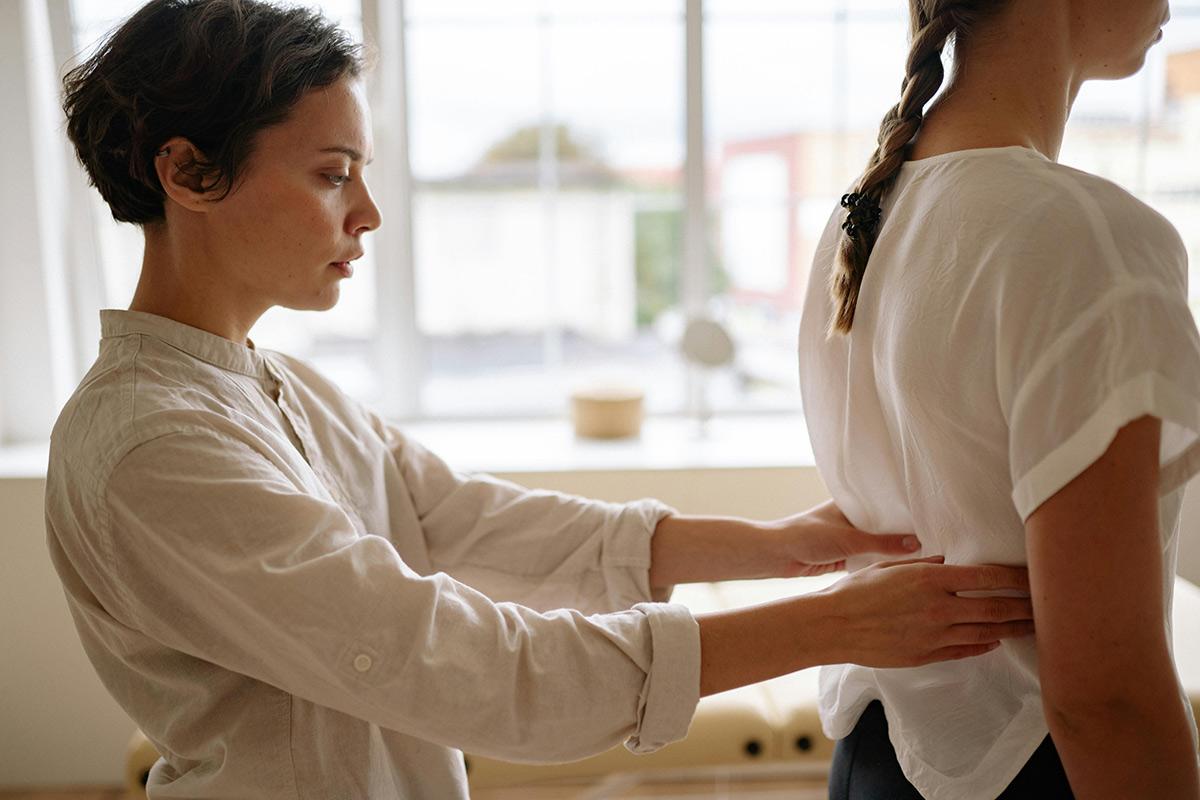
rediffGURU Dr Shakeeb Ahmed Khan, a physiotherapist with 13 years of experience, explains how you can prevent injuries and heal from physical pain.
- You can post your questions to rediffGURU Dr Shakeeb Ahmed Khan HERE.
Reddy: What is the reason for muscle cramps?
Dear Mr Reddy, thank you for your query. Muscle cramps, from a physiotherapy perspective, typically occur due to factors like electrolyte imbalances, dehydration and muscle fatigue.
Overworked muscles from excessive activity or poor conditioning often trigger sudden, painful contractions.
Tight muscles with limited flexibility are particularly prone to cramping during movement or rest.
Poor circulation from prolonged sitting or standing can also contribute to cramps by reducing oxygen supply to the muscles.
Physiotherapy helps improve muscle function and circulation through targeted stretching, strengthening exercises and manual therapy.
Proper hydration, electrolyte balance and posture correction play key roles in prevention.
If cramps persist, a thorough assessment can identify underlying musculoskeletal or neurological causes that need specific intervention.
Anonymous: My mother-in-law, who is 58 years old, refuses regular health check-ups.
She believes in home remedies. She's overweight with knee pain but doesn't believe in going to the doctor.
How can I gently convince her to see a doctor and trust modern healthcare?
I completely understand your concern as well as your mother-in-law's reluctance to undergo regular health check-ups.
You might gently explain to her how crucial these check-ups are for maintaining good health and staying strong for the sake of her family.
In the meantime, you could encourage her to incorporate simple exercises into her routine, such as VMO strengthening, straight leg raises, static quadriceps exercises and gentle squats or lunges if she's comfortable as these can help improve her knee strength and mobility.
She may watch some instructional exercise videos on social media which might also inspire her to stay active.
As she becomes more consistent with these exercises and starts noticing improvements, she may feel more willing to consult a doctor for further advice and care.
The key is to approach the situation with patience and encouragement, helping her see the benefits of both exercise and medical guidance for her long-term well-being.
Md: Hello sir, I am facing a health problem due to an increase in my body weight.
From 2023 to 2024, I was doing online classes at home, preparing for a competitive exam.
Due to this, my weight increased by 10 kg (from 62 kg to 82 kg), and now I am facing issues like problems in walking, running, lack of stamina and many other physical issues.
I am going to start college in the next two months.
I can't go to the gym but I can exercise at home.
Please, sir, give me some tips and suggestions.
Hello Md. Thank you for your query.
You are worried about weight gain, which is a valid concern.
Weight gain can lead to several issues, such as breathlessness while walking, reduced endurance (stamina) and back and knee pain.
The only way to reduce weight is by consuming fewer calories than your body needs -- a state known as being in a calorie deficit -- along with increasing protein intake and engaging in regular strength and aerobic exercises. However, this approach requires consistency and determination.
You can still do all these exercises at home, including push-ups, pull-ups, squats, lunges, dumbbell workouts and resistance training.
What's most important is maintaining regularity and daily consistency.
- You can post your questions to rediffGURU Dr Shakeeb Ahmed Khan HERE.
Disclaimer: All content and media herein is written and published online for informational purposes only. It is not a substitute for professional medical advice. It should not be relied on as your only source for advice.
Please always seek the guidance of your doctor or a qualified health professional with any questions you may have regarding your health or a medical condition. Do not ever disregard the advice of a medical professional, or delay in seeking it because of something you have read herein.
If you believe you may have a medical or mental health emergency, please call your doctor, go to the nearest hospital, or call emergency services or emergency helplines immediately. If you choose to rely on any information provided herein, you do so solely at your own risk.
Opinions expressed herein cannot necessarily provide advice to fit the exact specifics of the issues of the person requesting advice.







 © 2026