

Team India showed grit, character, and resilience to pull off a dramatic draw in the fourth Test at Old Trafford.
Led by Shubman Gill, a defiant India put on a mentally strong and technically disciplined response to keep the series alive with England 2-1 up. While there were plenty of positives to take forward, a few concerns continue to linger as the series heads to a decider at The Oval.
THE POSITIVES
Remarkable Fightback Under Pressure
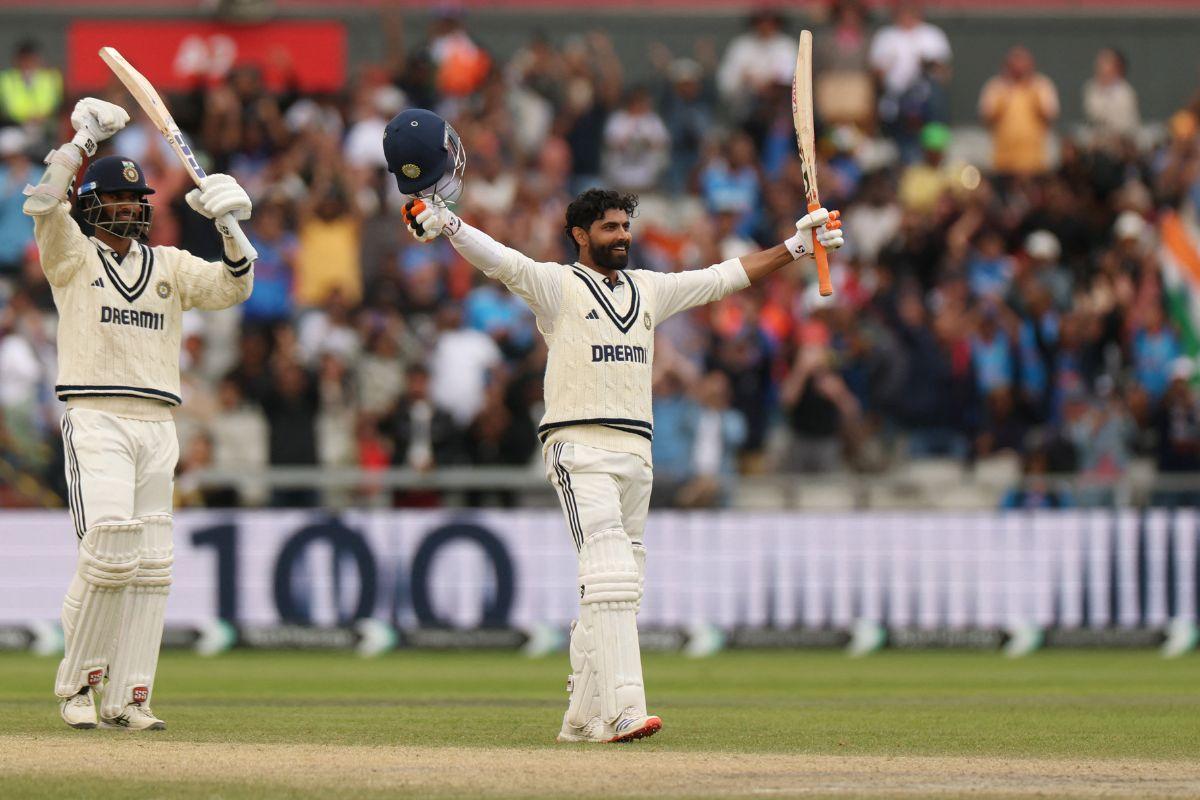
Reduced to 0/2 in their second innings, India's remarkable recovery was nothing short of inspirational.
Batting for over five sessions to finish on 425/4, the visitors showed mental strength and discipline to keep the series alive.
It was India's senior most batter K L Rahul (90) and Captain Gill (103) who laid the first foundations of a fightback. They linked up just before lunch on Day 4 after Chris Woakes sent opener Yashasvi Jaiswal and No. 3 bat Sai Sudharsan back in the hut without troubling the scorers.
Rahul and Gill survived a testing spell from Jofra Archer and Woakes before putting on a dominant display in the middle session to keep chipping at England's lead.
The England bowlers tried to create some chances but Gill and Rahul were equal to the task. Ben Stokes' inability to bowl on Day 4 also provided India a mental edge.
The batters latched on to the poor deliveries and played some exquisite drives, Gill getting to his 8th Test half ton just before tea.
By the third session both batters mixed caution with aggression. The final session saw England employ the short ball tactic with no reward. There were no boundaries for 22 overs but the batter fought on and brought up their 100 run partnership in the 38th over.
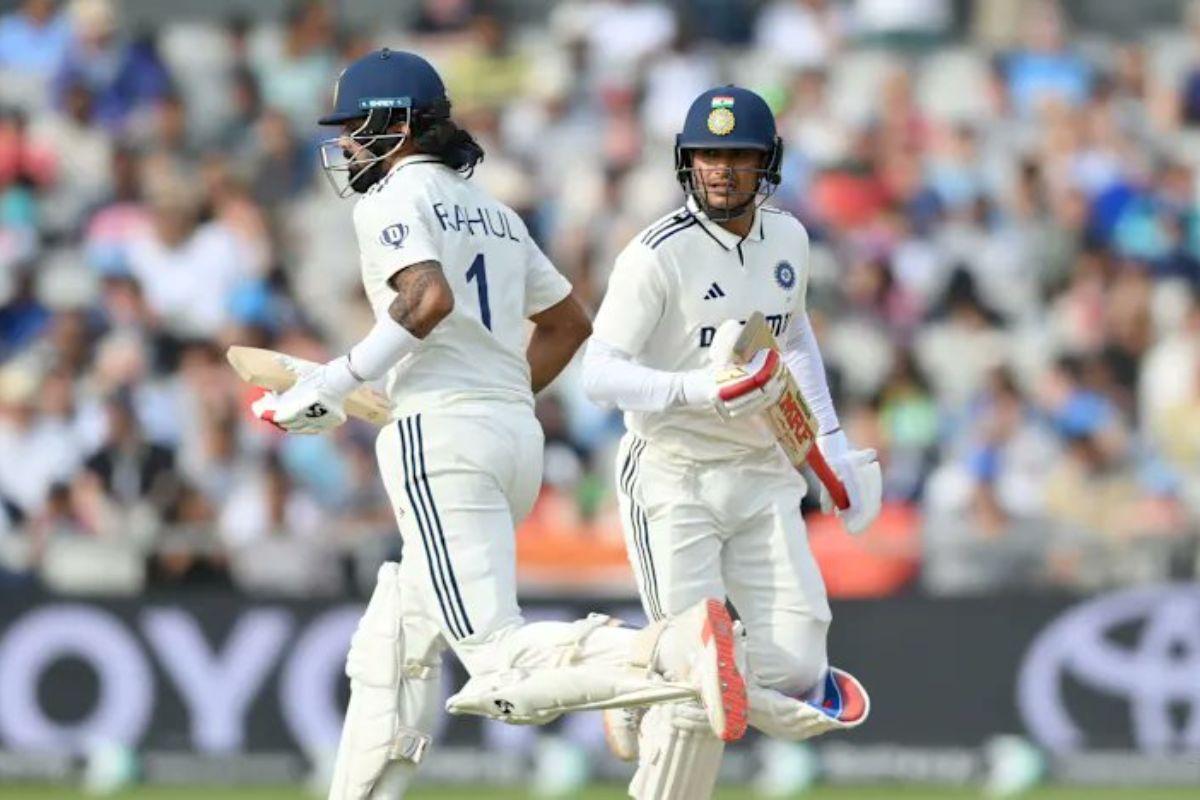
Rahul brought up his half ton and went on to tally 500 runs in the series. Gill was tested with the bowlers, particularly Acher. targetting his pads but the skipper survived.
Gill and Rahul's stubborn resistance saw them bring up the 150 run stand and by stumps on Day 4, India had reached 174 for 2, cutting England's 311 run lead after they had made 669 in their first essay.
On Day 5, overnight batters Rahul and Gill continued from where they left off, batting untroubled. Stokes brought himself on and he struck inside 8 overs on the final day, removing Rahul for 90.
Gill who was hit on the hand a few times went on to score his fourth ton of the series. England failed to take advantage of the second new ball but Archer broke the blossoming partnership and Gill trudged back.
Ravindra Jadeja walked in to bat and brought with him some luck as he was dropped first ball by Joe Root at slip. Thereon it was all India as England bowlers looked deflated with runs flowing easily off the bats of Jadeja and Washington Sundar.
The duo never let up and from the middle session onwards, they took control of the proceedings. Sundar showed maturity in composure and was perfect foil for the experienced Jadeja.
They ensured that India went into the lead in the third session before being rewarded by centuries for their lion hearted performances.
The three Indian pairs batted 142.5 over 5 sessions: Rahul and Gill batted 421 balls. Gill and Sundar's 34-run stand came in 104 balls before Sundar and Jadeja held fort and batted for 334 balls to script one of India's most memorable Test draws.
Centuries Under Pressure
With a massive lead of 311 and five sessions to play under overcast skies, it was almost a given that England had the match in the bag.
And with Chris Woakes sending Yashasvi Jaiswal, who had hit a half-ton in the first essay, and Sai Sudharsan back in the hut for 0, it was only a matter a time before the hosts were bagging the series 3-1.
But Shubman Gill's India are warriors.
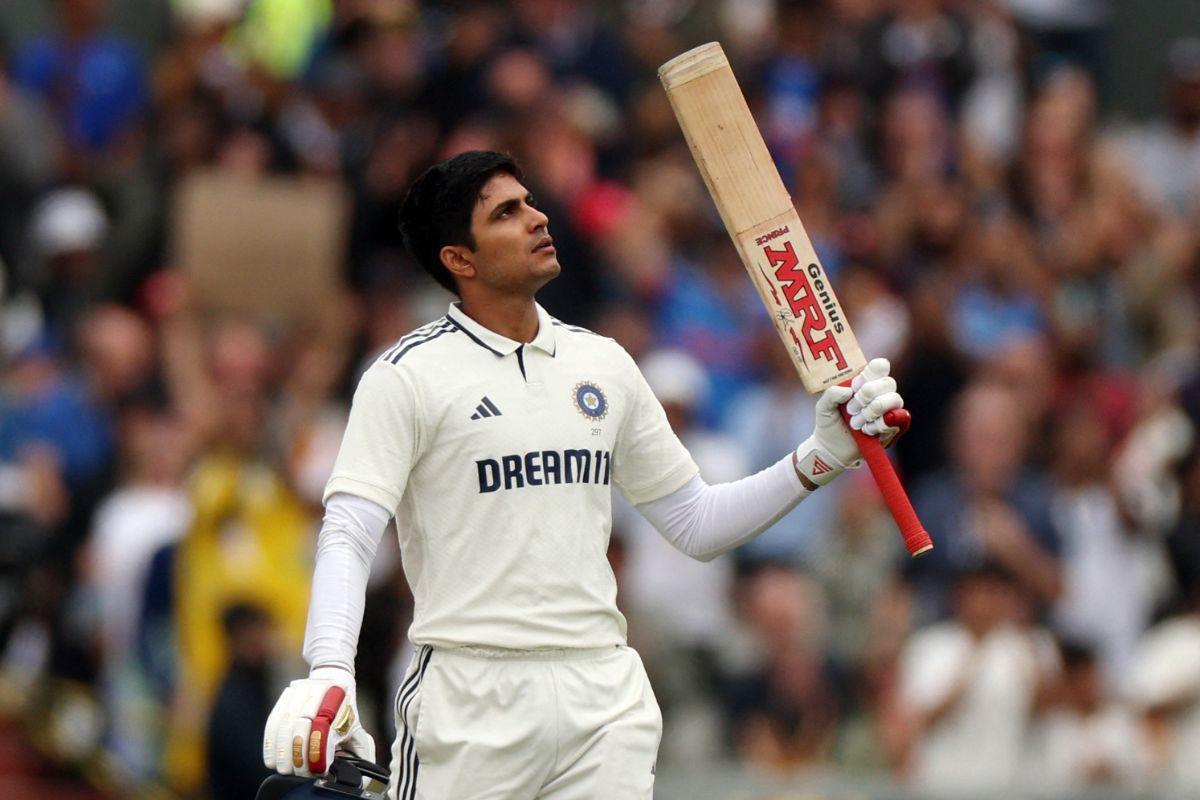
With single-minded focus, Gill again led from the front. The 25 year old exuded fight and a calm head as he held fort with Rahul to see off Day 4 without further trouble.
His mental fortitude was at the core of his 4th century of the series. It set the tone for the match but it was eventually unbeaten centuries from Ravindra Jadeja and Washington Sundar that stole the show.
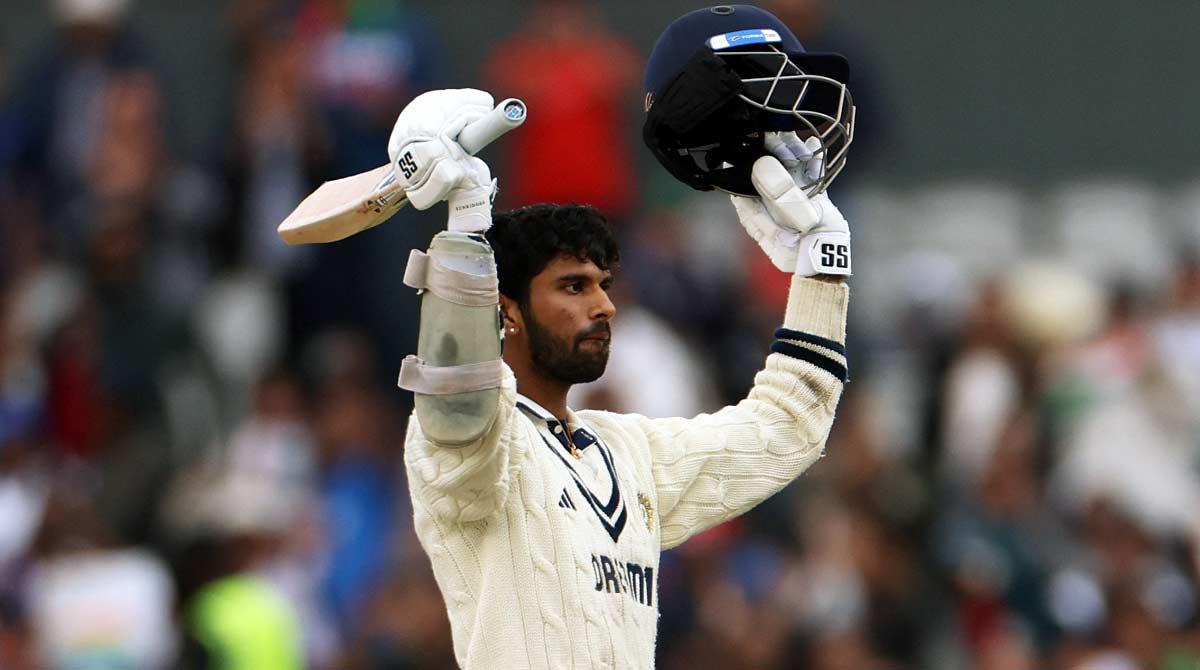
Jadeja and Sundar's innings stood out for their composure under tense circumstances. They breathed life into the innings and never once gave England bowlers a chance. They particularly negated the threat by left-arm spinner Liam Dawson who tried to use the rough to get some turn and bounce, albeit with little effect.
They were in the zone constantly and were not once distracted by the chirping from the England fielders standing close in.
They not only frustrated the bowlers but also shut out comments from cricket pundits, particularly Sanjay Manjrekar, who gave India no hope of saving the match, and said on Saturday that India would crumble after Gill and Rahul's dismissals.
Both Jadeja and Sundar got much deserved centuries after a stoic battle for a morale-boosting draw to keep India alive.
Resilience and Strong Temperament on Day 5 Wicket

The surface wasn't easy, but India's batters showed game awareness and match temperament to nullify the English attack. The ability to bat long and deep on the final day showed a level of maturity missing in earlier matches.
On a Day 5 surface where every ball could have been a potential wicket, the Indians showed great application and game awareness.
Faced with a deteriorating pitch, variable bounce, and an aggressive English bowling attack hunting for a win, the Indians put up a defensive masterclass.
India were on the field for 160 odd overs. It was Mindset Control.
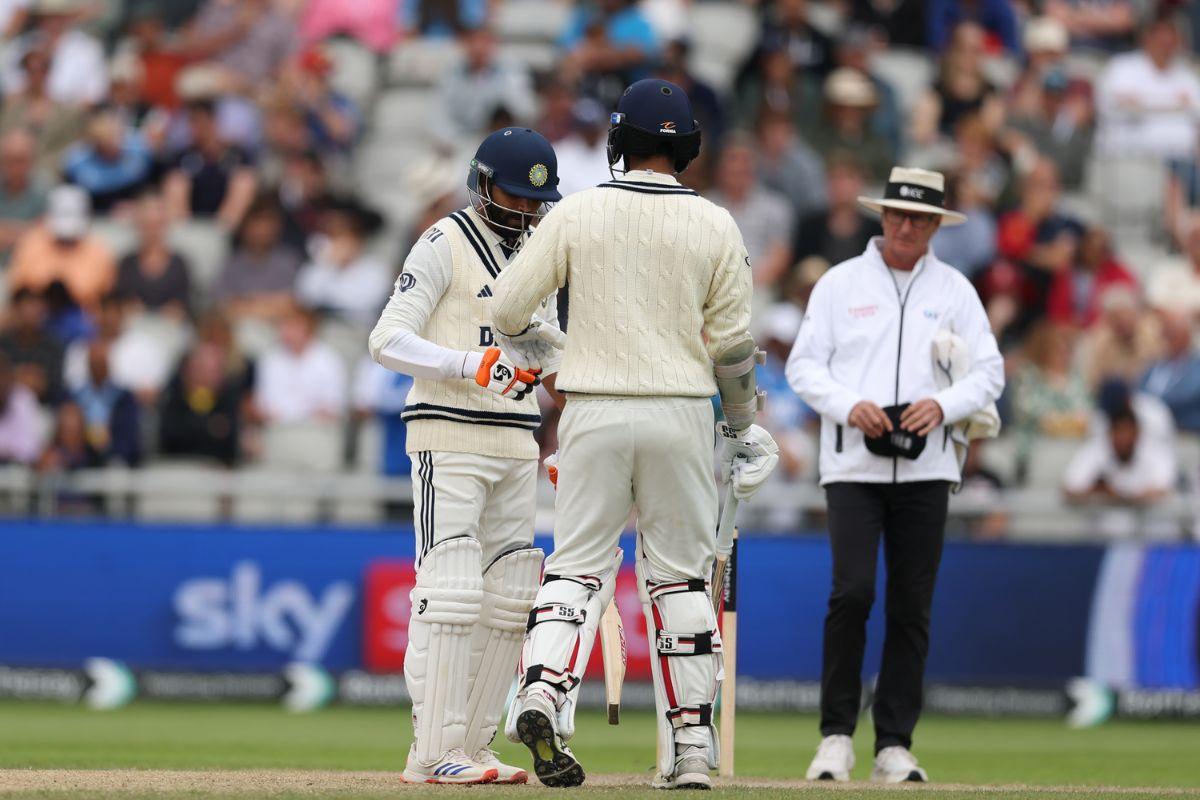
Every delivery had the potential to end the resistance, but Gill, Jadeja and Washi showcased remarkable application, clarity of thought, and unwavering concentration.
India not only recovered from a disastrous start but batted for over five sessions, denying England a sniff of victory. This revealed a side of India's batting temperament that had been missing earlier in the series.
Where earlier Tests saw batters throwing away good starts, Day 5 at Old Trafford witnessed a shift in mindset as set batters committed to the long haul, playing each ball on merit and placing value on their wicket. It wasn't just about strokeplay or partnerships. What spectators witnessed was all about absorbing pressure, respecting the conditions, and staying in the fight.
India earned the draw, one gritty session at a time.
THE NEGATIVES
Another Top-Order Collapse
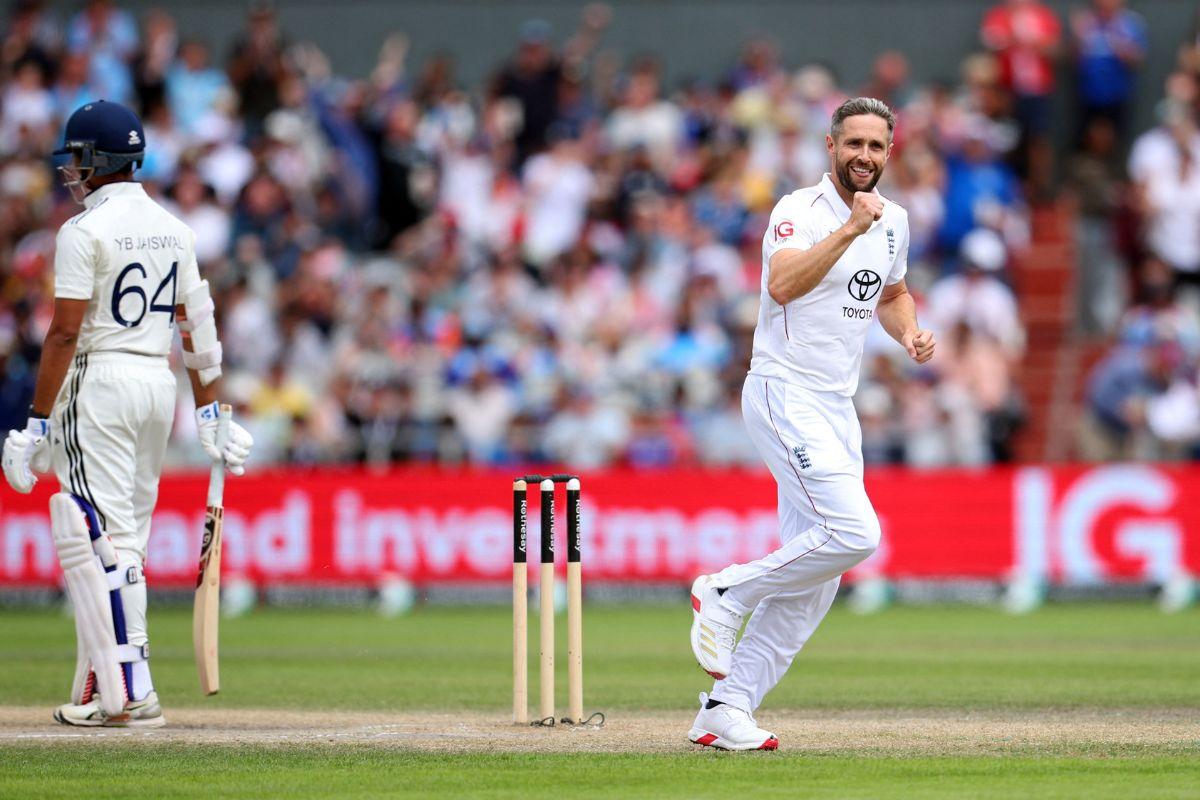
India's second innings began with opener Yashasvi Jaiswal and No. 3 bat Sai Sudharsan dismissed for ducks. This fragile start has been a recurring issue, putting the middle order under constant pressure.
Such top-order fragility has become a pattern and remains a major concern heading into the final Test.
Jaiswal, who already has a century in the series, is a portrait in inconsistency. He was pivotal in India's win in the second Test at Headingley with a half century, but has fallen off the rails in the last two Tests.
He has shown flashes of brilliance with his strokeplay but his technique is found wanting at times. Jaiswal has struggled against anything that is straighter and has been forced to play at deliveries, exposing his tentativeness early on.
The 23 year old also fails to show up when India are chasing targets.
His numbers this series read absolute dismal given that the pitches have been batting friendly. Although Jaiswal has a brilliant record against England, and an overall Test average of just over 50, he averages a poor 8 in the second innings overall.
Yashasvi Jaiswal This Series
| VENUE | 1st Innings | 2nd Innings |
|---|---|---|
| Headingley, Leeds | 101 | 4 |
| Edgbaston, Birmingham | 87 | 28 |
| Lord's, London | 20 | 0 |
| Old Trafford, Manchester | 58 | 0 |
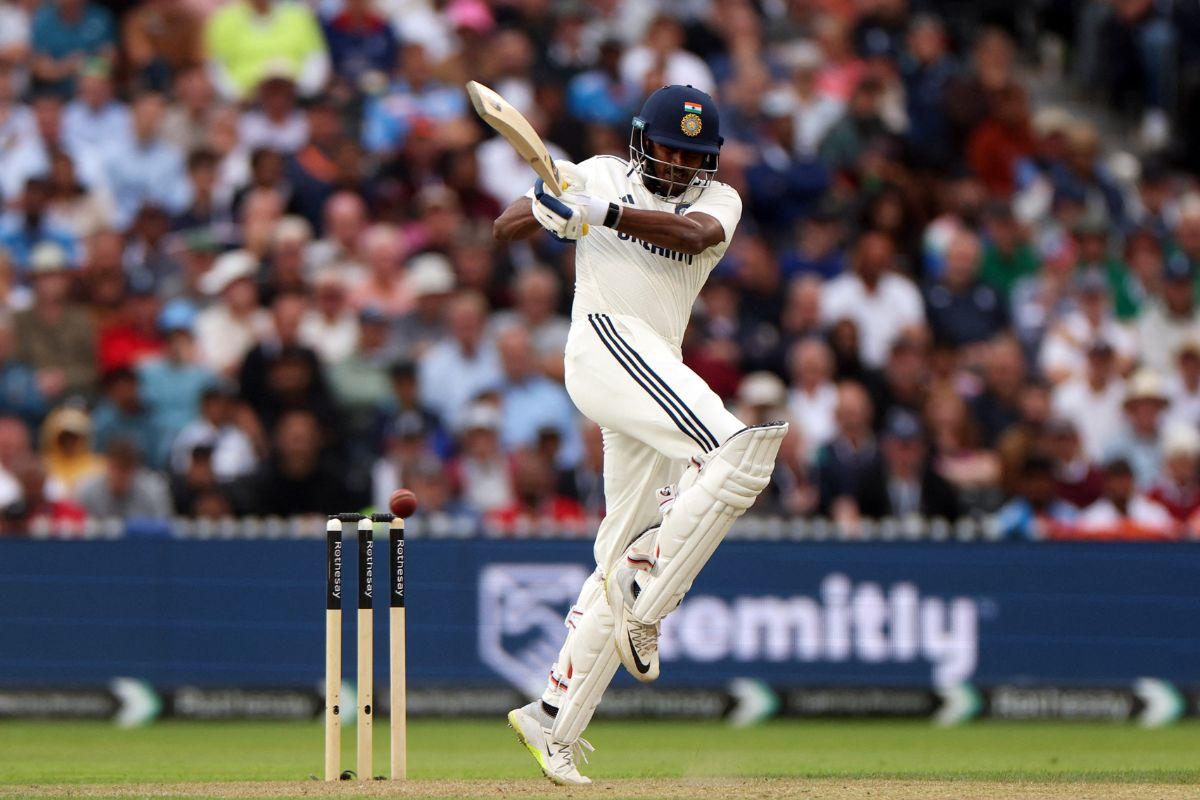
No. 3 batter Sai Sudharsan returning at Old Trafford, scored a gritty 61 in the first essay. He displayed solid technique en route his maiden Test half ton. But he was dismissed for a duck by Woakes in the 2nd innings.
Sudharsan was impressive against Archer and Stokes in the first innings, confident in his defence.
Although he has shown temperament and has the shots for a complete Test player, the 23 year old is still rough around the edges.
Getting trapped on the leg side is his Achilles heel and Coach Gautam Gambhir and Batting Coach Sitanshu Kotak will have the work on this aspect of Sudharsan's batting if India are going to consider him as a serious option at No. 3 for the long run.
Bowling Inefficiency in England's First Innings
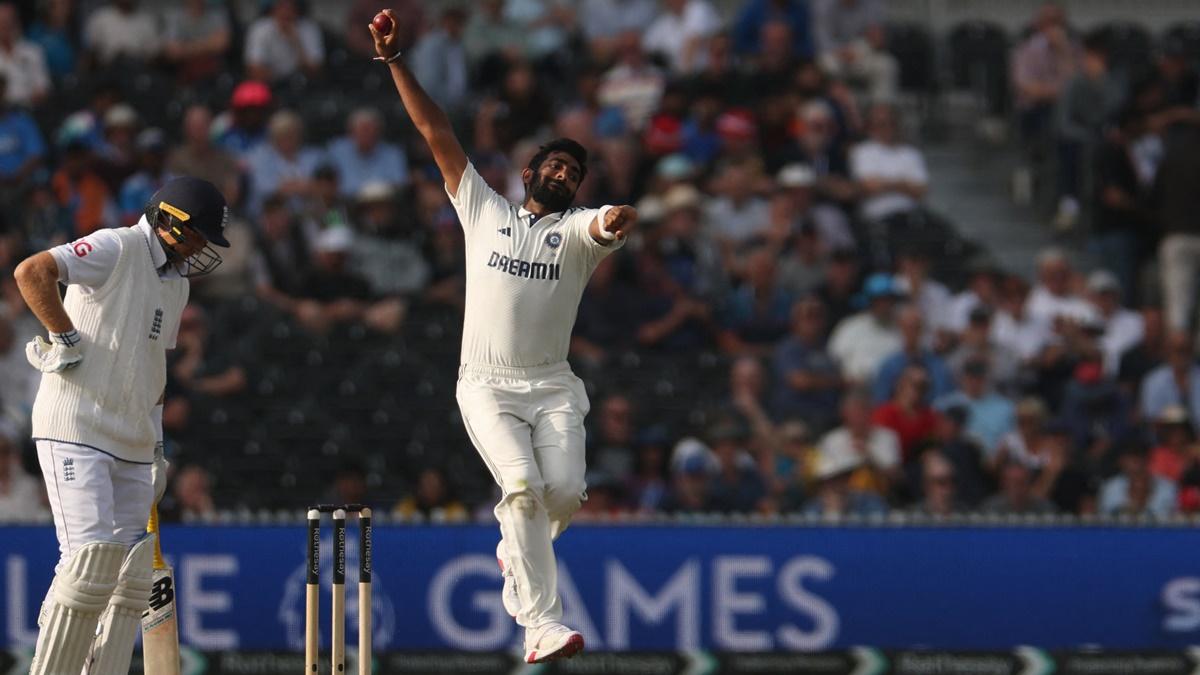
India's other major concern from the Manchester Test will be bowling.
England's massive first innings score of 669 exposed India's bowling frailties in particular the lack of penetration from the attack.
The attack looked toothless and lacked sting. They failed to generate movement or pace to trouble the English batters.
The bowlers' inability to control the run flow on a batter-friendly pitch allowed the hosts to build an imposing lead and dominate the middle part of the game. They allowed partnerships to flourish as Joe Root went on to score a commanding 150 and contributions from others down the order. The lack of variety in the attack also allowed Ben Stokes to get to a century.
What hurt India further was the inability to string together dot-ball pressure or build up to wickets. Too often, the bowlers erred in lengths or released the pressure with boundary balls.
The fatigue showed in their inability to break partnerships or stem the run flow.
Jasprit Bumrah did not look like his menacing self. His pace was and his average this series has been a torrid 42 against the top seven batters, and for the first time in his Test career, the 30 year old conceded 100 plus runs in an innings.
Mohammad Siraj looked tired and bowled way too many loose balls to trouble the batters. Shardul Thakur seemed like he was going through the paces as was debutant Anshul Kamboj, whose military medium bowling was anything but incisive.
Questionable Team Selection
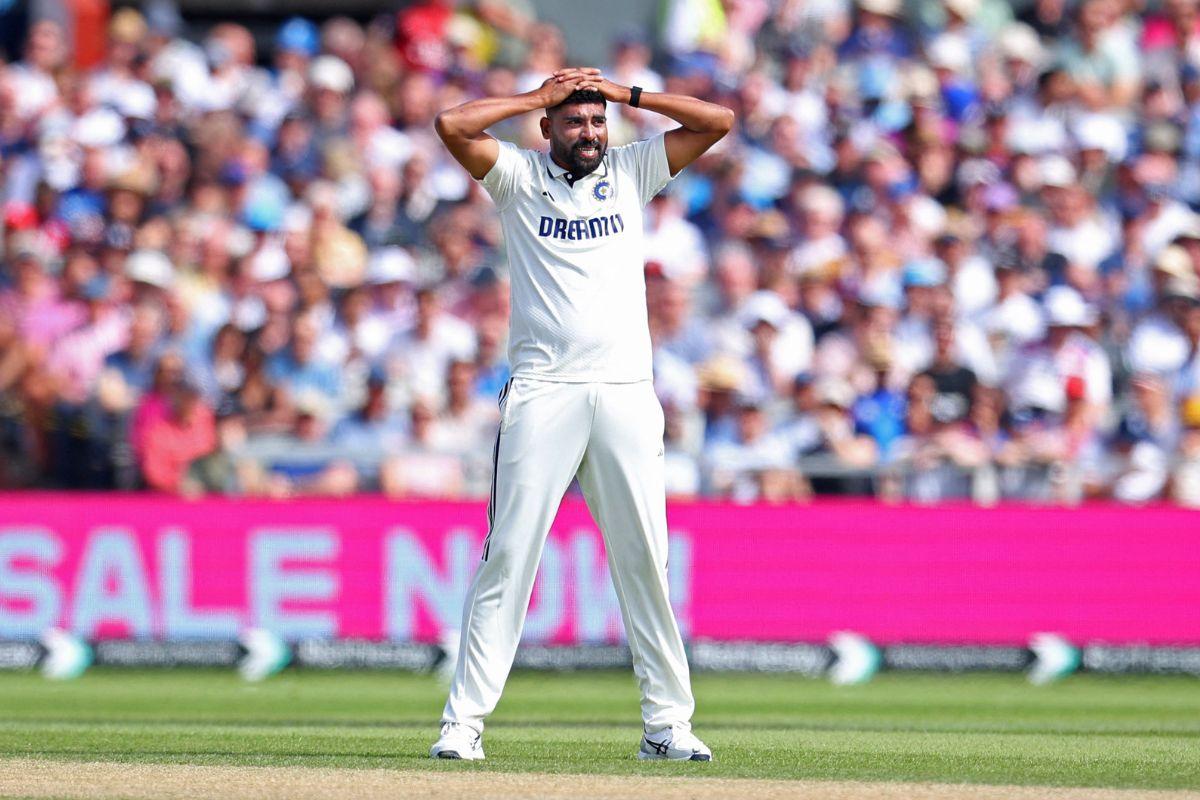
Ongoing concerns over team balance and selection persisted, especially with the absence of senior bowler Mohammed Shami and over-reliance on a few key pacers.
The over-dependence on Jasprit Bumrah and Mohammed Siraj showed. Both pacers bore the brunt of long spells without meaningful support.
The team also lacked a cutting edge in spin-friendly phases, raising questions about balance and bench rotation.
India's decision to go in with a pace-heavy attack with no genuine pace-bowling all-rounder or an attacking wrist-spinner proved costly. When the surface eased into a spin-friendly rhythm midway through Day 2, Ravindra Jadeja and Washington Sundar lacked the bite to cause sustained damage, exposing India's tactical inflexibility.
More glaring was the absence of bench rotation, especially after signs of fatigue and flat spells from the frontline bowlers
Cricket pundits suggested Kuldeep Yadav could have been more resourceful at Old Trafford.
Despite match-saving heroics with the bat, the team management's unwillingness to tweak combinations continues to raise eyebrows.











 © 2026