

This is the most open T20 World Cup in history.
The traditional powers are compromised. The new powers have gained strength, observes Faisal Shariff.

Key Points
- India are clear favourites due to home conditions and squad depth.
- Traditional powers like Australia and England look weak.
- South Africa, New Zealand and Afghanistan are serious contenders to win the T20 World Cup.
The 2026 T20 World Cup presents itself as the most diverse tournament which features both unpredictable strategic play and complete competition uncertainty.
India holds the position of strong favourites in this competition.

India's batting squad contains Abhishek Sharma, Suryakumar Yadav, Hardik Pandya, Rinku Singh and Ishan Kishan who all possess the ability to hit boundaries with ease.
Varun Chakaravarthy, Kuldeep Yadav, Axar Patel and Washington Sundar along with Jasprit Bumrah's pace expertise makes them suitable for the expected turning pitches in India and Sri Lanka.
The home field advantage exists as an actual phenomenon.
The team stands as the top contender because they play in their home stadia while their fans create loud noise and acknowledge their current outstanding performance.
The entire game can change through one exceptional spell of bowling, one winning batsmanship performance and one outstanding fielding play in T20 cricket.
The Traditional Powers Are Wounded
Australia arrive gutted. No Pat Cummins (back injury), no Josh Hazlewood (Achilles/hamstring issues), no Mitchell Starc.
Their pace battery which serves as their white-ball dominance base becomes less effective during situations that require them to adjust their game under spin-friendly conditions.
The format which England used to create as their first innovation now has India positioned as their superior team.
The breakdowns within the 'Big Three' create more than opportunities because they establish a complete entry point.

The Real Contenders
South Africa (2024 runners-up) and New Zealand (consistent high performers) and Afghanistan (masters of spin with bold attacking play) create a solid group of teams below the top level.
The combination of Rashid Khan and Mujeeb Ur Rahman on subcontinental pitches creates a frightening situation for Afghanistan even though Rashid's bowling effectiveness has ned slightly.
The South African team possesses fast bowling depth through their combination of Kagiso Rabada and Anrich Nortje and their young talent Kwena Maphaka who can perform well in any situation.
New Zealand just knows how to win knockout cricket.
Any of these three teams could lift the trophy on March 8 at Ahmedabad's Narendra Modi stadium.

Cricket's Greatest Diaspora Story
The tournament reaches beyond sports competition to become a fascinating event because the South Asian diaspora has created a new global cricket landscape.
The eight associate nations have 120 squad positions which researchers predict will have 50% to 60% of their players coming from India, Pakistan and Afghanistan. That's not a footnote. That's the story.
The entire 15-player Canadian squad consists of Indian descent players who mostly come from Punjab and Gujarat.
Canada Captain Dilpreet Bajwa, Navneet Dhaliwal, Ravinderpal Singh and Shivam Sharma developed their cricket abilities in Ludhiana, Ahmedabad and Jalandhar before they left to establish their own lives overseas.
Why Associate Nations Are No Longer Underdogs
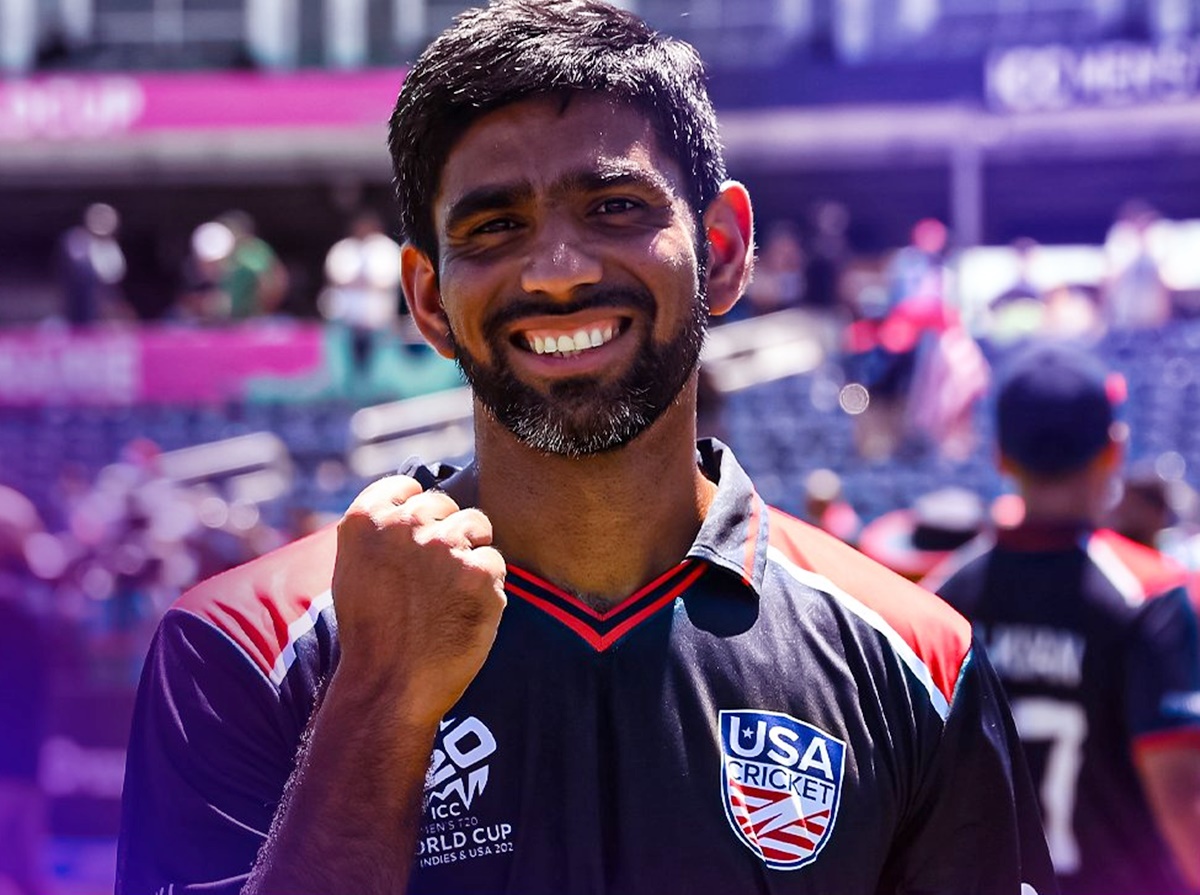
The USA features 10 players of Indian origin, including Captain Monank Patel (Gujarat) and Saurabh Netravalkar (India U-19).
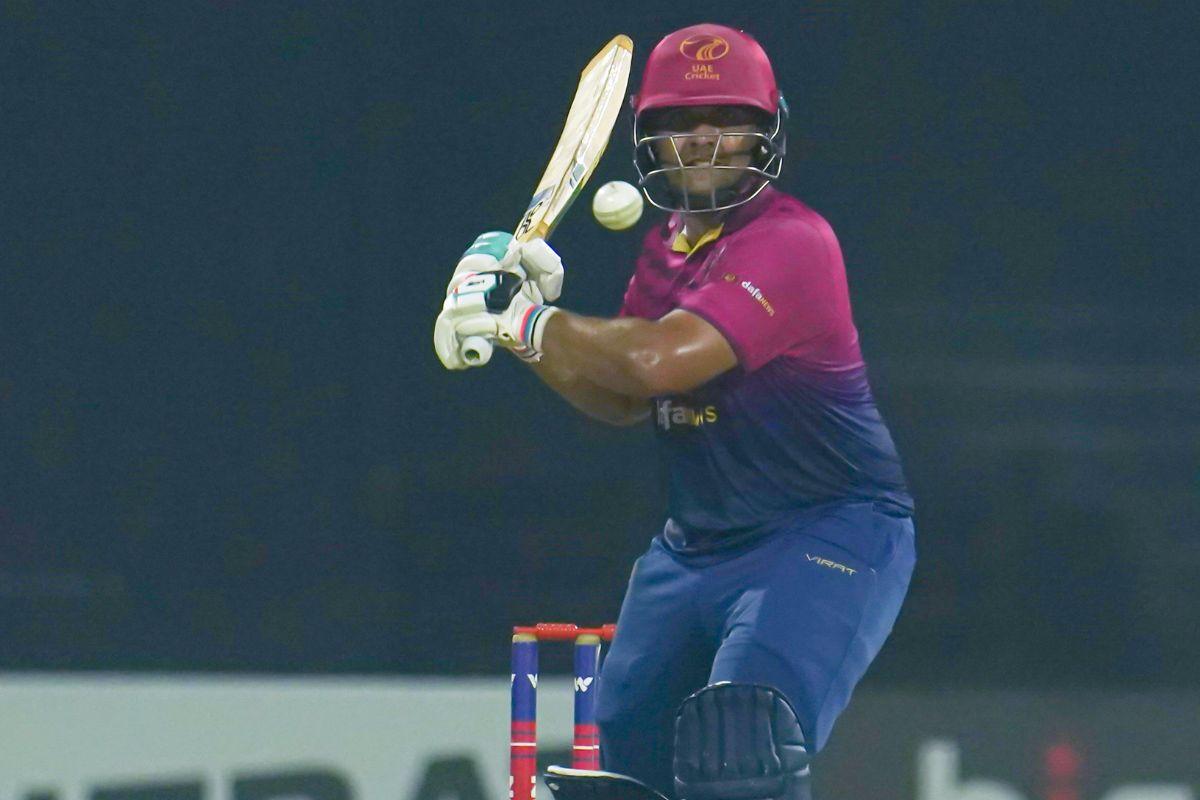
Oman and UAE? Predominantly expatriate Indian and Pakistani cricketers and their descendants.
The national league of Oman in 2010 had 13% Arab players but the remaining 87% consisted of South Asian immigrants.
The Italian national team which participates in its first World Cup tournament includes Jaspreet Singh from Phagwara, Punjab, as their pace bowler together with several players who have Pakistani and Indian ancestry.
The Scottish national team consists of Zainullah Ihsan who escaped Afghanistan as a refugee and Safyaan Sharif who has Pakistani roots because they faced extended visa approval delays when attempting to enter India.
This isn't migration. The game of cricket has achieved worldwide spread through this exact process.
The stories presented here do not show underdog success stories which award trophies for participation. This is something else entirely.
Think about what it takes to make it to a Ranji Trophy team in India.
You face competition from thousands in a nation where cricket functions as a national faith.
Your background of playing cricket on turning wickets has given you the ability to recognise a doosra and you possess experience in building successful innings during tense situations.
The statistics show your current age of 28 and your position at number 15 in the batting line-up while three teenage batsmen who average 60 in first-class cricket are ahead of you.
So you emigrate. Toronto, Dubai, Amsterdam, Texas. You construct your existence through weekend coaching duties and club cricket participation until you discover an available route to success.
I would choose to join a real league instead of the IPL. A national team. A World Cup.
The product quality remains at the same level. The position change in geography brings better career prospects to the employee.
These players possess technical abilities which they developed through their experiences in hot and dusty subcontinental environments.
A Format Designed for Upsets
The people in this group show hunger which career-oriented individuals might not experience at all. They've got something to prove.
The results demonstrate this. The Netherlands knocked over England in 2009, then did it again to South Africa in 2022.
The United States defeated Pakistan and the West Indies in a subsequent game in June 2024. Scotland came within a rain-affected match and one tight loss of making the Super 8s in 2024.
The situation differs from Cinderella because she does not wait for the slipper to match her foot. These are seasoned pros who took the scenic route to the ball.
The Format Amplifies Chaos
Twenty teams. Four groups of five. Top two advance to the Super 8s. The competition selected four candidates who will proceed to the semi-final competition.
In T20 cricket, any team can beat anyone on a given day. The margin between victory and defeat is often one over, one dropped catch, one brilliant review.
The league stage produces results which go beyond surprise outcomes because it creates particular probabilities of events happening.
Pakistan face a group with the USA, Namibia and The Netherlands alongside India. One bad day could derail any of them.
The group stage of England will include Italy, Nepal and Scotland and any of these teams could deliver an unexpected loss.
The World Cup's Greatest Irony
India remain favourites, deservedly so. But this is the most open T20 World Cup in history.
The traditional powers are compromised. The new powers have gained strength.
The Diaspora-driven associates deliver both technical expertise and native understanding of their environment and immigrant-driven motivation which creates a dangerous threat.
The beautiful irony? The players who failed to secure spots in the Indian national team could potentially stop India from achieving victory.
Cricketers who left Pakistan to find opportunity might eliminate Pakistan.
The establishment would experience surprise when Afghan refugees chose to represent Scotland.
That's not just sport. That's poetry.
Buckle up.
Feature Presentation: Rajesh Alva/Rediff











 © 2026