
Yami Gautam is enjoying a scenic vacay in Leh and Ladakh with husband Aditya Dhar and parents Anjali and Mukesh Gautam.

Equity investors suffered a massive loss of Rs 31 lakh crore on Tuesday as markets went into a tailspin with the BSE Sensex tumbling nearly 6 per cent as vote counting trends showed the BJP may not have a clear majority in the Lok Sabha polls. Erasing the record-rally of the previous trade, the 30-share BSE Sensex cracked 4,389.73 points or 5.74 per cent to settle at 72,079.05. During the day, the benchmark tanked 6,234.35 points or 8.15 per cent to hit a nearly five-month low of 70,234.43.

Besides, the ongoing war between Russia and Ukraine has also added another blow to FMCG makers as they expect a rise in the prices of wheat, edible oil and crude. Companies such as Dabur and Parle are watching the situation and will undertake calibrated price increases to mitigate the inflationary pressures.

While Nestle is negotiating with several A-listers for endorsement, Deepti Naval has taken the initiative.

Maggi's reach is now close to some three million outlets.
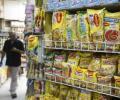
In 2019, the growth in sales of the Maggi brand of products surpassed the pre-ban level of 2014, in terms of both volume and value. While, Nestle raised prices of Maggi products by an average 3.1 per cent, its volume rose by 9.6 per cent year-on-year.

Players such as Food Bazaar, Reliance, More and Vishal have already launched their private labels in this category. Names such as Tasty Treat, Disney, Ching's, Smith & Jones from the Future Group stables and Reliance Select from Reliance Retail among others are challenging the market dominance of Maggi in terms of in-store purchases in these retail formats.

Companies from Nestle and ITC to Hindustan Unilever and Patanjali have pledged to reduce use of unhealthy ingredients by five to 50 per cent

Only Hindustan Unilever and Nestl bucked the trend.

Nestle aims to shed the 'food and beverages company' tag; enters rapidly-growing petcare market in India

Baahubali 2, made at an estimated cost of 200 crore, will earn more than 500 crores through commercial tie-ups alone, says T E Narasimhan.

The double-digit growth in itself is eye-popping, given the FMCG sector has seen low single-digit volume growth in recent times.

The deposit has been made on account of the rate reductions approved by the GST Council in its November. The rate was reduced on items including shampoo, detergents, chocolates, beauty products, sanitary ware, leather clothing, cookers, stoves, after-shave, deodorant, detergent and washing power. Companies found it difficult to pass on the benefits to consumers immediately at the time of GST rate reduction owing to logistical issues.

On August 13, Bombay High Court lifted the ban on nine variants of the fast food.

'We have done what we needed to do on behalf of the consumers'.

Arguments will continue on Thursday.

Having learnt their Maggi lessons hard way in 2015, the FMCG sector is desperately looking for a brighter new year with hopes pinned on revival in rural demand.
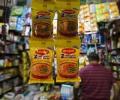
It was a disturbing message in the sense that the regulatory framework is not clear enough and is not always applied in a convincing manner.
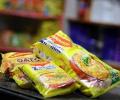
About 27,420 tonnes of Maggi noodles will end up in furnaces.
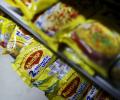
A year ago, Yippee had 14 per cent, according to industry.

Nestle on Monday started a market rollout of Maggi noodles.

To stay in the race for the long term, the company has to innovate continuously - something that MNCs and some of the home-grown Indian firms have been doing successfully, says Sangeeta Tanwar.

Growth in cities has lagged villages as consumers troubled by persistently high inflation have cut spending in the past two years.

Relaunched and indigenous brands fare better in India.

 © 2026 Rediff.com - Advertise with us - Disclaimer - Privacy Policy - Sitemap - Feedback - About us - Terms of use - Grievances