
NPPA will begin analysing pricing trends of 74 bulk drugs that come under the government-notified price-controlled list every quarter.
The National Pharmaceutical Pricing Authority has revised prices of 440 medicines. Around 300 medicines have seen price cuts, while the others have seen a hike, sources said. The extent of the revisions is not known as yet.
In a decision that would impact the entire pharmaceutical industry, the National Pharmaceutical Pricing Authority (NPPA) has fixed the prices of 130 common drugs and antibiotics.
Novartis India is up in arms against a two-month old decision of the National Pharmaceutical Pricing Authority to reduce the price of its flagship brand Voveran on public interest grounds. The annual sales of Voveran, the brand name for pain reliever medicine diclofenac, exceed Rs 100 crore and account for one-fourth of the company's total sales turnover. The company has filed a review petition with the chemicals and fertilisers ministry against the authority's decision.
The move brings an additional 15 per cent of the retail medicine market worth over Rs 4,000 crore (Rs 40 billion) under direct price control. All domestic companies, including drug majors like Ranbaxy, Cipla, Lupin and Dr Reddy's, have syrups and tonics in their product portfolio.
The price regulatory pharma body has set limits to the extent pharma companies can increase the price of medicines in a year.
Govt has given the medicine price regulating body a freedom to control prices of medicines.
This move is expected to benefit 22 lakh cancer patients in the country.
The National Pharmaceutical Pricing Authority has asked Cipla, the second biggest domestic drug maker, to pay Rs 748.27 crore (Rs 7.48 billion) as fine towards overcharging of controlled drugs.
Pharmaceutical companies which increase prices of their medicines beyond 10 per cent in a year will face regulatory action.
The new drugs to come under price control include commonly-used antibiotics and painkillers
The profit margins of multinational companies importing medicines into India have been hit with the National Pharmaceutical Pricing Authority starting strict scrutiny of price approval applications for imported products.
The government on Tuesday said the steps taken by the national pharmaceutical pricing authority for enforcement of prices fixed by it had resulted in recovery of an overcharged amount of Rs 80.08 crore (Rs 800.8 million) till October this year.
National Pharmaceutical Pricing Authority has for the first time fixed the prices of 27 formulation packs including 'Livadex' injection and 'Lederplex T liquid'.

The medical devices, which have been in high demand during the Covid-19 pandemic, will now see a drop in prices, as the earlier margins were up to 709 per cent for some of these products.
According to highly placed sources in NPPA, the reduction in prices following the latest exercise will range between six and 53 per cent.

NPPA's decision would also benefit domestic stent makers.

A summary of sports events and sports persons, who made news on Tuesday

Unlike India, the US is a free-pricing market.
The situation is severe in North India as most of the logistics operation was manned by migrant labourers from Uttar Pradesh and Bihar. The problem with manpower is not only in courier and delivery services, but also at a shop level.
In May, price growth for drugs was in negative territory at (-)1 per cent
The idea is to keep a close watch on real-time price movements, the maximum retail price of medicines and their availability.
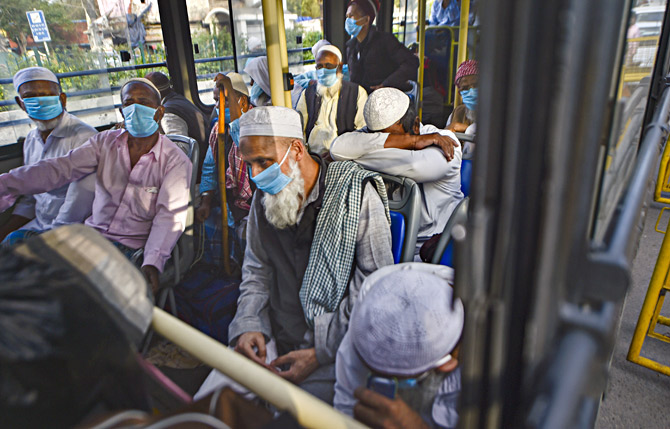
Joint Secretary in the health ministry Lav Agarwal said 154 new positive cases of the disease have been reported due to the transit-related history of those who attended the Tablighi Jamaat congregation. These include 23 new cases from Jammu and Kashmir, 20 from Telengana, 18 from Delhi, 65 from Tamil Nadu, 17 from Andhra Pradesh, nine from Andaman and Nicobar Islands and two from Puducherry.
.jpg)
The Drug (Prices Control) Order implemented in May last year brought into its purview 652 packs of 348 formulations.
The regulator is now probing 24 hospitals, including Max Hospital in New Delhi and Lilavati in Mumbai, for allegedly overcharging patients for stents

MicroPort entered the market on Feb 15 and its stent was used in a Mumbai hospital.

GSKAP takes care of all non-nutrition products whereas GSK Consumer Healthcare is a listed entity which deals only in nutritional products.

The drug pricing regulator on Tuesday said it will fix the ceiling prices of over 300 medicines by the end of this month, a move that will come as a major relief to patients.

The government regulates prices of all other medicines.

Top officers across various ministries participate in the meeting that started at 8 pm on Saturday. The meeting is currently underway. The country is currently witnessing a second and more severe wave of the pandemic.
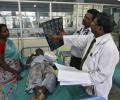
According to a senior government official, the plan is to do "collective bargaining" for certain medical devices and implants by assuring a bulk requirement to the manufacturers. "The requirement for these devices runs into millions. We assure them that the requirement is going to be in bulk. In return, they should offer us better rates," he said.
With these 18 drugs, the government now has brought in 467 medicines under the price control.
The intention of the government is to cap prices of drugs that are essential and which the public widely uses.
Povidone iodine ointment and solutions are available in the market under various popular brands such as Betadine and Wokadine.
 © 2026 Rediff.com - Investor Information - Advertise with us - Disclaimer - Privacy Policy - Sitemap - Feedback - About us - Terms of use - Grievances