
On the tenth anniversary of the Kargil conflict, the gun that did so much to facilitate that victory -- the 155 mm Bofors FH-77B -- could be staring at a major setback. With India's artillery modernisation programme already stalled, the plan to refurbish and upgrade India's old 155 mm FH-77B Bofors guns also seems headed for failure.
In a written reply to the House, Defence Minister A K Antony said, "As per the Defence Acquisition Council decision of October 2011, Ordnance Factory Board is to manufacture 155mm Howitzers."
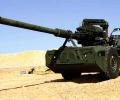
Will the low cost Israeli Athos gun scuttle India's ATAGS gun?
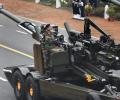
The 155-millimetre, 52-calibre Advanced Towed Artillery Gun System, which was successfully tested in Pokhran, demonstrated its potential to be a world-beating system.
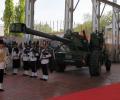
The artillery pounds targets and keeps the enemy's head down, preventing them from firing at attacking troops.

The army has long been deficient in artillery, the modern battlefield's most lethal killer, says Ajai Shukla.
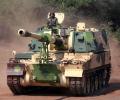
'Landmark developments herald the end of two decades of stagnation in the army's modernisation plans,' notes Brigadier Gurmeet Kanwal (retd).
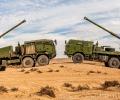
'We cannot understand why the government is facilitating the import of artillery when our indigenous guns are doing so well.'

Flexible, maneuverable, mobile and swift, the M-777A2 Ultra-Light Howitzers are just what India needed to replace its aging battle-tested Bofors guns, says Debalina Ghoshal.
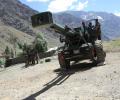
Accurate and sustained firepower against Pakistan during the Kargil War helped Indian soldiers to reduce the enemy to rubble.
 © 2026 Rediff.com - Advertise with us - Disclaimer - Privacy Policy - Sitemap - Feedback - About us - Terms of use - Grievances