
From the Sensex pack, Tata Consultancy Services and Infosys fell over 2 per cent each. Hindustan Unilever, Bharti Airtel, Sun Pharma, Power Grid, Bajaj Finserv, HCL Tech, Mahindra & Mahindra, and Tech Mahindra were also among the laggards. Among the gainers, Zomato jumped nearly 5 per cent. Larsen & Toubro, Axis Bank, ICICI Bank, IndusInd Bank and Kotak Mahindra Bank were also among the gainers.

From the 30-share blue-chip pack, Tata Steel, NTPC, Kotak Mahindra Bank, IndusInd Bank, Power Grid, Zomato, Adani Ports, Asian Paints, Mahindra & Mahindra and Reliance Industries were among the biggest laggards. Titan and Sun Pharma were the only gainers.

Benchmark BSE Sensex tanked 824 points to settle at a fresh seven-month low on Monday following heavy selling in IT and oil & gas shares amid weak global trends. The 30-share BSE barometer plunged by 824.29 points or 1.08 per cent to close at 75,366.17 with 23 of its constituents ending lower and seven with gains. During the day the index moved between a high of 75,925.72 and a low of 75,267.59.

Zomato acquired US-based rival Urbanspoon for about $60 million in one of the biggest overseas deals by an Indian startup

Ramping up globally, the Indian restaurant search service is going as local as possible in its markets to improve its brand's stickiness.

From the 30-share blue-chip pack, Mahindra & Mahindra, Zomato, Tata Motors, IndusInd Bank, Reliance Industries, Larsen & Toubro, UltraTech Cement, HDFC Bank, Adani Ports and Bajaj Finserv were among the major laggards. On the other hand, Hindustan Unilever, Tech Mahindra, Nestle, Bharti Airtel and ICICI Bank were among the gainers.

From the 30-share Sensex blue-chip pack, Tata Steel, Zomato, Larsen & Toubro, Tata Motors, Adani Ports, Tata Consultancy Services, HDFC Bank and NTPC were the major laggards. Nestle, Hindustan Unilever, Mahindra & Mahindra, Kotak Mahindra Bank, Asian Paints and Bharti Airtel were among the gainers.

Titan, Nestle, Hindustan Unilever, State Bank of India, Larsen & Toubro, ITC, Zomato and Bajaj Finserv were also among the laggards. Adani Ports, IndusInd Bank, Tata Motors and HDFC Bank were among the major gainers.

After new-age tech companies reported better-than-expected June quarter (Q1FY23) results, analysts said it will be a long road to recovery for their respective businesses and the stock prices. Moreover, brokerages differ on whether it is the right time to own these stocks. The common thread, however, that runs across most brokerages is Zomato, where they suggest buying the stock with the one-year target price ranging between Rs 60 - 115, translating into an upside of around 9 - 109 per cent from the current levels. The company's gross order value (GOV) of food delivery jumped 10 per cent quarter-on-quarter (QoQ) and 42 per cent year-on-year (YoY) in Q1, aided largely by growth in volume, and mild growth in average order value (AOV) at 1-2 per cent. The company also broke even on an adjusted Ebitda basis during the quarter.
Ask rediffGURU and PF expert Milind Vadjikar your insurance, stocks, mutual fund and personal finance-related questions.

The ride-hailing company will soon launch UberEATS, which has been testing food and grocery deliveries since 2014, in India. Alnoor Peermohamed reports.

From the 30-share blue-chip pack, Bharti Airtel, Power Grid, Bajaj Finance, Nestle, Mahindra & Mahindra, Reliance Industries, Asian Paints, IndusInd Bank, Hindustan Unilever and HDFC Bank were the biggest gainers. Bajaj Finance climbed nearly 2 per cent after the company reported an 18 per cent increase in its consolidated net profit to Rs 4,308 crore for the December quarter.

The latest acquisitions are a strategic move to establish Zomato's presence in central and eastern Europe.

Fresh capital raised by companies by way of initial public offerings (IPOs) is set to hit a 14-year high, thanks mainly to Zomato's maiden offering. India Inc has raised about Rs 19,300 crore in fresh capital by maiden offerings, including the Rs 9,000 crore the food delivery company will raise this week, so far in 2021. The best year in terms of fresh fund-raise was 2007, when companies had raised Rs 32,102 crore. With Paytm planning to issue fresh shares worth Rs 12,000 crore, the domestic market looks set to surpass that tally this year.

The partnership has been rolled out by Zomato to users in 27 cities across 13 countrie

In February, Zomato had said that it had become profitable in six regions, including India, after achieving operational break-even of its businesses.

Bajaj Housing Finance Ltd's impressive stock market debut has brought cheer to the 100-year-old Bajaj Group, but the conglomerate faces the prospect of Bajaj Finserv being removed from the benchmark Sensex index. According to market expectations, Trent, a Tata group-owned fashion retailer, is likely to replace Bajaj Finserv during the upcoming index rebalancing in December.

As quick commerce gains ground, emerging direct-to-consumer (D2C) brands are betting big on digital channels to drive growth. According to Aman Gupta, co-founder of wearables brand BoAt, new-age brands in India have been expanding at a much faster pace than expected, driven by digital channels like quick-commerce. "Investors doubted the potential of D2C brands when we started, but today there are multiple brands in the startup market that are growing on the shoulders of these digital channels," Gupta said while addressing a session at Razorpay's D2C and Retail Summit recently.

Swiggy is rapidly scaling up its technology (tech) teams as the food delivery giant is witnessing strong recovery and growth over the past few months. The SoftBank-backed company is hiring across engineering, product, design, analytics, and data science functions in the next two quarters. Building this team, Swiggy is setting up a new development centre in Gurugram. Its rival Zomato, which had a stellar debut on the Indian stock exchanges in July, is also headquartered in Gurugram.

Buying stocks during a dip, says Amar Nandu, research analyst, Samco Securities, can lead to higher compounding returns when the uptrend begins.

In its highest ever reduction in seller fees, ecommerce giant Amazon India has introduced zero referral charges on over 12 million products on its platform that are priced below Rs 300. The move is aimed at boosting seller growth on Amazon.in and supporting hundreds of thousands small businesses across the country.

From the 30-share blue-chip pack, Adani Ports jumped over 5 per cent. NTPC, Tata Steel, Bajaj Finserv, Zomato, Bajaj Finance, Tata Motors, State Bank of India, IndusInd Bank and Maruti were among the other big gainers. From the 30-share pack, Hindustan Unilever, Titan, Tata Consultancy Services, Infosys and UltraTech Cement were the other laggards.

According to police, the bike was in front of the car but the sequence of events which led to the accident is yet to be established and CCTV cameras are being scanned to ascertain the cause of the collision.

Finance Minister Nirmala Sitharaman on Saturday said the government will arrange identity cards and registration on the e-Shram portal to assist 1 crore gig workers. Presenting the Union Budget 2025-26, the finance minister also said a scheme for the socio-economic upliftment of urban workers will be implemented.
The latest update is on Zomato's fourth acquisition overseas this year.

From the 30 blue-chip pack, Mahindra & Mahindra, IndusInd Bank, Bajaj Finance, Tata Motors, Bajaj Finserv, Nestle and ICICI Bank were the biggest gainers. State Bank of India, Tata Steel, Adani Ports, Zomato, UltraTech Cement and HCL Tech were among the laggards.

From the 30-share blue-chip pack, Zomato cracked nearly 7 per cent. Power Grid, Adani Ports, Tata Steel, NTPC, Tata Motors, Tech Mahindra, Mahindra & Mahindra, Asian Paints, Sun Pharma and UltraTech Cement were the other major laggards. In contrast, Axis Bank, Hindustan Unilever, Tata Consultancy Services and IndusInd Bank were the gainers.

'We cannot enter any flat in Satguru building until the watchman gives us access.'

Net flows from domestic institutional investors crossed Rs 5 trillion for the first time during a calendar year.

On the cusp of launching its Rs 11,327 crore initial public offering (IPO) next week, food and grocery delivery major Swiggy believes quick commerce to be its future growth engine and anticipates that it will outpace its core food delivery business over the next five years. Currently, the quick commerce business of Swiggy - backed by Prosus and SoftBank - is 40 per cent of the size of its food delivery revenues.

From the 30-share Sensex pack, Mahindra & Mahindra, Larsen & Toubro, State Bank of India, Reliance Industries, ICICI Bank and Bajaj Finance were the biggest gainers. JSW Steel and Infosys were the laggards.

'Aamir is really competitive. I feel that also keeps him young.'

State Bank of India, Adani Ports, Tata Consultancy Services, ICICI Bank, Reliance Industries and PowerGrid were also among the laggards.
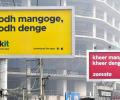
After making the model work in metro cities, players in the quick commerce sector are rapidly expanding their footprint into smaller tier 2 cities and markets beyond that ahead of the festival season.

Investors lost Rs 24.69 lakh crore in market valuation in the last four days of severe drubbing in the equity market. Spike in global crude prices, unabated foreign fund outflows, a strong US jobs data diminishing early rate cut expectations, and the rupee logging its steepest single-day fall in nearly two years dampened investors' sentiment.

The GST Council, in its meeting on Saturday, is likely to decide on reducing tax rates on life and health insurance premiums, while hiking it on high-end wrist watches, shoes and apparels, besides considering a separate 35 per cent tax slab for sin goods. The 55th meeting of the GST Council, chaired by Union Finance Minister Nirmala Sitharaman and comprising state counterparts, is likely to discuss rate rejig in about 148 items, besides, it will also deliberate on bringing Aviation Turbine Fuel (ATF), a major component for airline industry's operation cost, in the Goods and Services Tax (GST) fold.

The Karnataka government is planning to levy a fee of 1-2 per cent on aggregator platforms like Swiggy, Zomato, Flipkart, Amazon, Uber, etc., a government source said on Friday, adding that an announcement in this regard could come following a sub-committee meeting next week. "There is a sub-committee meeting scheduled in the coming week.

There's an average aggregator premium of Rs 46 per dish (in hidden costs) compared to delivery orders placed on restaurants' own channels. Conservatively, this translates into an additional annual financial burden of at least Rs 12,000 for the average Indian household in major metro/Tier-I cities.

'If you are watching cricket and don't want to leave the screen, you could check the menu and order through Zomato (or any other app) from a small part of your screen. That is what we are working towards.'
From the 30-share blue-chip pack, Zomato surged over 7 per cent. Maruti, ITC Hotels, ITC, Mahindra & Mahindra, Asian Paints, Titan and IndusInd Bank were among the biggest gainers. Power Grid, Larsen & Toubro, NTPC, UltraTech Cement, HCL Tech, Tech Mahindra, Infosys and Adani Ports were among the laggards.
