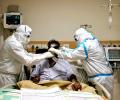
Delhi has been seeing a steady rise in coronavirus cases with official figures being pegged at over 19,000 on Monday. Delhi remains the third worst-affected state by the coronavirus pandemic -- only Maharashtra and Tamil Nadu have more confirmed COVID-19 cases. Amid this situation, here are scenes from Max Smart Super Speciality Hospital in New Delhi, where some 200 patients are being treated.

India also surpassed China's death toll with as many as 4,706 deaths, compared to 4,638, according to Johns Hopkins University data.

According to the ministry, five states are contributing 60 per cent of the total cases with Maharashtra at the top accounting for 21.6 per cent cases, followed by Andhra Pradesh with 11.8 per cent, Tamil Nadu 11 per cent, Karnataka 9.5 per cent and Uttar Pradesh 6.3 per cent.

Travellers coming from the United Kingdom to the national capital will have to undergo a seven-day institutional quarantine and a seven-day home quarantine even if they test negative for COVID-19 on arrival, Chief Minister Arvind Kejriwal announced on Friday.

There are 8,82,542 active cases of the infection in the country which comprises 20.99 per cent of the total caseload, the data stated.
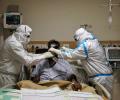
Insurance experts said since it may be difficult to set a tariff or fixed rates for Covid-19 treatment, an indicative rate chart has been proposed.
Maharashtra is the worst affected state with 59,546 cases.
All costs relating to room, boarding, nursing expenses, medical consultation including telemedicine, consumables such as PPE kits and intensive care unit will be covered under the policy. It will also include the cost of treatment for any other co-morbidities, including pre-existing comorbid conditions along with the treatment for Covid-19.

As worries over India's COVID-19 spike mount -- the country added 75,809 cases on Tuesday to take its tally to 42,80,422 -- scientists are grappling with the pivotal issue of antibodies and trying to understand how they impact on the progression of the disease.

'People who have already got diabetes or heart disease or high blood pressure seem to be more badly affected by the disease.'
 © 2026 Rediff.com - Advertise with us - Disclaimer - Privacy Policy - Sitemap - Feedback - About us - Terms of use - Grievances