
The value of the gold reserves increased $78.2 million to $22.764 billion

The rupee closed almost flat at 65.76 against the US dollar on some demand for the American currency from banks.
The rupee ended lower by six paise at 65.73 against the US dollar on Monday.
The domestic currency had lost 15 paise to close at 63.82 on Wednesday.

Foreign fund outflows and a lower opening in the domestic equity market, restricted rupee's gain.

The reserves had touched a life-time high of $426.028 billion in the week to April 13, 2018.

There was fresh dollar demand from banks and importers.
The rupee has declined by 24 paise in four days of losses.

Forex dealers said a higher opening in the domestic equity market also supported the rupee.

Dollar's strength against some currencies overseas capped the gains
The local currency had gained 7 paise to close at 66.57 in Monday's trade.

The rupee had dropped by 6 paise to close at 66.65 in Thursday's trade.

The US dollar surged to fresh one-year high after the Fed chief's testimony to the US Senate on Wednesday bolstered the expectations of interest rate hikes, though gradually.

The Indian currency on September 10 rose 141 paise
The Indian rupee continued its downward march and fell by another 48 paise to 46.53 against the US dollar in early trade on Tuesday owing to melting Asian stock markets amid heavy demand for the greenback.

The US dollar index, which measures the greenback's strength against a trade-weighted basket of six major currencies, was sharply higher by 0.62 per cent at 93.96.
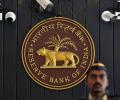
The Reserve Bank of India (RBI) is precariously balancing two opposing objectives - maintaining easy financial condition in the domestic market, while ensuring external stability - and economists have started taking note. They say India is going through the classic trilemma of the 'Impossible Trinity'. The RBI cannot have an independent monetary policy (setting domestic interest rates) in an environment of an open capital account and flexible exchange rates. What is even more complicated for the central bank now is that financial market stability overlays all the other three objectives.

The rupee on Friday closed 10 paise higher at 65 against the US dollar on fresh selling of greenback by banks.

Sale of dollars directly by the RBI can help but only temporarily for a day or two before it will be back to a volatile market.

At the Interbank Foreign Exchange market, the domestic unit commenced higher at 61.80 a dollar from previous close of 61.92.

The rupee had plunged by 19 paise to close at over 3-week low.
The rupee resumed lower at 63.65 per dollar as against previous closing of 63.58 at the Interbank Foreign Exchange (Forex) market.
The rupee had lost 21 paise on Tuesday's trade.

Rupee is seen strengthening against the dollar.

Weakness in the greenback overseas against the backdrop of sluggish US macro data outcome helped the home currency move higher

The Indian rupee on Friday rose for the fifth straight session against the Greenback and ended at 62.46.

Rupee falls 5 paise against dollar, ends at 61.92.

Persistent selling of the American currency by exporters and bank supported the rupee
The US dollar index, which tracks the greenback against a basket of six major currencies, was 0.38 per cent lower at 95.41.
Fresh demand for the American unit from importers put pressure on the rupee.

The currency had gained by 88 paise in the past seven days.

Strong foreign fund inflows, a weakening dollar and slipping oil prices propped up the local unit.

Rising for the fifth straight session, the rupee gained 9 paise at 66.31 against the dollar in early trade on Monday.

The Indian rupee was off to a bad start in the new year as it suffered the worst single-day drop in over two weeks today by falling 32 paise to end at 63.35 against the US dollar.

The rupee had shed one paise to end at one-month low of 61.74 against the US dollar in Tuesday's trade.

The local currency had gained 17 paise to close at three-month high of 66.37 in Wednesday's trade.
Fresh demand for the American unit from importers put pressure on the rupee.
Traders broadly expect the rupee to stay in a 61.50 to 63.50 range over the next three months.

The rupee continued its downslide for the second session in a row, depreciating by 20 paise to close at more than one-week low of 62.51 against the greenback.
Market opened higher tracking robust global cues amid strong foreign fund inflows.
 © 2026 Rediff.com - Advertise with us - Disclaimer - Privacy Policy - Sitemap - Feedback - About us - Terms of use - Grievances