
Trade, transport and hotels form a major part of the country's GDP and these sectors were crippled by the strike
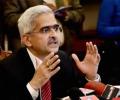
Stating that recent agriculture reforms have opened new opportunities, the RBI Governor said the farm sector is emerging as a bright spot.

Improved performance of manufacturing, services and trade sectors helped boost GDP

The 6-member Monetary Policy Committee, headed by Reserve Bank of India Governor Urjit Patel, in its fifth bi-monthly review, kept the repo rate unchanged at 6 per cent and reverse repo at 5.75 per cent.
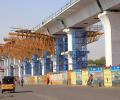
Investment in infrastructure was necessary for the economy, as power shortages, inadequate transport and poor connectivity affect overall growth performance, as per the Economic Survey 2019-20 tabled in Parliament by Union Finance and Corporate Affairs Minister Nirmala Sitharaman. "To achieve GDP of USD 5 trillion by 2024-25, India needs to spend about USD 1.4 trillion (Rs 100 lakh crore) over these years on infrastructure so that a lack of infrastructure does not become a constraint to growth," it said.
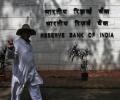
The supply-side driven inflationary pressures, from food or fuel prices, would be mitigated by a neutral stance and a prolonged pause on rates, says Gaurav Kapur.

The Reserve Bank is likely to cut the repo rate by 25 basis points (bps) after the Budget.

They believe that the key reason behind such a high growth rate could be "a steep downward revision" of the year-ago base period.
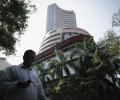
Risk sentiment received a boost after eight core sectors grew to a five-month high of 4.9 per cent in August

The CSO estimate is, however, a bit lower than 7.4 per cent growth projected by the Reserve Bank for the current fiscal.

The WPI has been in the negative zone since November.

Poor rainfall has also depleted water reservoirs levels, which is likely to impact the winter crops.

On one hand, Operation Greens should help to smoothen volatility in the prices of vegetables, whereas the proposal to enhance and extend minimum support prices to augment farmer incomes, may emerge as an inflation risk.

India needs to spread irrigation and do so against a backdrop of rising water scarcity and depleting groundwater resources

Loan waivers will never be enough. Reforming the agricultural marketing system is essential to addressing the concerns of farmers in a sustainable manner, says Nitin Desai.

RBI's latest rate cut is positive for the economy.

The GDP has been estimated at Rs 126.54 lakh-crore (Rs 126.54 trillion).

The GDP slumped to a three-year low lagging China for the second straight quarter -- as manufacturing slowed ahead of the GST launch amid demonetisation effect.

RBI expects the growth in the next fiscal to strengthen gradually, notwithstanding the significant headwinds.
Some say the MPC will raise the rate, while others are of the view that there is already de facto interest rate tightening through rising bond yields, which might prompt the central bank to go for a pause.
India Ratings principal economist Sunil Kumar Sinha said the Brexit is a mixed bag for the country.

Calling out the high real interest rates -- the differential between the policy rate and headline inflation -- as an impediment to investment, the SBI report said the RBI can cut rates by 0.35-0.50 per cent at its next policy announcement.

'We will have to wait for one more year to cross the 7% mark, which should be possible in the absence of any disruptive reform,' points out CARE Ratings Chief Economist Madan Sabnavis.

The change in the baseline for IIP and WPI, currently at 2004-05, is expected to bring in more accuracy in mapping the level of economic activity and calculating other numbers like national accounts.

India's economic growth accelerates to 7.4% in Sept quarter

Sustained growth only if domestic manufacturing rises

On the controversy surrounding the GDP numbers based on new calculations, he said statisticians have done as good a job as they can and economic growth is significantly high as costs have come down

Impact of lack of significant investments in the last 4-5 years; inability of private sector to put in fresh capital with availing of loans becoming an issue due to rising NPAs of banks, along with demonetisation were mainly responsible for dampening growth, he said.

The labour force fell from 43.97 crore in 2016-17 to 42.61 crore in 2017-18
If the real economy is indeed looking up, then it no longer needs hand-holding and fiscal laxity

The six-member monetary policy committee voted 5:1 for the decision, with only Ravindra Dholakia voting for a 0.25 per cent reduction in rates.

Interest rate sensitive stocks gain ground post decision

The new IIP series based on the new base year, is expected to lead to better capturing of ground data

A combination of farm loan debt waivers by state governments and the implementation of the pay commission award could entail some fiscal slippages and pose a risk to inflation

Assocham expressed concern over the precarious situation that the manufacturing sector is in, observing that if the trend does not reverse with monetary and fiscal measures it would be difficult for the industry to generate jobs.

Most employment surveys suffer from drawbacks such as limited data coverage, infrequent data collection, and time lag

Economic Survey says Services Sector Negotiations at WTO Crucial.

The economists, who were surveyed, also felt it will take time for banks to make any further reduction in deposit rates

RBI Governor Raghuram Rajan has noted the contradiction.

Market breadth depicted gains with 1,476 advances over 1,403 declines on the BSE. 140 stocks remained unchanged.
