
High-end brand experiments with EMIs via credit cards to push market share.
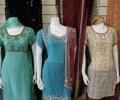
In October 2012, Flipkart entered the menswear segment; later it launched a womenswear range
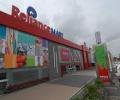
Reliance has around 100 Delight stores in the country.
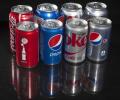
PepsiCo has tie-ups with KFC, Pizza Hut, Domino's, Burger King, and Subway in India, while Coca-Cola has a partnership with McDonald's only

Exporters say their capacity utilisation has reached almost 70 per cent and that big firms have brought it up to as high as 85 per cent.

Bombay Dyeing is betting on creating a range of unique, customised textile products, a route that is largely unexplored by the home textiles players although several industry reports and consumer behavior studies have talked about the potential for personalisation.
There are also talks of branded garments being put under the luxury tax slab, which could be higher than 18 per cent.

Which sectors will bounce back fast? Which will lag? Has the consumer changed forever? Here are some answers.

Sales have picked up in the past few days for retailers in the apparel and consumer durables segments.
The US-based firm has marked down the value of Flipkart for the sixth time, the latest at a time when it has been struggling to raise funds at a valuation higher than or equal to $15.2 billion.

Both Indian firms have been in talks with investors for nearly a year to raise fresh funds of as much as $ 1 billion, but with little success so far.

China accounts for more than one-third of the apparel export market

Online grocers like Bigbasket and localbanya witness surge in sales.

VIP Industries, the second largest luggage manufacturer in the world, is using the theory of constraints to improve its profits, reports Ritwik Sharma.
Feel the pinch of predatory pricing by e-tailers

The Bansals losing out operational control of Flipkart comes at a time when global rival Amazon, in which Tiger Global holds a minority stake, is stepping up investment in India in an attempt to overtake the Bengaluru-based e-commerce firm.

E-commerce model appears to be the best bet available to US retail giants at this point to tap the Indian market.

Market experts say that of the total 600,000 villages in India, under two per cent or around 10,000 villages contribute to about half of the rural consumption in the country. Targeting these villages and ensuring that penetration is strong is key for most consumer goods companies.

Among the top 10 fastest growing consumer brands in the country, Yellow Diamond leverages the growing preference for local flavours in the snacks market, says Samreen Ahmad.
Rupee depreciation pushes apparel exporters' margins by 5-7%.

Yum reduced the number of restaurants in India by 14 in the September quarter from the preceding quarter to 811.

The war is on! Ritwik Sharma finds out what's next for the beauty retailer.

In its first acquisition in India, the American online retail giant is planning to buy out the fashion portal

Unlike some of India's largest online retailers like Flipkart, Amazon, Myntra and Jabong, which are very secretive about their data and use it to cut better deals with brands than their competitors, the Nykaa monetising its insights. If it is is able to do so without giving away any of its advantages to competitors, it could be on to a winning model.

Reliance had been trying to bring the brand back to the forefront recently, after years of lull, through new ad campaigns highlighting a youthful range, called Unformal, in workwear.

Feedback has led the brand to ramp up its shirts collection, despite the popularity of its polo t-shirts.

AND, W, Biba step up their game worldwide. While global brands go all out to woo India customers.

Raymond claims to be spending more than 10 per cent of its ad budget on its biggest campaign, called The Summer of Wool.

It took the Aditya Birla group four years to make up its mind on entering the the burgeoning e-commerce market in the country.

Almost two years after it entered India, global fashion retailer Gap struggles to keep up with rivals Zara and H&M.

The Swedish fashion-retail brand cracks open the Indian market faster than its competitors, gaining from an aggressive pricing and retail policy.

The idea that technology and startups with newer business models will not disrupt traditional businesses has been thrown out the window.

Its growth has been driven by discounts rather than enticing new customers to its platform

It reverses the supply chain to customise part of its line-up, but the challenge is in sustaining it.

Mumbai-based LocalBanya is looking to expand to Pune and Delhi as part of its growth strategy.

In this industry, a company's strategy needs to be adaptable in order to keep up with the pace of change.
 © 2026 Rediff.com - Advertise with us - Disclaimer - Privacy Policy - Sitemap - Feedback - About us - Terms of use - Grievances