While most of these commanders quit the airline for better prospects, some of them also parted ways due to the work culture
IndiGo which has close to 40 per cent market share, at present has 129 aircraft and operates 883 daily flights to 44 destinations. It also has around 400 aircraft on order.

With IndiGo executing its long haul low-cost plans the airline will certainly need a lot of cash going forward.

At the heart of the strategy is the basic fundamental of keeping costs for long-haul flights low.
Analysts have questioned the Aditya Ghosh-led company's negative net worth due to a huge dividend payout ahead of an IPO.
Based on the Skytrax ranking for 2018, IndiGo is number two among the best low-cost carriers in Asia, behind rival AirAsia.
"The return fare on economy class to most European capitals from Mumbai are close to 50,000 plus. If an LCC can offer direct connectivity for a basic fare of 25,000 with additional top ups for meals, baggage and blankets, which further takes the fare to, say, 35,000, it is still a value deal."

Whatever the final outcome of this unhappy episode, one thing is clear: a glass once cracked cannot be fixed. The trust is gone forever and the relationship between two old friends lies in tatters. For now, IndiGo, the airline, will have to learn to soar with two angry and distracted commanders, says Anjuli Bhargava.
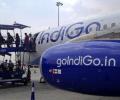
IndiGo is arguably more a financial services company than airline.
IndiGo's ascent is not without its risks, however.

A majority of India's billionaires gained wealth in the last one year in spite of the stock market decline.
 © 2026 Rediff.com - Investor Information - Advertise with us - Disclaimer - Privacy Policy - Sitemap - Feedback - About us - Terms of use - Grievances