
In October, MSI recorded domestic sales of 96,002 units compared to 51,458 units in the year-ago period, registering a rise of 86.56 per cent, it added.

The company had sold 85,565 units in the same month last year.

The company had posted a net profit of Rs 465.85 crore (Rs 4.65 billion) in the April-June period in 2008, Maruti Suzuki India said in a filing to the Bombay Stock Exchange.

Amid challenging market environment, Maruti Suzuki India and Mahindra & Mahindra reported an increase in vehicle dispatches to dealers last month while Tata Motors and Hyundai saw a year-on-year drop in sales.

The Baleno is among the top selling cars with unserviced bookings of 55,000 units.
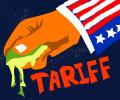
India needs to come together to deal with the 50 per cent punitive US tariffs on Indian products and stand up to any kind of bullying, Maruti Suzuki India chairman R C Bhargava said on Thursday. "It is our duty as Indians to do our very best to promote and maintain our dignity and respect and not give in to any kind of bullying in this matter... the nation has to stand united," Bhargava said at the company's 44th Annaul General Meeting in New Delhi.

Maruti Suzuki India said it would be investing Rs 1,250 crore (Rs 12.50 billion) to double capacity at its K-series petrol engine unit in Gurgaon to 500,000 by 2012.

The country's largest carmaker Maruti Suzuki India on Tuesday reported 17.8 per cent increase in net profit at Rs 802.2 crore (Rs 8.02 billion) for the third quarter ended December 31, 2014

Among Sensex shares, Sun Pharmaceutical, Tata Steel, Trent, Bajaj Finance, Mahindra & Mahindra, Bajaj Finserv, Reliance Industries, Axis Bank, Tech Mahindra, Adani Ports, Titan, BEL, and Larsen & Toubro were the major laggards. However, Hindustan Unilever, Maruti Suzuki India, ITC, Tata Consultancy Services and UltraTech Cement were the gainers.

The country's largest carmaker Maruti Suzuki India (MSI) on Thursday reported 2.04 per cent increase in its consolidated net profit for the second quarter at Rs 1,419.6 crore on the back of higher sales. The auto major had posted a net profit of Rs 1,391.1 crore in the July-September quarter of the previous fiscal.
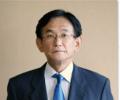
The appointment will be effective from April 1.

India's biggest car maker Maruti Suzuki said on Tuesday that its vehicle production in September will tumble by 60 per cent due to chip shortage. The company, which had earlier cut down production at its Gujarat plant, said the chip shortage will hit production in Gurugram and Manesar plants, effectively forcing the automaker to cut production by 60 per cent. Owing to a supply constraint of electronic components due to semiconductor shortage, the company is expecting an adverse impact on vehicle production in September in both Haryana and its contract manufacturing company, Suzuki Motor Gujarat Pvt Ltd. (SMG) in Gujarat.
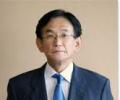
A law graduate from Osaka University, Ayukawa has been associated with Suzuki Motor for over three decades.
In what would be a generational change in its engine technology, India's largest car manufacturer Maruti Suzuki has decided to introduce the new K-series petrol engine in all its cars in India in the next three to five years, according to the company's annual report for 2007-08.

LIC sold a total of 58,29,103 shares of the company aggregating 2.018 per cent stake between August 24, 2009 and November 11, 2012 through the open market, Maruti Suzuki India said in a filing to Bombay Stock Exchange.

Among the Sensex firms, Mahindra & Mahindra jumped the most by 5.96 per cent. Bajaj Finance, Bajaj Finserv, Trent, ITC and HDFC Bank were also among the gainers. However, Maruti Suzuki India, Bharat Electronics, HCL Tech, NTPC, Power Grid, Infosys and Reliance Industries were among the laggards.

The country's largest car maker Maruti Suzuki India on Monday said its cumulative exports have crossed one million units with the milestone car headed for Denmark.
The country's largest carmaker, Maruti Suzuki, on Thursday reported 9.95 per cent decline in sales during December last year at 56,293 units against 62,515 units in the same month of 2007.
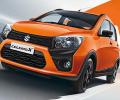
The country's largest carmaker Maruti Suzuki India (MSI) on Tuesday reported 6.14 per cent decline in consolidated net profit at Rs 1,241.1 crore for the fourth quarter ended March 31, 2021. The auto major had posted a net profit of Rs 1,322.3 crore in January-March quarter of 2019-20, MSI said in a regulatory filing. However, revenue from sale of products stood at Rs 22,959.8 crore as compared with Rs 17,187.3 crore earlier, up 33.58 per cent.

Maruti Suzuki India on Monday said the production at its plant in Gurgaon has been impacted due to strike at Suzuki Powertrain India Ltd (SPIL), which supplies engines to MSI.

The domestic car sales volume of the company is also growing at 15%

Between January and August 2025, over 65,000 units of the Bolero were sold, making it the third-highest contributor to Mahindra's overall SUV sales. Bolero annually achieves sales of over 1 lakh units.

Mahindra & Mahindra plans to manage rare earth magnet supplies through alternative sourcing channels for the next nine months and will pursue 'engineering efforts' to address the raw material shortage situation amid growing product portfolio, according to a senior company executive. The imposition of export restrictions by China on key rare earth magnets has resulted in supply chain bottlenecks, impacting the user industries, including the auto and electronics sectors.

Nissan, Japan's fourth-largest car manufacturer, sells MSIL's A-Star as Pixo, an entry-level car, in Europe.

Maruti Suzuki India on Tuesday said it has commenced export of its sports utility vehicle Fronx to Japan. The first consignment of over 1,600 vehicles left for Japan from Gujarat's Pipavav port, the country's largest carmaker said in a statement. Fronx will be the first SUV from Maruti Suzuki stable to be launched in Japan, it added.

"Currently work is going on for developing a diesel engine for mid-sized sedans. Our engineers are developing it internally and we are hopeful of getting it ready by mid (of) next year," said MSI Managing Director and CEO Shinzo Nakanishi.

Maruti's results and the investor response indicate that quite a few stocks in the auto sector could be on the verge of a big bounce, says Devangshu Datta.
The move offers flexibility in compliance but also places penalties squarely on the designated manager of such a pool.

Car maker Maruti is hoping to improve margins.
As part of this cost-cutting exercise, the company has initiated measures to step up localisation levels and to pare the number of tier-I suppliers over the next two-three years.
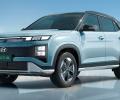
Long standing number two passenger vehicle maker in India, Hyundai Motor India, has slipped to fourth position in the domestic market in terms of retail sales last month behind Maruti Suzuki India, Mahindra & Mahindra and Tata Motors, as per the latest data shared by dealer's body FADA. Hyundai Motor India clocked retail sales of 38,156 units last month, a dip of 20 per cent as compared with 47,540 units in February last year.
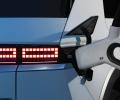
India may see its busiest EV festive season in 2025 with SUVs, luxury cars and scooters set to launch, but rare-earth supply bottlenecks risk delaying rollouts.

Maruti Suzuki India (MSI) on Wednesday reported over two-fold jump in its consolidated net profit to Rs 1,036 crore for the first quarter ended June 30, mainly due to a low base in the year-ago period. The auto major had posted a net profit of Rs 475 crore in the COVID-hit April-June quarter of the last fiscal. Its net sales rose to Rs 26,512 crore in the June quarter compared to Rs 17,776 crore in the same period of 2021-22.

In terms of volumes, sales were down by 9.98 per cent to 266,343 units.

The company's net sales rose about 12 per cent to Rs 1,465 crore (Rs 14.65 billion).

'Some buyers get carried away by festival offers and purchase higher variants or larger vehicles than they truly need, which impacts running cost and long-term affordability.'
The three companies would jointly invest in setting up a manufacturing unit at Manesar in Haryana, expected to be operational by end of calendar year 2008. The facility, when fully operational, would have a capacity to produce five lakh units per annum, MSIL said in a statement.
The decision to add capacity comes at a time when most auto majors have been resorting to production cuts.
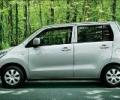
Maruti Suzuki, the market leader in the passenger car market in India is betting big on the A2 segment which is the biggest contributor to the overall passenger car sales in the country.
