
The government has been stringent with pricing changes. Prices of 651 essential medicines came down from April 1, 2023 by 6.73 per cent with the government capping ceiling prices of these drugs.
In contrast with their strong performance in 2020 and 2021, pharmaceutical and healthcare funds experienced a decline in 2022, with returns plummeting by an average 9.8 per cent. This trend has continued in the current year, with year-to-date return remaining in the negative (-4.9 per cent). In the past three months, pharma funds have been hit hard, experiencing a 7.9 per cent decline.

The medical devices, which have been in high demand during the Covid-19 pandemic, will now see a drop in prices, as the earlier margins were up to 709 per cent for some of these products.

The drug pricing regulator on Tuesday said it will fix the ceiling prices of over 300 medicines by the end of this month, a move that will come as a major relief to patients.
It will bring 348 essential drugs under price control.
Replying to supplementaries during Question Hour in the Lok Sabha, minister of state for chemicals and fertilisers Srikant Jena said the National Pharmaceutical Pricing Authority has been asked to look into demands for bringing 23 anti-cancer drugs within the ambit of price control.
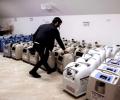
The government has capped the trade margin on oxygen concentrators at 70 per cent in order to keep in check the price of the much in demand critical life saving component amid the second wave of the coronavirus pandemic. The trade margin has been capped at 70 per cent on price to distributor level on oxygen concentrators. In an official release, the chemicals and fertilisers ministry said the decision has been taken in view of the extraordinary circumstances arising due to the pandemic which has resulted in volatility in Maximum Retail Prices (MRP) of oxygen concentrators.

The National Pharmaceutical Pricing Authority has revised prices of 440 medicines. Around 300 medicines have seen price cuts, while the others have seen a hike, sources said. The extent of the revisions is not known as yet.
The profit margins of multinational companies importing medicines into India have been hit with the National Pharmaceutical Pricing Authority starting strict scrutiny of price approval applications for imported products.
The government on Tuesday said the steps taken by the national pharmaceutical pricing authority for enforcement of prices fixed by it had resulted in recovery of an overcharged amount of Rs 80.08 crore (Rs 800.8 million) till October this year.
According to highly placed sources in NPPA, the reduction in prices following the latest exercise will range between six and 53 per cent.

NPPA's decision would also benefit domestic stent makers.

The National Pharmaceutical Pricing Authority has decided to have one price for basic utility condoms and the other for pleasure condoms.
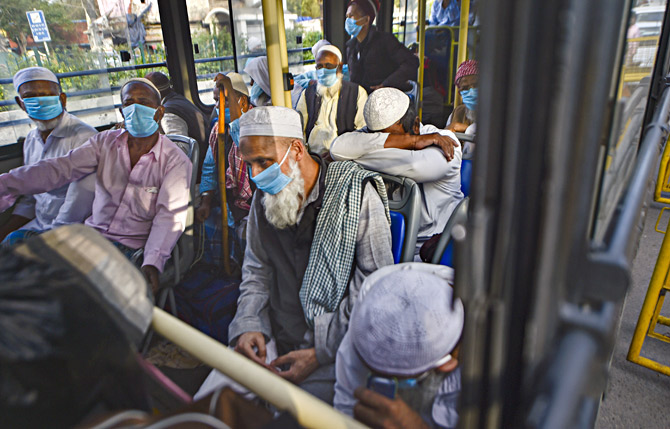
Joint Secretary in the health ministry Lav Agarwal said 154 new positive cases of the disease have been reported due to the transit-related history of those who attended the Tablighi Jamaat congregation. These include 23 new cases from Jammu and Kashmir, 20 from Telengana, 18 from Delhi, 65 from Tamil Nadu, 17 from Andhra Pradesh, nine from Andaman and Nicobar Islands and two from Puducherry.

The regulator is now probing 24 hospitals, including Max Hospital in New Delhi and Lilavati in Mumbai, for allegedly overcharging patients for stents
.jpg)
The Drug (Prices Control) Order implemented in May last year brought into its purview 652 packs of 348 formulations.

GSKAP takes care of all non-nutrition products whereas GSK Consumer Healthcare is a listed entity which deals only in nutritional products.

The government regulates prices of all other medicines.
With these 18 drugs, the government now has brought in 467 medicines under the price control.
The government said that "in exercise of extraordinary powers in public interest, conferred by paragraph 19 of the DPCO, 2013", the ceiling prices of 21 key formulations had been increased. These formulations include common medicines like BCG vaccines, penicillin, malaria and leprosy medicines (Dapsone), life-saving drugs like Furosemide (used to treat fluid build-up due to heart failure, liver scarring, or kidney disease), vitamin C, some common antibiotics, and anti-allergy medicines.
Povidone iodine ointment and solutions are available in the market under various popular brands such as Betadine and Wokadine.

Drug major Novartis has been slapped with a Rs 300-crore penalty by drug regulator NPPA for overcharging consumers on sale of Voveran, its best-selling painkiller medicine.
Some of the proposals (for example trade margin calculation for imported medical devices) were not approved by the PMO and were sent back for revisions.
.jpg)
Firms are mandated to change prices of medicines within 45 days of NPPA's notification.

The investigation against HUL was initiated on the basis of an anonymous complaint. It alleged 'profiteering' of around Rs 535 crore between November 15, 2017, and February 28, 2018.
Currently, the govt directly caps prices of 348 formulations at the average price of all medicines in a particular segment with at least 1% market share
There may be shortage of drugs till pharmaceutical companies supply new batches with revised MRPs.

To keep price control to a minimum, the government can act in two areas where it has not done so far.

The latest price revision includes mostly cardiovascular drugs, anti-bacterials, anti-herpes, contraceptives and gastrointestinal medicines

Medicines, including antibiotics, contraceptives and anti-diabetic drugs, were found to be out of stock at various places around Delhi.
For the poorest 20 per cent of Indians, the expenditure on medicines alone is 85 per cent of what they spend on their health, according to the National Sample Survey.
 © 2026 Rediff.com - Investor Information - Advertise with us - Disclaimer - Privacy Policy - Sitemap - Feedback - About us - Terms of use - Grievances