

Nineteen years later, remembering how terror struck Mumbai's lifeline on July 11, 2006.
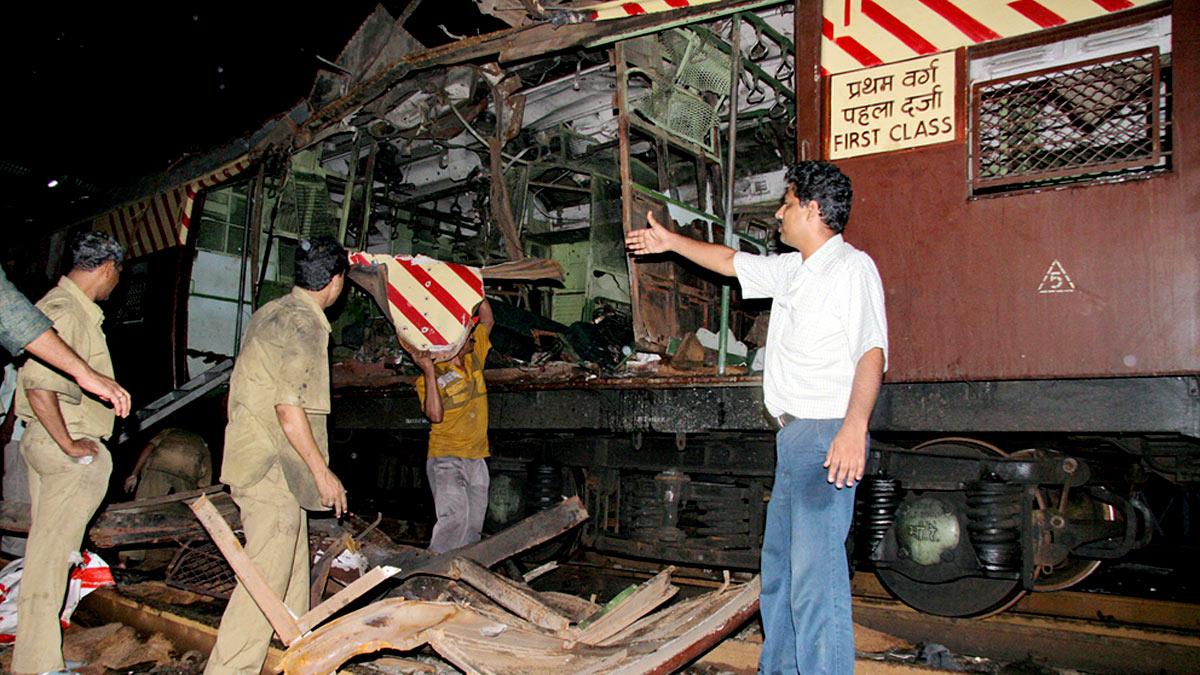
In just 11 minutes, Mumbai's heart stopped beating.
On July 11, 2006, seven bombs packed in pressure cookers tore through first-class coaches on the city's packed Western Line, turning evening commutes into carnage.
At Mahim, Bandra, Khar, Jogeshwari, Borivali, Matunga Road and Mira Road, metal twisted and bodies fell -- 188 dead, over 700 injured.
As Rediff's haunting reports later showed, the attacks were coldly timed for rush hour, designed to slice through Mumbai's lifeline.
Nearly a decade on, the courts sentenced 12 men linked to Lashkar-e-Taiba and SIMI. But for countless survivors, the wounds of that night never closed.
The horror that unfolded on Mumbai's lifeline
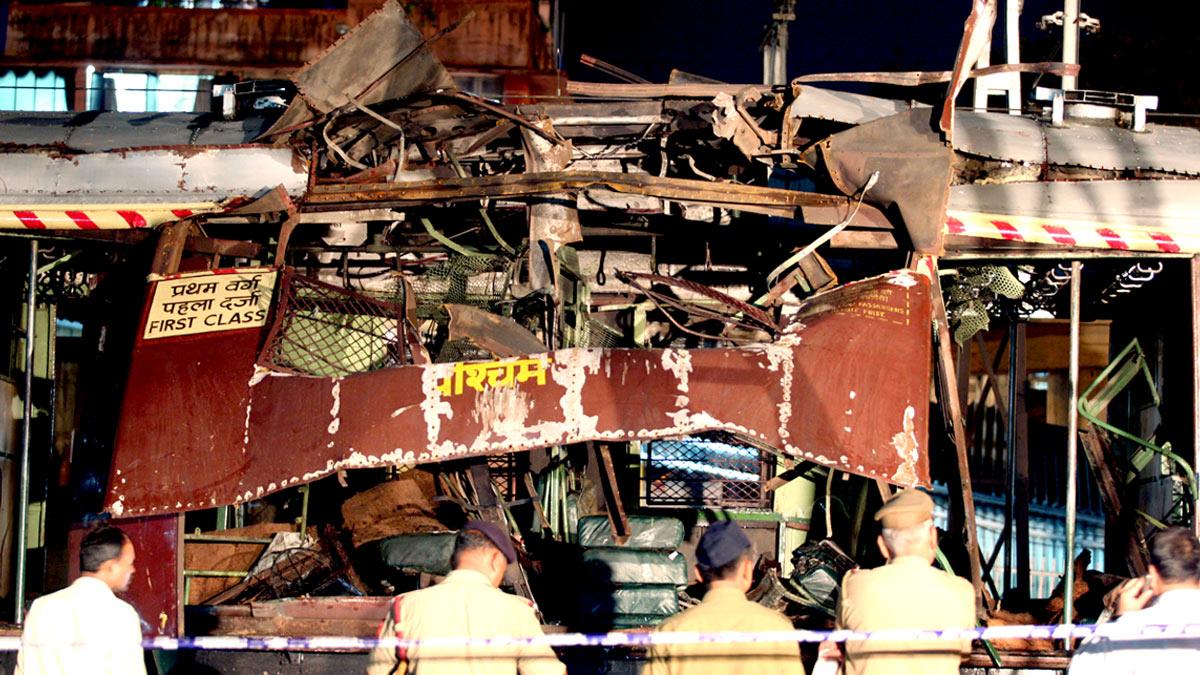
On the evening of July 11, 2006, Mumbai's bustling suburban rail network -- the Western Line that ferries millions daily between Churchgate and Borivali -- turned into a nightmare.
In the space of just 11 minutes, seven powerful bombs ripped through first-class compartments of crowded local trains at the height of rush hour, killing 188 people and injuring more than 700.
It was the deadliest terror attack on India's railway system -- bombs that were placed in pressure cookers and packed with RDX and ammonium nitrate, designed for maximum devastation.
How the attacks were timed and executed
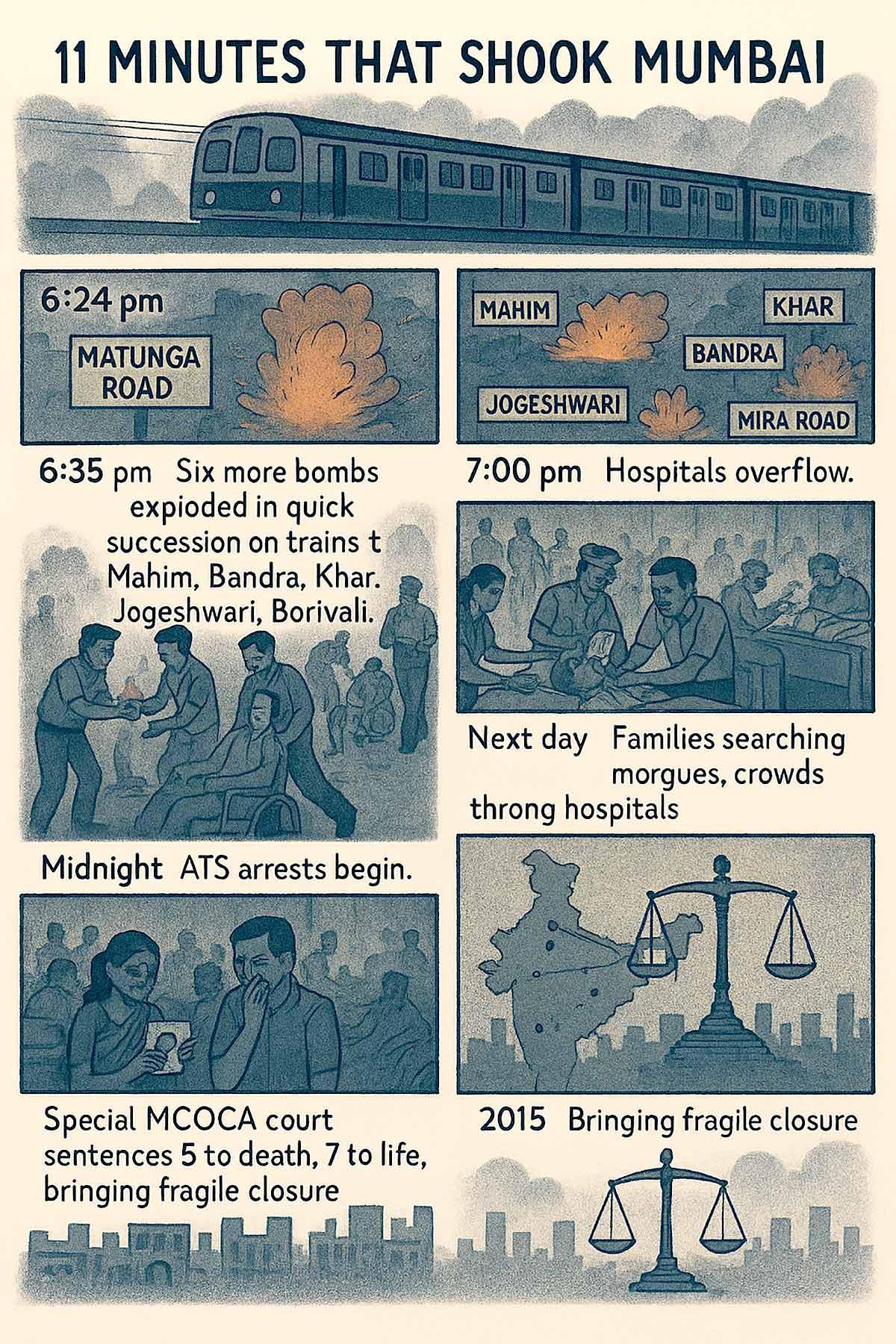
The serial explosions began at 6.24 pm and ended by 6.35 pm, tearing through trains that were the very arteries of Mumbai's daily life. These bombs were strategically placed to cause the highest casualties among the city's office-goers returning home.
The attacks took place on trains travelling between Churchgate and Borivali, halting life across stations like Mahim, Bandra, Khar, Jogeshwari, Borivali, Matunga Road and Mira Road.
As a Rediff analysis highlighted, each blast ripped open a coach -- 'a gaping wound that bled humanity', as survivors described it.
The choice of weapon: Pressure cookers stuffed with RDX
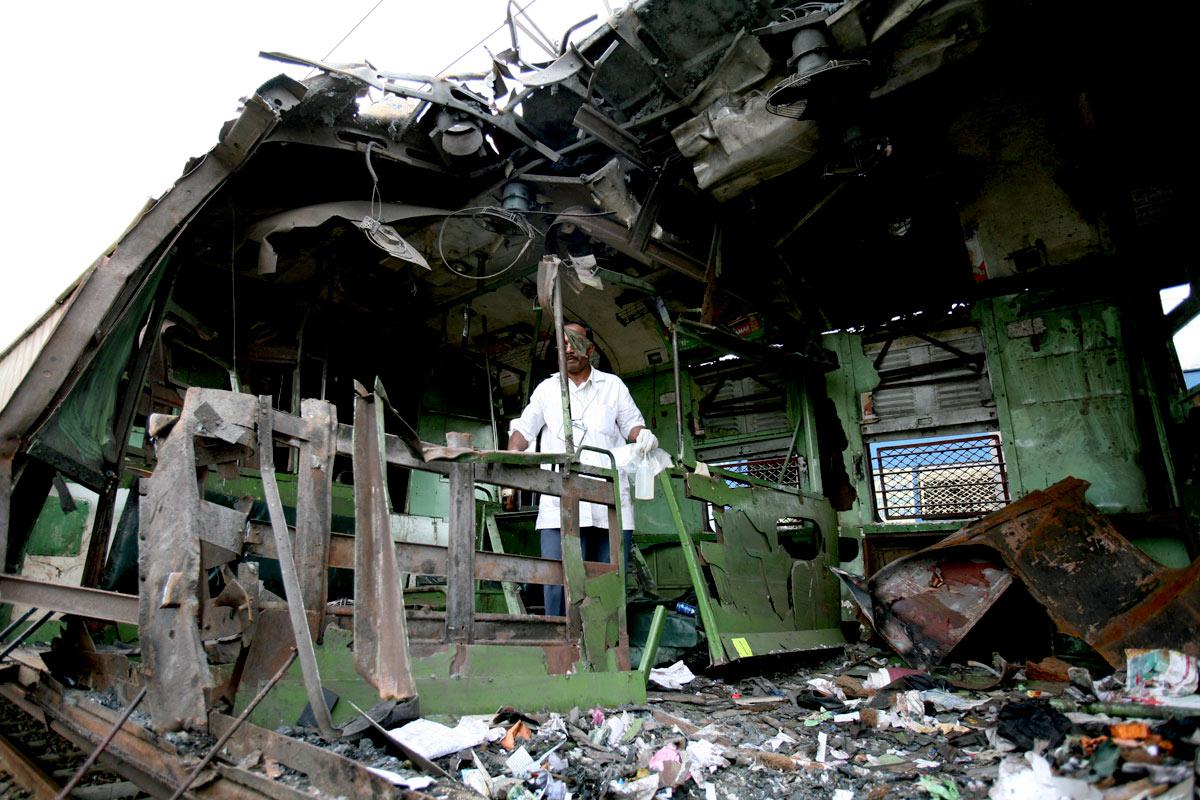
Investigators found that the bombs were concealed inside pressure cookers filled with high-grade RDX and ammonium nitrate. This combination, familiar to India from previous attacks, maximised the force of the blasts.
Forensic breakdown noted how these explosives were designed to rupture metal and flesh indiscriminately. The bombs were detonated using sophisticated timers, ensuring coordinated chaos.
The long road of investigation and justice
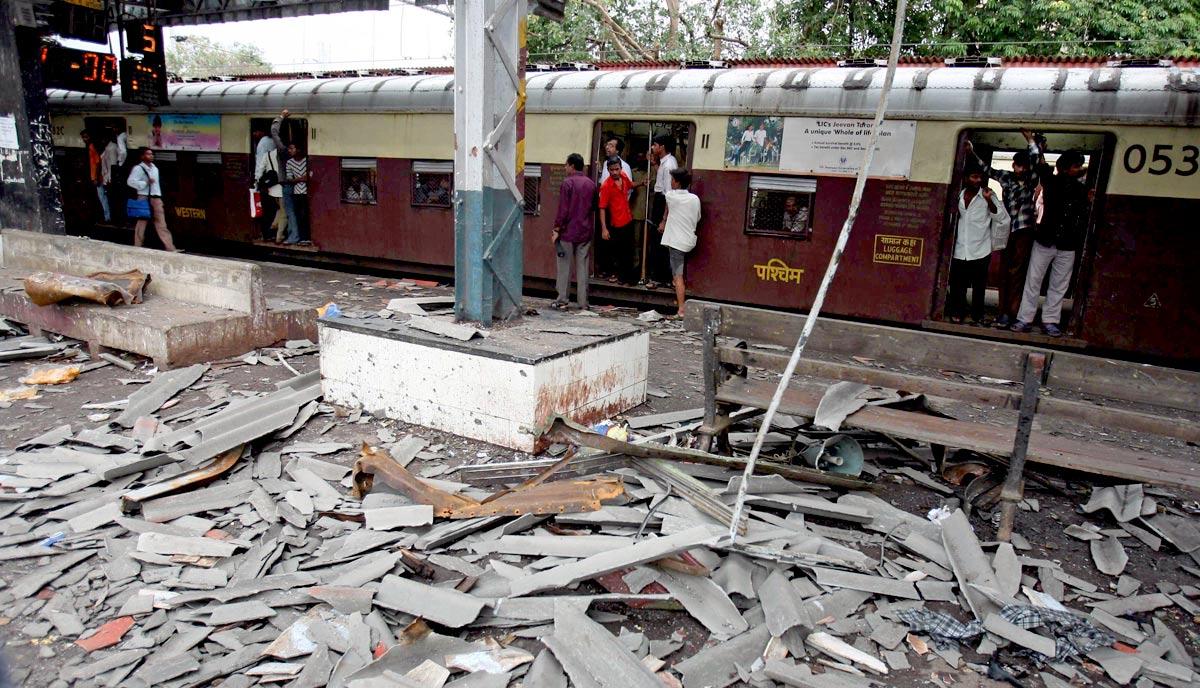
In the aftermath, Maharashtra's Anti-Terrorism Squad launched one of its largest crackdowns. Rediff's reports detail how over 350 witnesses were examined, and hundreds of documents, maps and phone records were presented in court.
The investigation revealed that the plot was masterminded by operatives of the Lashkar-e-Taiba and carried out with support from the banned Students Islamic Movement of India (SIMI). In our reportage, we explained how terrorists crossed over from Pakistan to Nepal and then entered India, using local modules to execute the attack.
The main accused...
Twelve men were eventually charged and tried under the MCOCA (Maharashtra Control of Organised Crime Act) and POTA (Prevention of Terrorism Act).
Among them were Faisal Sheikh, who was identified as a key conspirator and logistics head, and Asif Khan, who helped arrange the explosives.
Some of these accused were directly linked to Pakistan-based handlers who coordinated the attack. Their connections were unearthed through phone intercepts and confessions.
The trial: Convictions and sentences
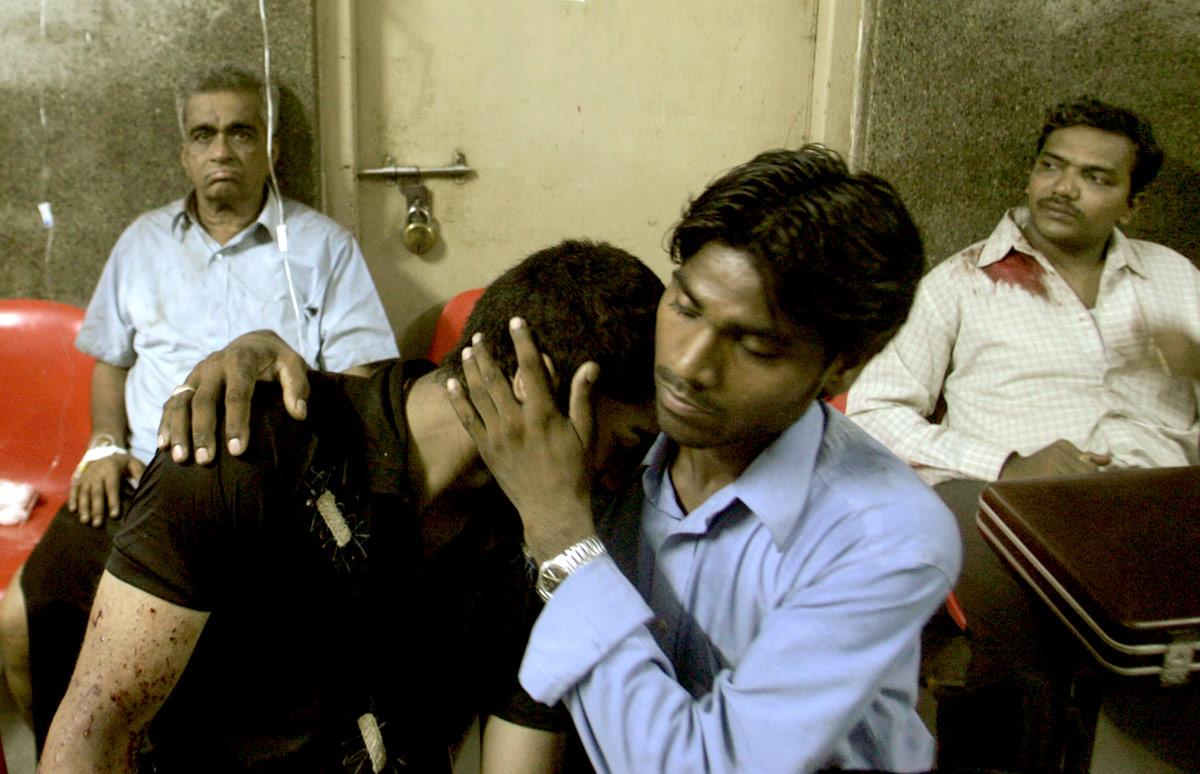
The special MCOCA court in Mumbai, after a marathon trial that examined thousands of pages of evidence and multiple confessions, delivered its verdict in September 2015 -- nearly nine years after the attack.
Five of the accused were awarded the death penalty.
Seven others received life sentences for their roles in the conspiracy.
In emotional courtroom scenes, survivors and families of victims broke down as the sentences were pronounced. Yet, the convicts' families pleaded for leniency, a request the court rejected given the magnitude of the crime.
The human cost and haunting memories
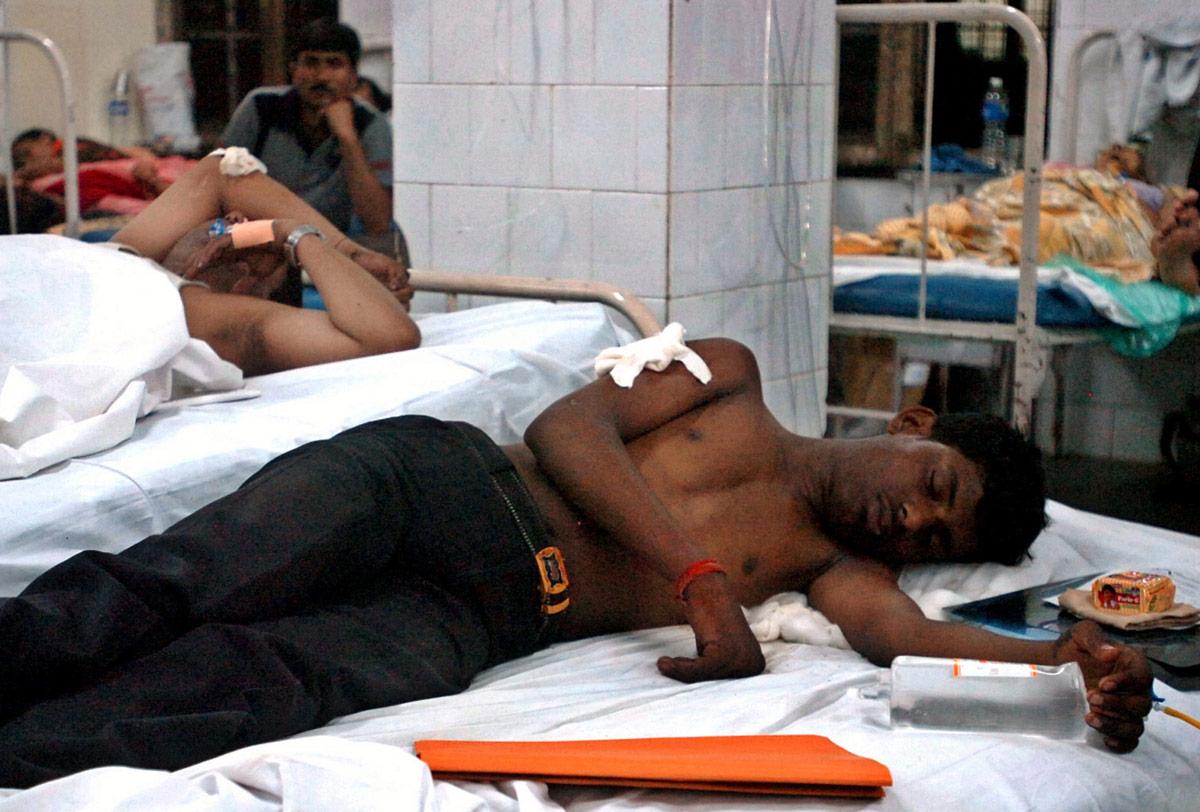
Many survivors live with scars and trauma that never truly healed. Families torn apart that evening continue to observe July 11 as a day of private mourning. In stories recorded by Rediff, people described how they still avoid crowded trains, or flinch at the mere sound of a loud bang.
Photographs curated by Manisha Kotian/Rediff
Feature presentation: Ashish Narsale/Rediff







 © 2026