

Social media feeds and immigration forums lit up with questions from workers and families who feared they might be stranded abroad, unable to return to their jobs or reunite with loved ones.
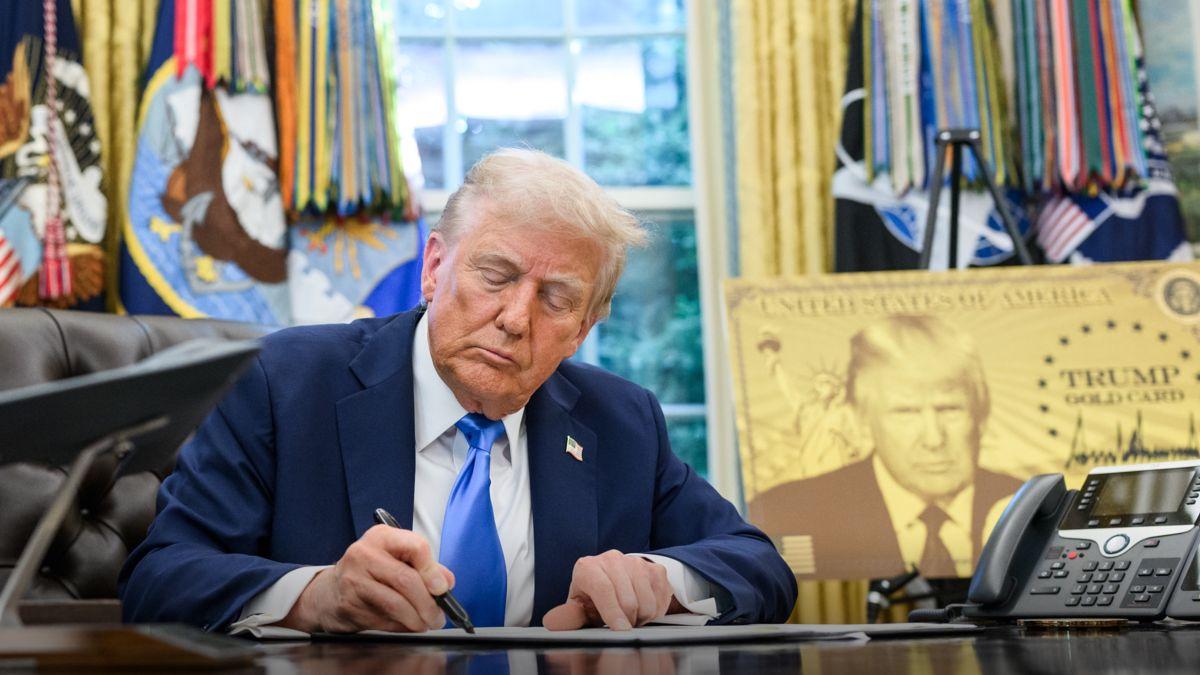
When the Trump administration issued a proclamation restricting H-1B visas effective September 21 at 12 am EST, the ripple effect was immediate and chaotic.
For the Indian community, the largest beneficiaries of the H1B visa program -- accounting for nearly 71% of approved petitions -- the announcement triggered confusion, anxiety, and urgent calls for clarity.
The South Asian Bar Association (SABA) of North America swiftly convened an emergency webinar to assess the impact and discuss how the community might respond.
Social media feeds and immigration forums lit up with questions from workers and families who feared they might be stranded abroad, unable to return to their jobs or reunite with loved ones.
Within 24 hours, the White House issued clarifications intended to calm the storm.
White House Press Secretary Karoline Leavitt stated that the much-feared $100,000 fee was not an annual levy but a one-time charge, applicable only to new petitions.
Current visa holders, including those outside the United States, would not be required to pay this fee to re-enter.
Nor would the proclamation affect renewals or extensions.
That it would first apply in the next lottery cycle for new applicants.
The clarification brought some relief, but unease lingers. Many Indian professionals, whose families and careers depend on stable immigration policy, remain wary.
As attorney Kavitha Ramasami specializing in immigration law advised in a widely shared post:
'H-1B Community - Please don't panic! My top recommendation right now is to refrain from international travel until the situation stabilizes and/or until we get more clarity. Whoever is outside on H-1B (unless you have a National Interest Exemption), come back. If not, please wait for more clarity before you travel. This doesn't affect people who are already in the United States!'
Ramasami emphasized that her message is not a substitute for legal counsel but urged caution until the administration issues more comprehensive guidance.
Despite the White House statement, key implementation details remain murky. Murthy Law Firm, one of the nation's most respected immigration practices, noted that questions abound:
- How will the $100,000 fee be collected or enforced?
- Which agency will oversee implementation -- the USCIS, the Department of State, or both?
- How will waivers for 'national interest' cases be applied in practice?
The firm added that the proclamation allows for waivers at the discretion of the Secretary of Homeland Security, but no framework exists yet for how such waivers might be evaluated or granted.
The policy has already sparked concern abroad, particularly in India.
Government officials fear that the steep fee could undermine the mobility of skilled workers, disrupt families, and strain US-India ties in sectors such as technology and research, where H1B professionals play a pivotal role.
For now, the message from legal experts is consistent: Remain cautious and prepare for uncertainty. As Murthy Law Firm summarized in its client update:
'While the White House has stated that the $100,000 fee applies only to new H-1B petitions, the language of the proclamation and the absence of implementing guidance leave significant uncertainties. Employers and workers should remain cautious and watch for formal guidance from USCIS, the Department of State, and the Department of Homeland Security.'
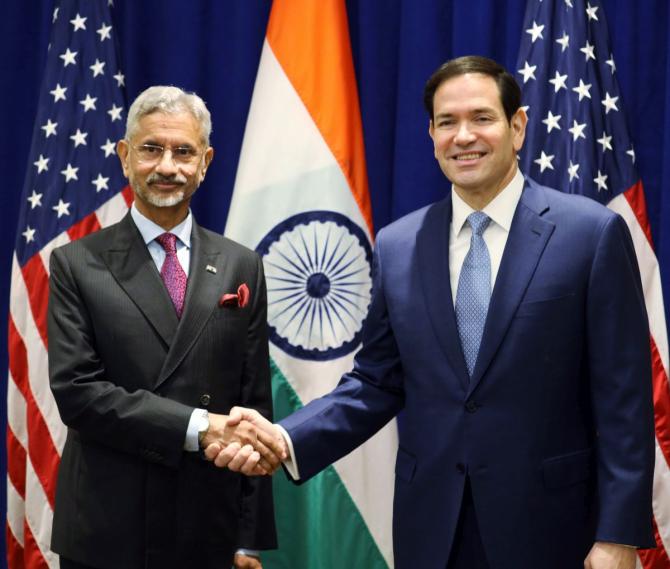
The meeting between Secretary of State Marco Rubio and External Affairs Minister Subrahmanyam Jaishankar on the sidelines of the United Nations General Assembly in New York on September 22 showed promise of hope.
After the meeting, Rubio, reiterated that India is a relationship of critical importance to the United States, expressed his appreciation for the Indian government's continued engagement on a number of issues including trade, defense, energy, pharmaceuticals, critical minerals, and other items related to the bilateral relationship.
Until more clarity emerges, Indian H1B professionals -- who already face the challenges of long green card backlogs and restrictive policies -- are left in limbo.
While the White House clarification calmed initial fears, the uncertainties surrounding implementation have left the community anxious about what lies ahead.
For now, the only certainty is that the H1B community, particularly its Indian beneficiaries, will need to brace for continued unpredictability.
WATCH: Dr Mukesh Aghi, President and CEO, US-India Strategic Partnership Forum, On the H1B Visa Fee Hike
Feature Presentation: Aslam Hunani/Rediff





 © 2026