

Officials said the digital ban was intended to disrupt ideological channels that facilitate cross-border radicalisation, particularly in areas where socio-economic vulnerabilities are exploited by extremist networks.
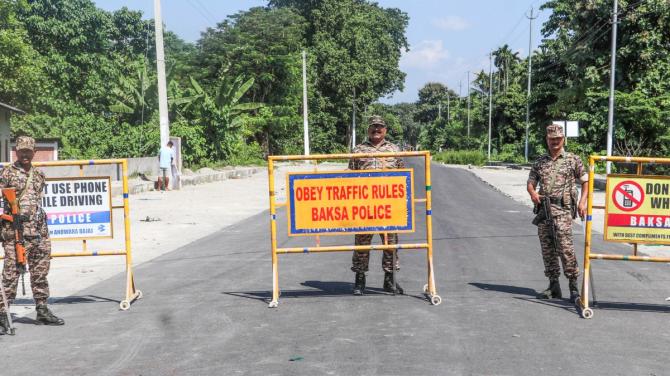
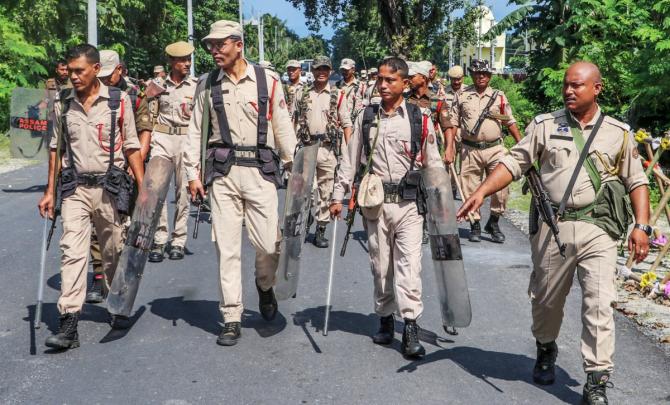
This images in this report have only been posted for representational reasons. All photographs: ANI Photo
The Assam government has imposed a statewide ban on the publication, circulation and digital dissemination of radical and jihadi literature, citing threats to public order and national security.
The move is aimed at curbing cross-border radicalisation through online platforms and extremist networks operating in the region.
The ban has been enforced under Section 98 of the Bharatiya Nagarik Suraksha Sanhita (BNSS), 2023, and applies to printed material, e-books, web sites, social media platforms, messaging applications and other online forums. The order will remain in force until further notice.
According to the official notification, the prohibition covers content linked to extremist organisations such as the Jamaat-ul-Mujahideen Bangladesh (JMB), Ansarullah Bangla Team (ABT), Ansar-Al-Islam, pro-al-Qaeda in the Indian Subcontinent (AQIS) and other similar groups banned under Indian law.
Online radicalisation under scanner
Government sources said intelligence inputs and cyber-surveillance reports pointed to the continued circulation of extremist propaganda through digital channels, despite earlier crackdowns on physical literature and suspected operatives.
The notification stated that radical groups were increasingly using online platforms, encrypted messaging services and social media networks to spread extremist ideology, influence vulnerable sections of society and facilitate recruitment.
'The circulation of such material poses a serious threat to public order, internal security and communal harmony,' the order said, adding that the ban was necessary to prevent the spread of radical ideas in any form.
The prohibition extends to the sale, storage, possession, sharing and promotion of banned content, both offline and online.
Enforcement and monitoring
The government has authorised the Assam police, the Special Task Force, district administrations and cybercrime units to enforce the ban.
Officials said violations would invite strict legal action under the BNSS and other applicable laws.
Law enforcement agencies have also been instructed to step up cyber monitoring and work with intelligence agencies to identify and remove extremist material circulating on digital platforms.
Officials stressed that the action targets extremist propaganda and violent ideology, and does not apply to legitimate religious texts, academic material or lawful expression.
Cross-border security focus
Assam shares a long and porous international border with Bangladesh, and security agencies have repeatedly flagged attempts by Bangladesh-based extremist groups to influence vulnerable populations in border districts.
Officials said the digital ban was intended to disrupt ideological channels that facilitate cross-border radicalisation, particularly in areas where socio-economic vulnerabilities are exploited by extremist networks.
In recent years, the Assam police and the STF have arrested several individuals allegedly linked to radical outfits following intelligence-led operations across the state.
Preventive step
Assam Chief Minister Himanta Biswa Sarma, who also holds the home portfolio, described the move as a preventive measure to maintain law and order and protect internal security, noting that tackling online radicalisation has become as important as conventional counter-terror operations.
Authorities said enforcement agencies would exercise due caution to ensure that Constitutional freedoms are not infringed while acting against extremist content.
Assam has emerged as one of the states taking a proactive approach to countering radicalisation in the north east, with officials indicating that monitoring online ecosystems would remain a priority.
Feature Presentation: Rajesh Alva/Rediff









 © 2026