

Discover how the Archaeological Survey of India is preserving Bihar's rich cultural heritage by maintaining 71 nationally significant monuments and archaeological sites.
Key Points
- The Archaeological Survey of India (ASI) maintains 71 nationally important monuments and archaeological sites in Bihar.
- Key sites include the ruins of Nalanda University, remnants of Rajgir, Rohtasgarh Fort, and the ancestral house of Rajendra Prasad.
- The government is actively involved in conservation and development projects for heritage sites across India.
- The National Mission on Monuments and Antiquities (NMMA) has documented over 11,406 monuments and 12,48,775 antiquities.
- Virtual reality experiences are being implemented at sites like Unakotitirtha in Tripura to enhance visitor engagement.
Seventy-one monuments and archaeological sites in Bihar declared as of national importance are maintained by the Archaeological Survey of India (ASI), the government informed Parliament on Monday.
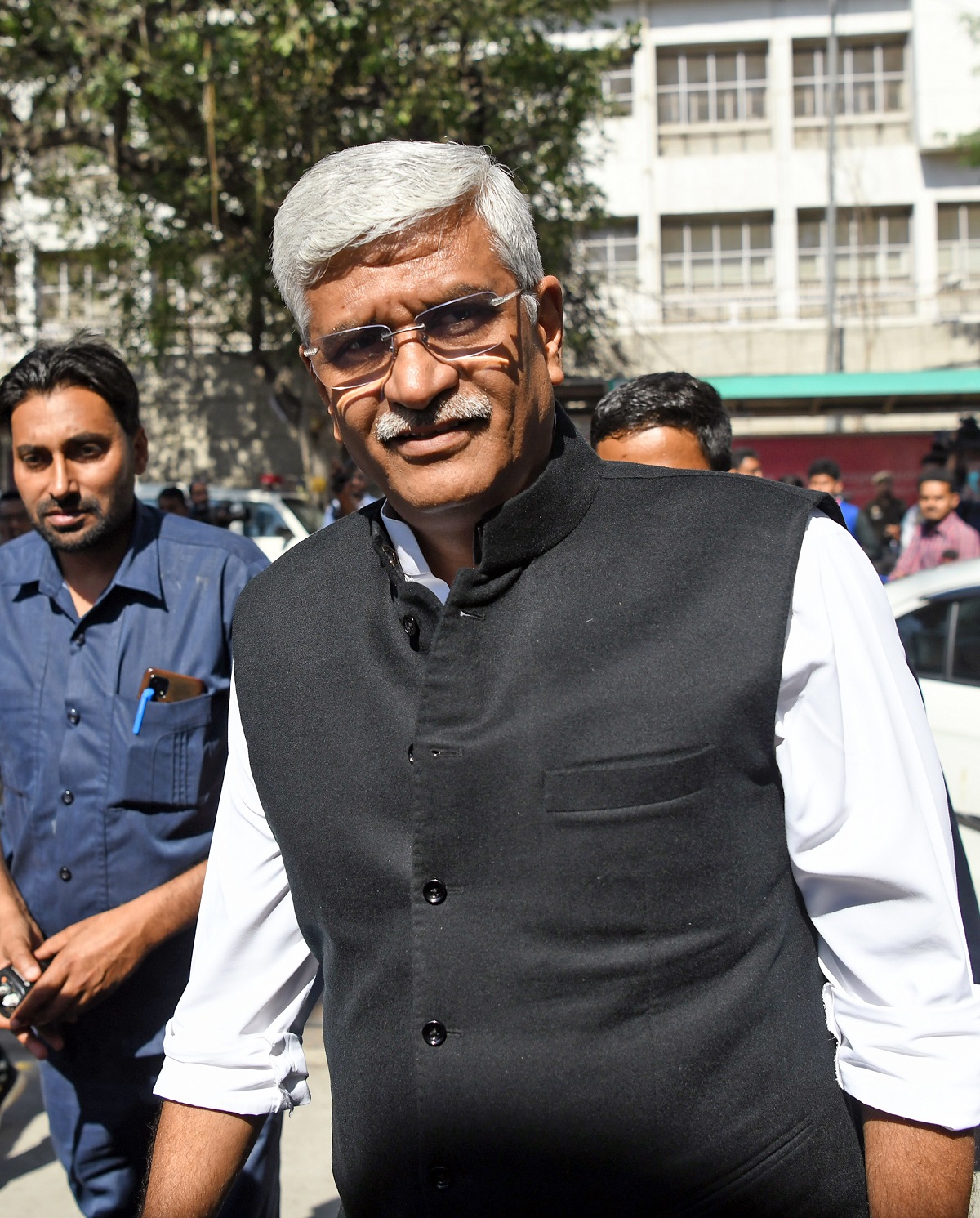
In a written reply to a query in the Lok Sabha, Union Culture Minister Gajendra Singh Shekhawat also shared a list of these sites.
On December 8 last year, he had told the Lok Sabha that "there are 70 ancient monuments and archaeological sites and remains declared as of national importance" in Bihar, which are maintained by the ASI.
Key Archaeological Sites in Bihar
The ASI-listed sites in Bihar include the ruins of ancient Nalanda University, remnants of the ancient city at Rajgir, both in Nalanda district; Rohtasgarh Fort and the Tomb of Sher Shah Suri at Sasaram, and the Ashokan inscription on the Chandan Shahid hill in Rohtas district, and the ancestral house of Rajendra Prasad, country's first president, in Ziradei in Siwan district.
In the reply, however, it was not mentioned when the new site in Bihar was added to the list of monuments of national importance.
Government Initiatives for Heritage Preservation
He was also asked whether the government has implemented conservation and development projects for the revival of heritage sites across the country.
"There are 3,686 centrally protected monuments/sites under the jurisdiction of the Archaeological Survey of India (ASI) in the country. Conservation, preservation and maintenance of these centrally protected monuments/sites is a continuous process and is taken up as per the requirement and availability of resources, subject to the National Policy for Conservation. All the monuments/sites are in a good state of preservation," he added.
National Mission on Monuments and Antiquities
In response to a separate query, Shekhawat said the government has established the National Mission on Monuments and Antiquities (NMMA) in 2007 to "prepare two national registers on Unprotected Monuments (Built Heritage and Sites) and Antiquities across the length and breadth of the country".
So far, the NMMA has documented and published data for 11,406 monuments (built heritage and sites) and 12,48,775 antiquities. Also, the artefacts and objects housed in the collections of various ASI site museums are being digitised in the prescribed format of the NMMA. The digitised records are being made available on the dedicated portal of NMMA, he said.
"Further, artefacts from two museums, namely (i) Archaeological Museum, Velha Goa (Goa) and (ii) Archaeological Museum, Nagarjunakonda (Andhra Pradesh), have been digitised and uploaded on the 'Museums of India' portal through JATAN software.
"The ASI has provided the facility of virtual reality (virtual walkthrough) at the sculptures and rock-cut reliefs of Unakotitirtha, Unakoti District, Tripura, for the visitors," the minister said.







 © 2026