
'You can't have a one-sided deal. If you have a lopsided deal then it won't be sustainable.'
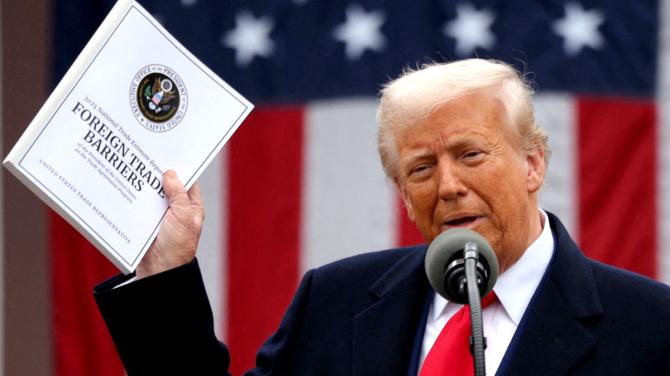
"We are working behind the scenes, talking to the State Department, Commerce Department and the NSC so there's a lot of effort being put in to basically ensure that we bring back the relationship back to the track," Dr Mukesh Aghi, President and CEO, US-India Strategic Partnership Forum, tells Rediff US Special Contributing Correspondent Abhijit J Masih.
The concluding segment of a two-part interview.
- Part 1 of the Interview: 'India Is Collateral Damage Between Trump And Putin'
You talked about lobbyists so what is your organization doing to help in this situation to sort of veer the White House away from Pakistan and towards India?
We are working behind the scenes, talking to the State Department, Commerce Department and the NSC so there's a lot of effort being put in to basically ensure that we bring back the relationship back to the track.
Do you think India will need to open at least a part of its agricultural markets to American imports?
I don't think so and in the current deal they don't include dairy products and they don't include rice, maize and wheat. So India was quite protected from that perspective.
Will the Trump administration be willing to make allowances for a treaty or do you believe the American trade negotiators are too obdurate?
The President is a practical man, he is a businessman and he'll get a deal done. So we're optimistic.
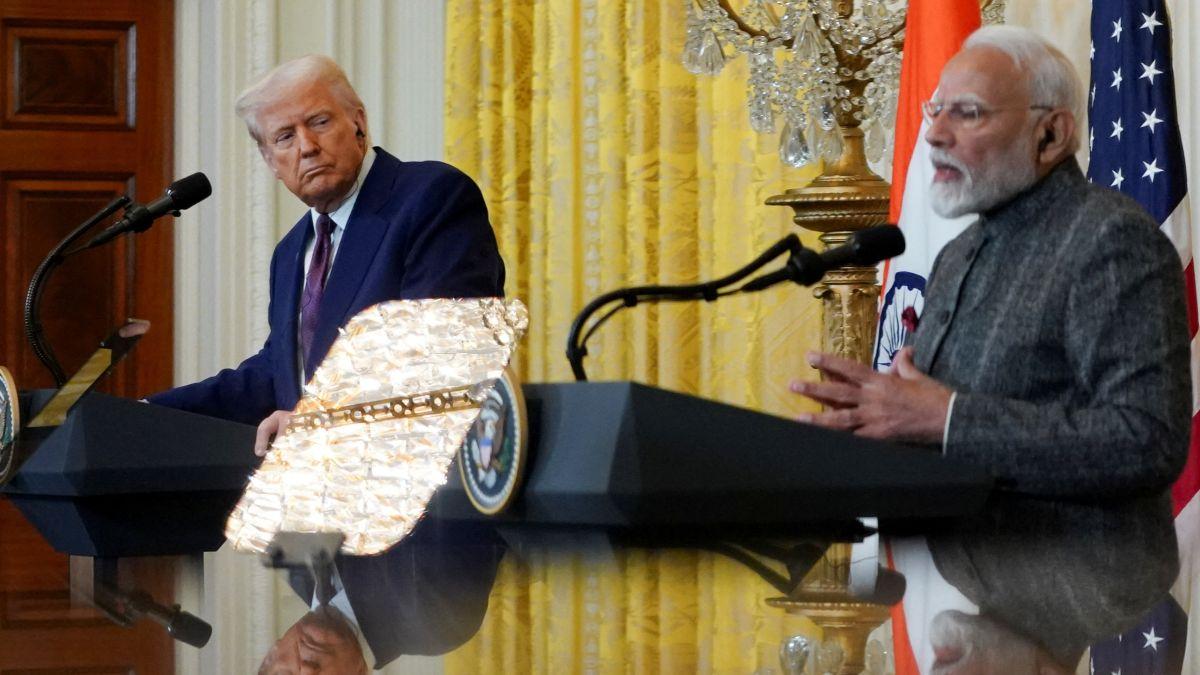
But will the deal be beneficial to India?
You can't have a one-sided deal. If you have a lopsided deal then it won't be sustainable. And the Indian public will also not tolerate India signing that kind of a deal.
Would it help if influential voices in the Diaspora, such as yourself, reach out to the Trump administration?
It always helps. If you get the voting public expressing their desire to maintain the relationship for that prospect, yes it does help.
An Indian diplomat pointed out that India could reach out to the White House but Pakistan reached out to Mar-a-Lago.
I would say that it's a little more complicated than just reaching out because Prime Minister Modi has a good relationship with the President.
After G7 the President invited the prime minister to come (to Washington) but he (Modi) had other pending issues in India, so he flew back.
So the relationship is there. It's not like the relationship doesn't exist.
Pakistan has much more flexibility because it's not a democracy as compared to India.
India has to deal with the Opposition parties. India could not take certain decisions until they bring the Opposition into confidence.
Have you been in touch with either side of the negotiators?
Absolutely. We're in touch with the PMO, we've been touch with the White House, coordinating different activities to ensure that we are able to provide them the right support so that they come to an understanding which is a win-win value proposition or a deal between the two countries.
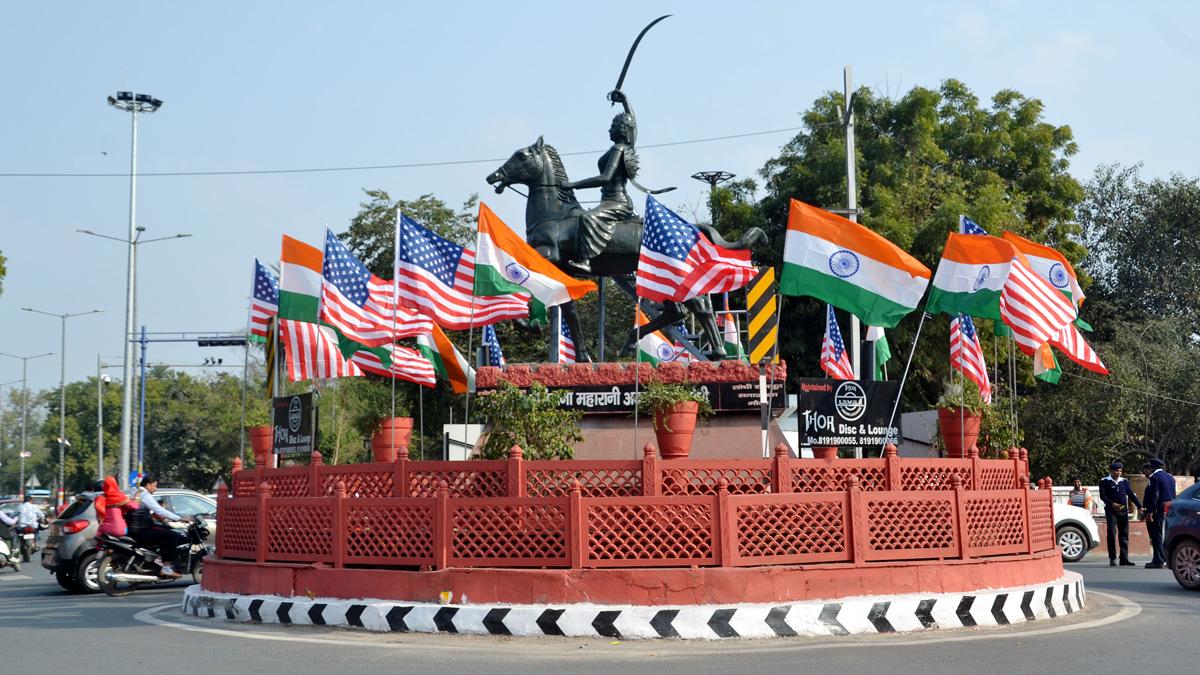
Do you think a meeting is on the cards for the prime minister and the President?
I don't know. The prime minister is coming to the UNGA in New York and the President will be there and hopefully there could be a meeting between the two. (This interview was recorded before Prime Minister Modi decided not to travel to New York to address the United Nations General Assembly this month.)
Do you think that is all that needs to happen? Why do you think they speak since they are so close and have met so many times to just sort this out?
It will be desirable to have a call but I think there are certain domestic issues in India which kind of put pressure on the prime minister not to be seen as a weaker one here.
They will meet. Let the dust settle down and then they will meet and sort this one out.
Feature Presentation: Aslam Hunani/Rediff





 © 2025