

India-US relations, like Rome, were not built in a day, nor can they be demolished in a day.
All said and done, when the new global order emerges, India can only remain with the democracies, asserts Ambassador T P Sreenivasan.
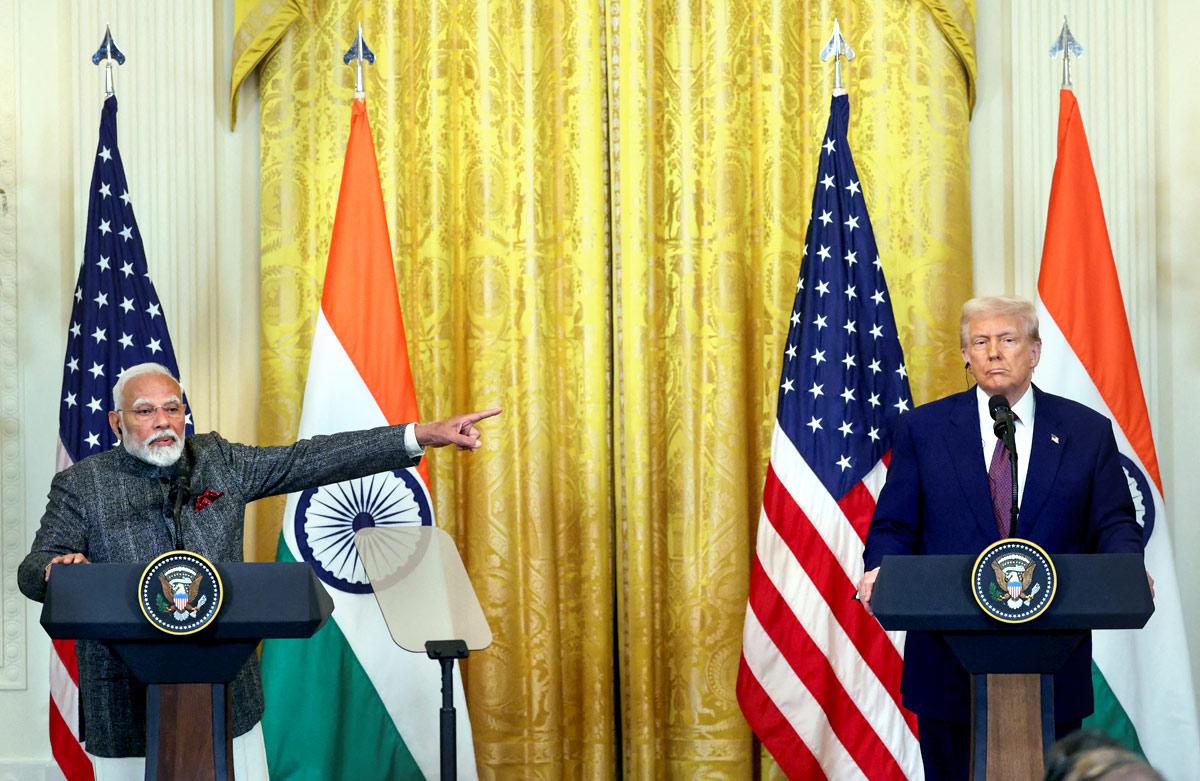
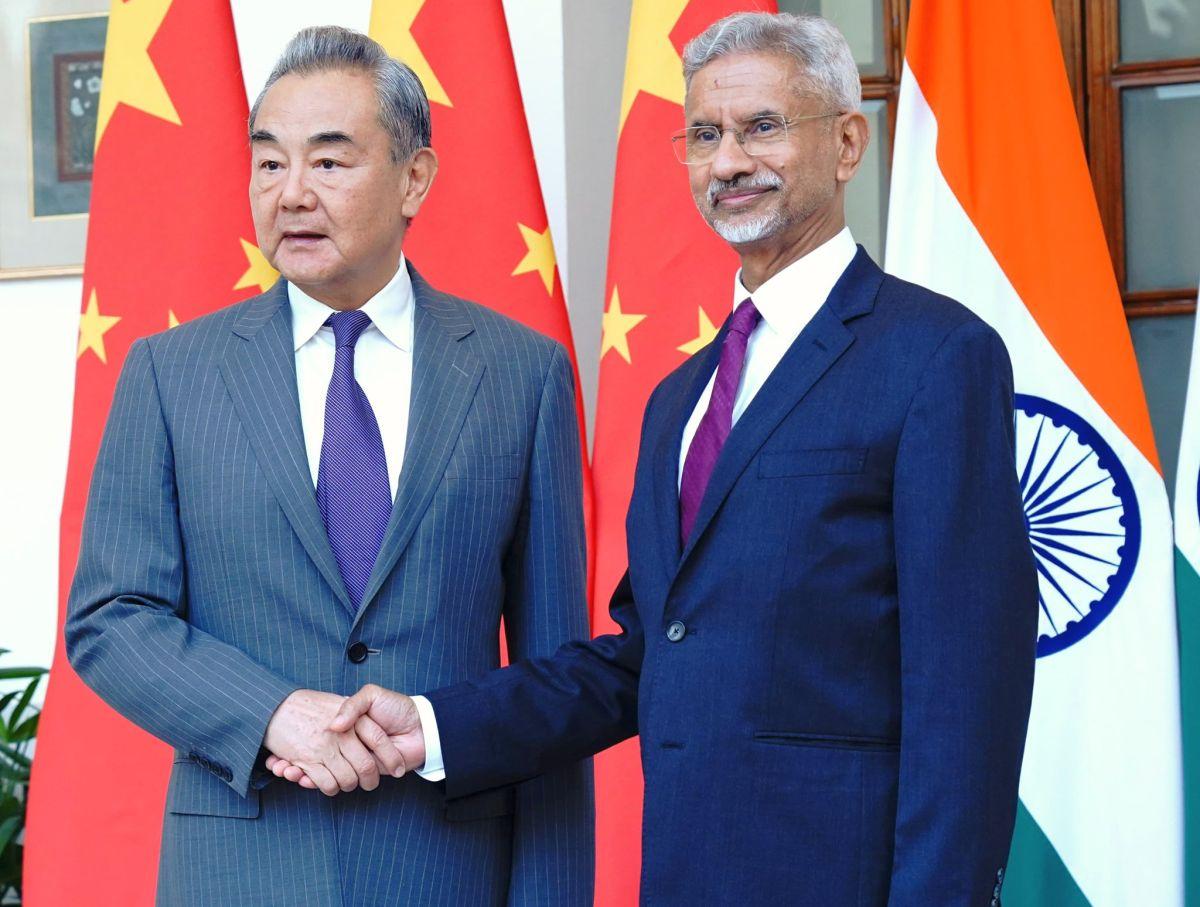
An unfortunate misunderstanding about the timings of Foreign Minister Wang Yi of China to India and Prime Minister Narendra Modi to China has given these visits dimensions never intended or achieved.
These visits were scheduled long before the Trump Tariffs were announced.
The first was for the 24th round of the dialogue of the Special Representatives on the boundary question, co-chaired by National Security Adviser Ajit Doval and Wang Yi.
Setting up of a group to explore an 'Early Harvest' in boundary delimitation and for border management were to create an impression of progress.
While China repeatedly stated that the border issue should not define the overall relationship, India insisted that a full return to normalcy is contingent on resolving the boundary question.
Both countries are continuing to build infrastructure along the Line of Actual Control, which is a source of ongoing tension.
Wang Yi went on to Afghanistan to hold meetings with Pakistan and the Taliban and went unannounced to Islamabad, which he characterised as his most important stop this time.
The disengagement in Ladakh also has not been completed even now.
Wang Yi's talks with Jaishankar may have touched on bilateral relations, but that was not on Wang's agenda this time.
The Shanghai Cooperation Organisation had not achieved much except that China had cultivated Central Asian countries. Pakistan's presence in the SCO created its own problems.
At a recent SCO ministerial meeting, Defence Minister Rajnath Singh did not sign the joint statement because the paragraph on terrorism was diluted at Pakistan's instance.
PM Modi had not confirmed his attendance till very close to the date of the summit meeting.
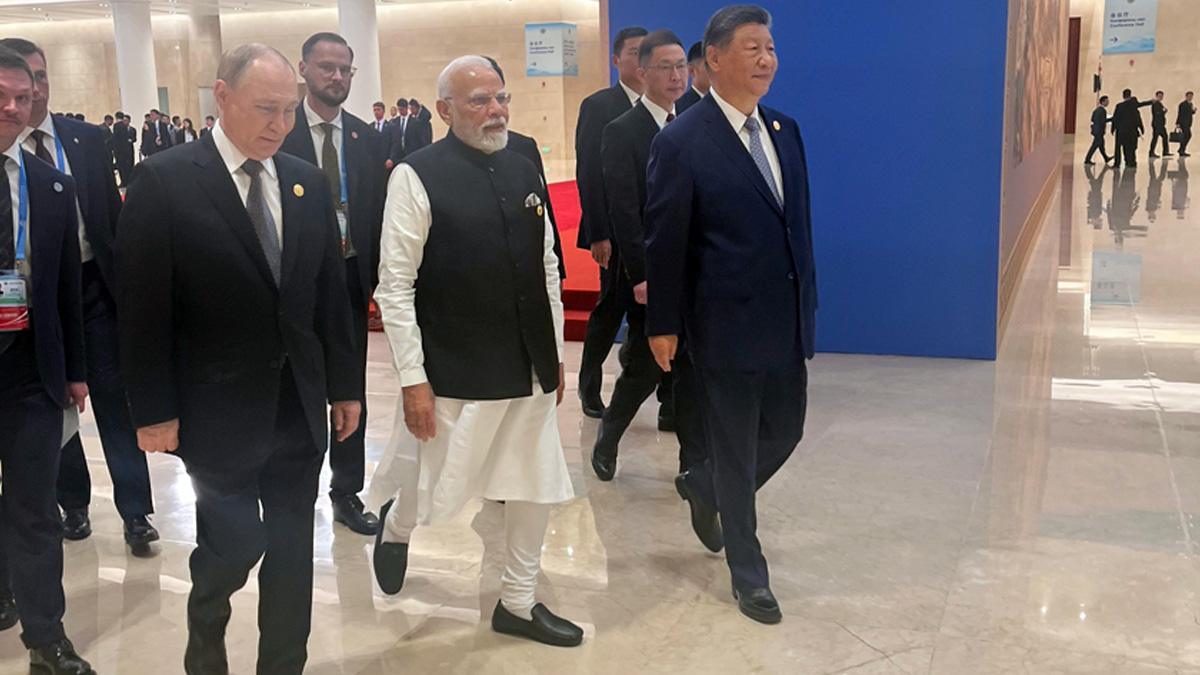
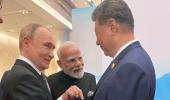
PM Modi is generally demonstrative in courtesy and body language with his counterparts and he was a little warmer towards Vladimir Putin because of Trump's tariff rebuff.
He was seen in a relaxed mood with both Putin and Xi Jinping, who are stiff and formal, and this gave the impression that he was getting closer to Russia and China in view of Trump's surprising harshness on the question of Russian oil.
The additional 25% tariff on India, particularly when China and the European Union import even more oil products, some of them through India, lacked any logic.
There was sufficient justification for India to continue to import Russian oil.
To characterise the Russia-Ukraine war as 'Modi's war' and to say that peace in Ukraine runs through India was most illogical and most irrational to say the least.
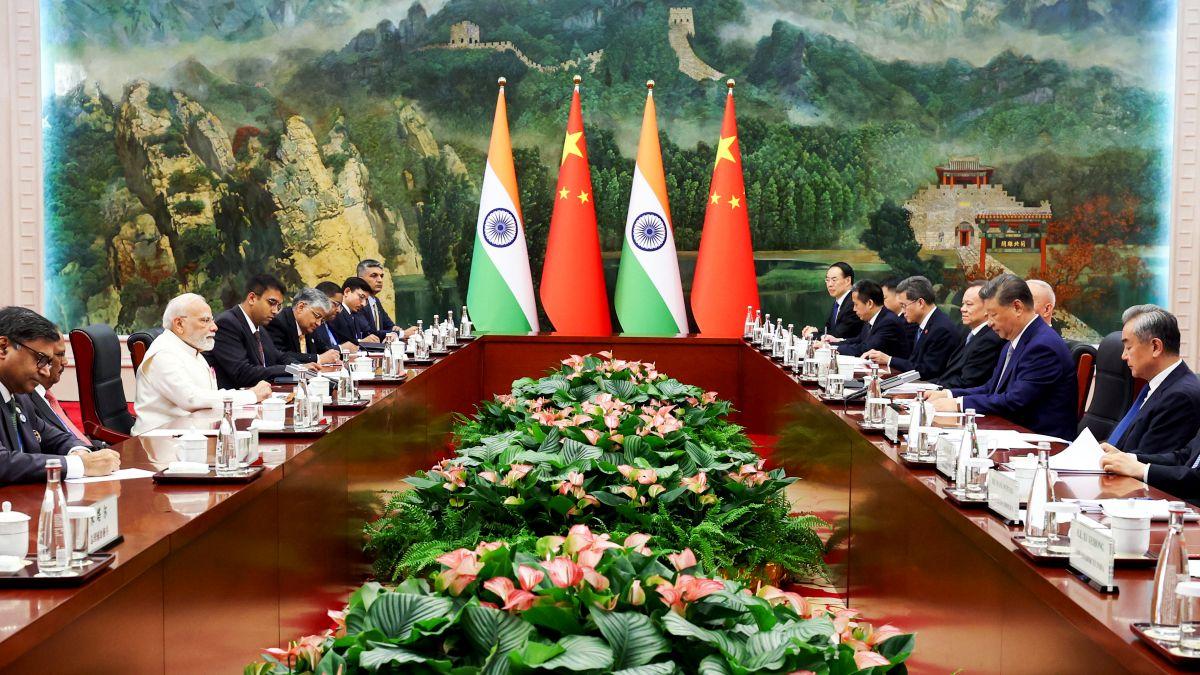
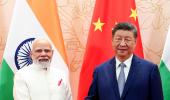
Modi's visit to China was in no way provocative to the US as a certain thaw had already descended on China-India relations.
As for Russia, India's relations were always warm, even though India had indicated to Putin that we are not just neutral, but also on the side of peace.
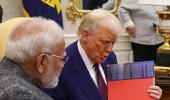
Trump's most recent statements indicate that the US would not let India get lost in a Chinese embrace and this was to be expected.
The US needs India as much as we need the US and as we have seen in the past.
The Indian nuclear tests in 1998 had created a worse crisis than now because the Glenn Amendment sanctions imposed by then US president Bill Clinton was meant to hurt India to the extent of signing the CTBT and NPT, which India had refused to do.
In two years, relations became normal and India was exempted from several stipulations of the non-proliferation regime.
India-US relations, like Rome, were not built in a day, nor can they be demolished in a day. All said and done, when the new global order emerges, India can only remain with the democracies.
India has a strong lobby, consisting not only a large part of the Indian community, but also members of the US Congress and the Senate.
This lobby is surprisingly silent at this critical moment. Indian Americans are a rapidly growing and influential voting bloc in the US.
While they were traditional supporters of the Democratic party, after the advent of PM Modi in India and President Trump in the US, there has been a sizeable shift of Indians from the Democratic party to the Republican party.
There was much expectation that Trump's second term will see the Modi-Trump bromance becoming beneficial to India and the Indian Americans.
Against this backdrop, the sudden deterioration in bilateral relations following the Tariff War unleashed by Trump, Indian Americans and friends of India in the US have been stunningly silent.
Perhaps they feel that the present situation, caused by the mercurial character of Trump, who is peeved by the humiliation caused by India rejecting his claim that he mediated between India and Pakistan to end the conflict and refusing to recommend him for the Nobel Peace Prize will pass and the 'natural allies' will soon be back together again.
Or they do not want to provoke Trump into taking any action against immigrants in general and Indians in particular.
They may even be thinking of sitting it out for a post-Trump America.
Considering that this is the policy being adopted by Americans in general, the Indians may not want to take the lead in raising an alarm about Trump's policies.
Fareed Zakaria's assessment that the US action against India on tariffs and Russian oil is a major strategic blunder and a significant reversal of decades of bipartisan foreign policy should be a wake-up call for all.
The latest comments from both sides are that the strategic blunder is being corrected.
In fact, if Indians were to agitate to preserve their rights and opportunities in consular matters and to maintain good relations with India on all fronts, particularly technology, industry and education, there are a number of institutional mechanisms in place to be activated in adverse circumstances.
Indians are the backbone of the IT industry as well as manufacturing and the Indian presence is absolutely indispensable.
For their own security and future, should they not ask questions about the unusual changes that are taking place in the country?
As for reflecting the opinions of the Indian Americans, there are several national and regional organisations, some culture and welfare ones and some of a political nature.
These organisations express opinions about developments in India and lobby for better India-US relations.
The support of these groups at the time of the nuclear tests went a long way in pressurising the US government to lift the Glenn Amendment sanctions even before President Clinton's visit to India in 2000.
The injustice being done against India by imposing 50% tariff on Indian exports and calling the Russia-Ukraine war 'Modi's war' should be a matter of concern for Indian Americans.
The India Caucus in the US Congress and the Friends of India in the Senate must also be concerned about the present trends in India-US relations.
The hard positions that the US side is taking in trade negotiations and suspension of the talks should be of concern to these Congressional bodies.
The possibility of India getting closer to China and Russia to make up for the deterioration in India-US relations should ring alarm bells in Washington, particularly on Capitol Hill.
The Indian embassy has strengthened its lobbying capacity in the new circumstances probably because India's friends have not yet responded to the new situation.
It is possible that discussions are taking place in different circles to bring the dangerous situation in the new trends in India-US relations to the Trump administration's attention.
The sooner a strategy is worked out by the India lobby in the US, the better it will be for both democracies and the Indian American community in the United States.
Their silence does not augur well for the emerging world order in which it is necessary that the democracies should remain united.
Ambassador T P Sreenivasan served as deputy chief of mission (1997 to 2000) at India's embassy in the United States and played an important role to restore India-US relations during the critical period after the 1998 nuclear tests.
He is a long-time contributor to Rediff and you can read his earlier columns here.
Feature Presentation: Aslam Hunani/Rediff



 © 2026