
As we celebrate the 136th anniversary of Jawaharlal Nehru's birth, let's embark on a journey to places in India, and across the world, that had a connection with India's first prime minister.
A nationalist, freedom fighter, pioneering statesman, he was a dreamer of modern India. And beloved Chacha Nehru, which is why November 14 is also celebrated as Children's Day in India.
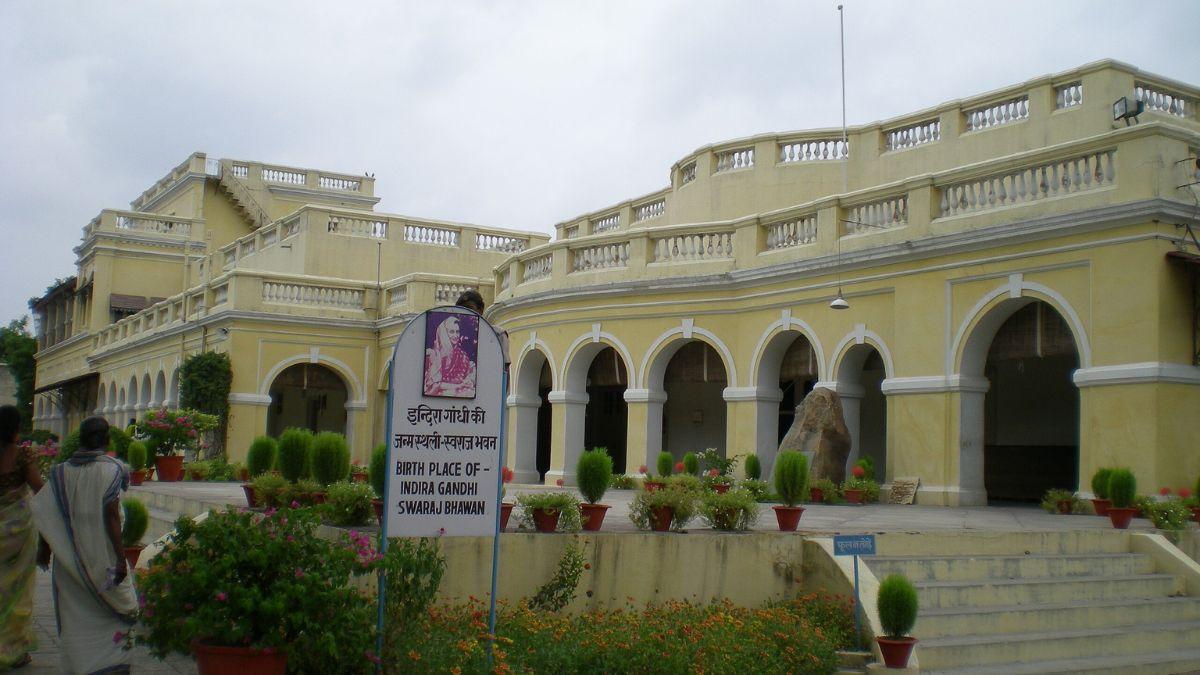
1. Swaraj Bhavan, Allahabad
The house where Nehru was born in 1889 and where he lived, off and on, until 1930.
The mansion has 42 rooms and is home to Mahatma Gandhi's charkha, vintage images from India's struggle for freedom, treasured items of the Nehru family.
Nehru's only child Indira was born here.
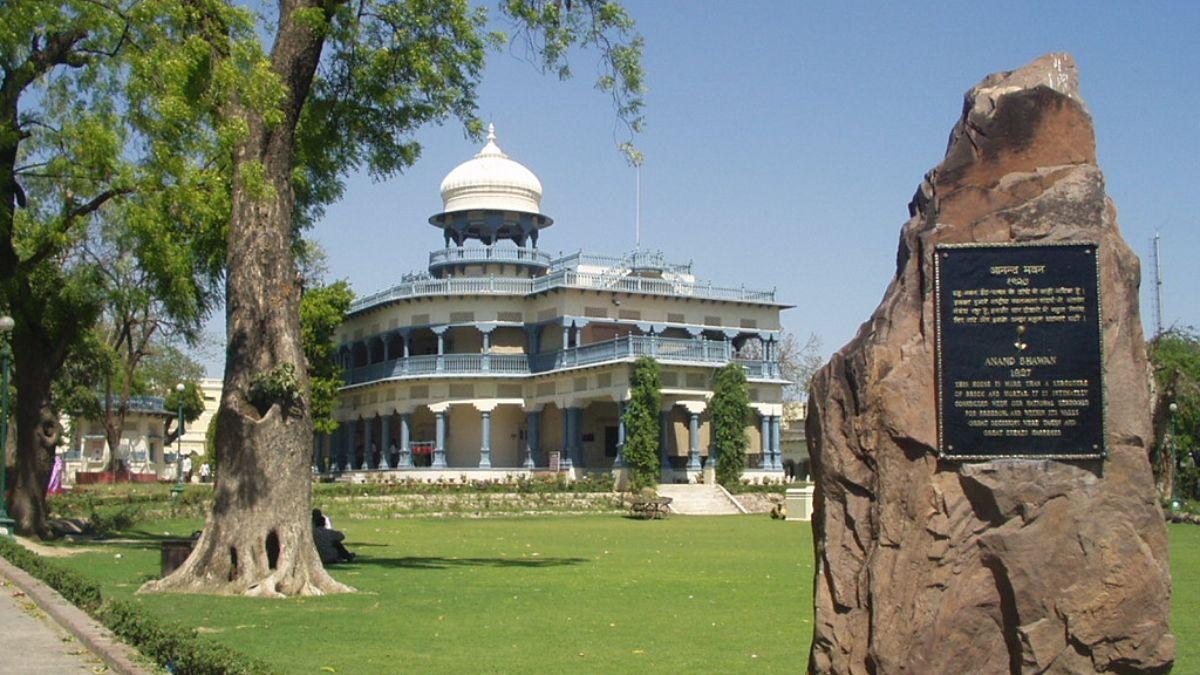
2. Anand Bhavan, Allahabad
After offering their original residence to be used as the Indian National Congress' regional headquarters, the Nehru family built another home nearby, naming it Anand Bhavan or a home of happiness.
There is a planetarium now on its grounds, built in honour of Nehru's interest in science and desire for India to develop its scientific temper.

3. Harrow, London
Nehru received his initial education in England, first at Harrow, a school outside London.
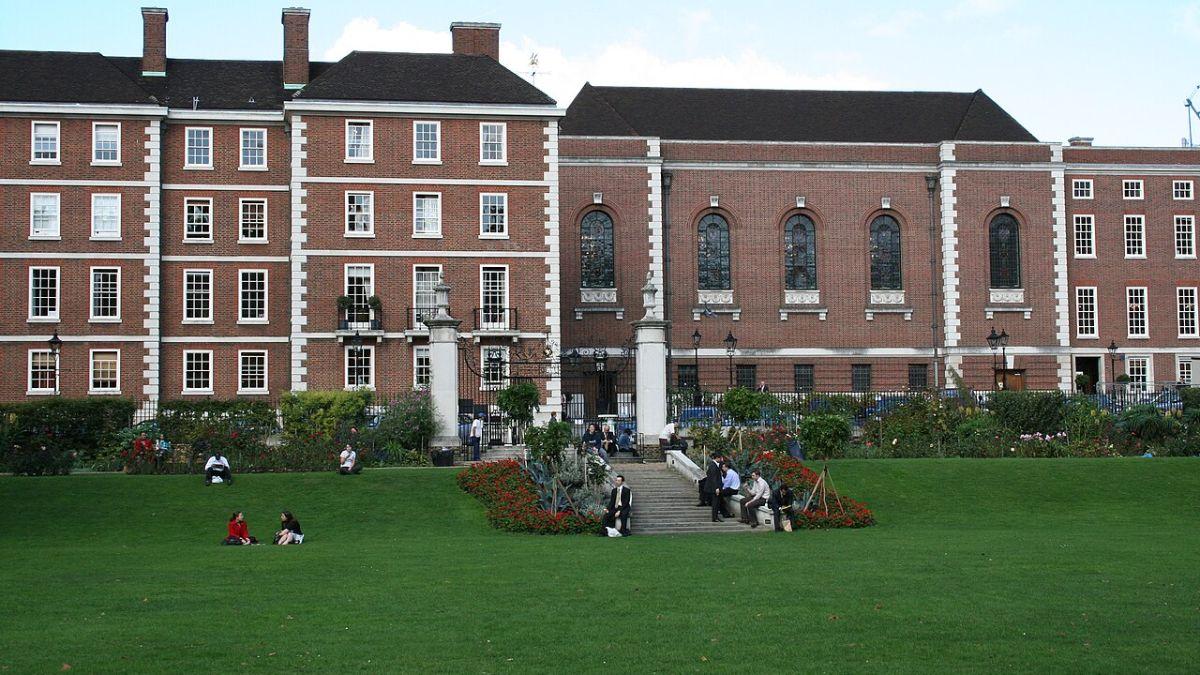
4. Inner Temple, London
He trained in law at Inner Temple, one of the four inns of court, becoming a barrister in 1912 (one had to belong to an inn to become a barrister in England).
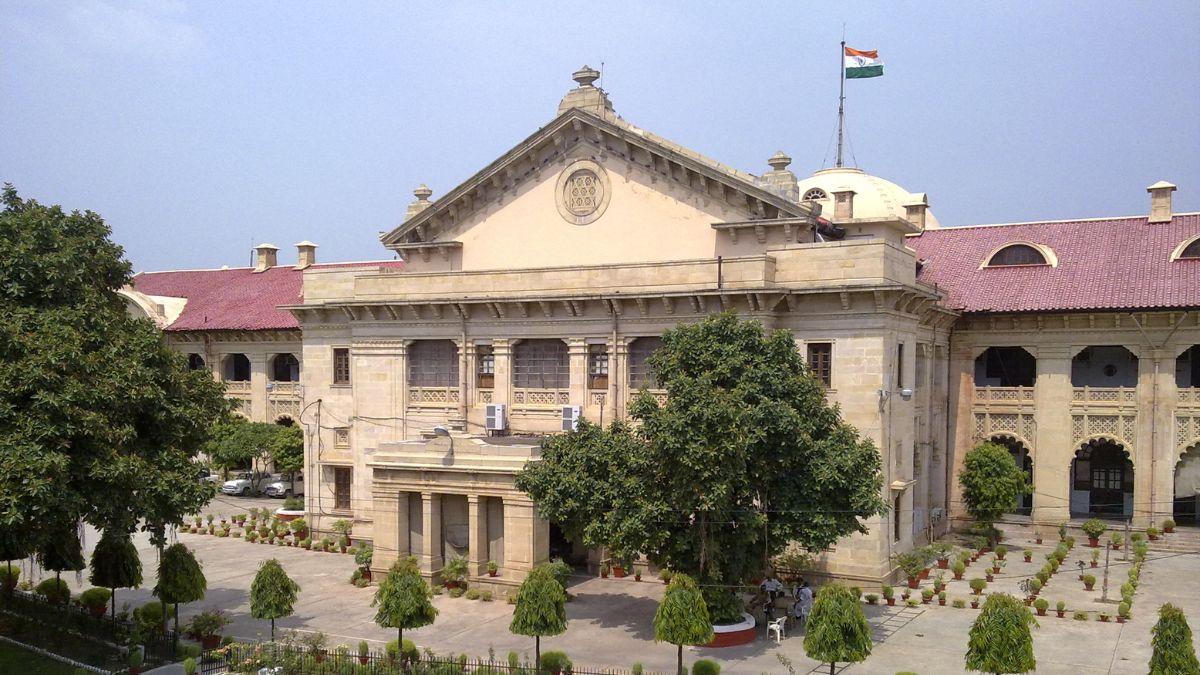
5. Allahabad High Court
On his return to India in August 1912, he began his legal career at the Allahabad high court.
But his heart was not in law, even being the son of Motilal Nehru, one of the most famous barristers of the time, and he was drawn to the freedom movement.
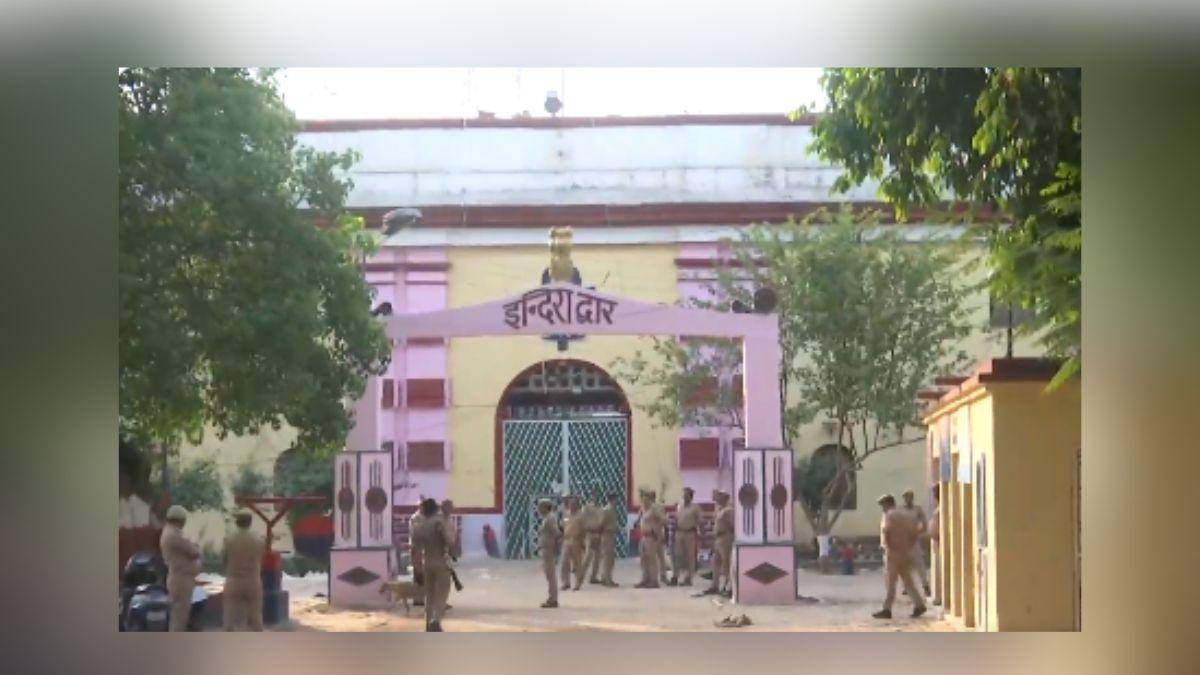
6. Naini Central Jail, Nainital
Nehru first joined Annie Besant's Home Rule League, but was later influenced by the thinking of Mohandas K Gandhi, who had returned from South Africa in 1915 and he got involved with the Mahatma's political campaign along with his father.
Nehru was imprisoned eight times for his role in the freedom movement as he fought shoulder to shoulder with Gandhi to win India her independence.
He sacrificed nine long years of his life between different jails, his first stint being at the Lucknow district jail in December 1921.
He spent 97 days confined in the Naini Central Jail and was released on January 26, 1931. At Naini Jail and other jails before and thereafter, he continued writing to his daughter Indira.
This collection of letters, in which he introduced her at great length to world history, was later published as Glimpses of World History and was a continuation of Letters from a Father to His Daughter.
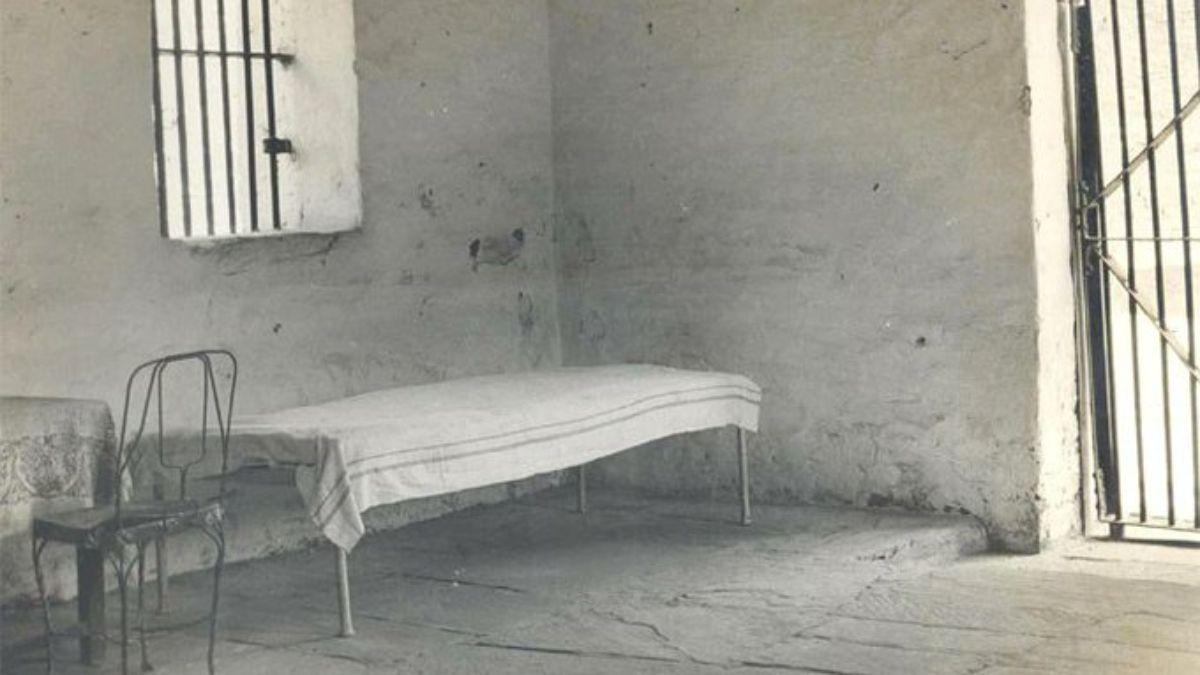
7. Almora Prison
When he was imprisoned at Almora prison he finished writing Toward Freedom: The Autobiography of Jawaharlal Nehru between 1934-1935.
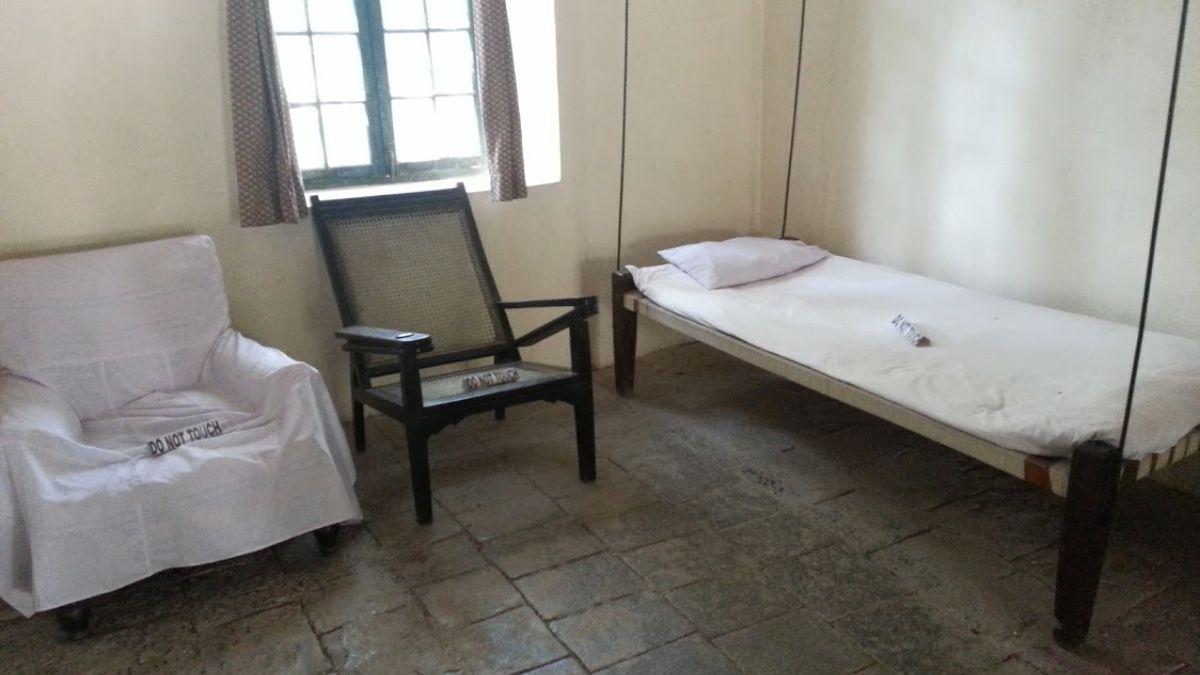
8. Ahmednagar Fort
Between 1942 and 1945, Nehru lived in seclusion within Ahmednagar Fort in present day Maharashtra. During those quiet years, he wrote The Discovery of India, an ode to India, her richness and wonderful spirit.
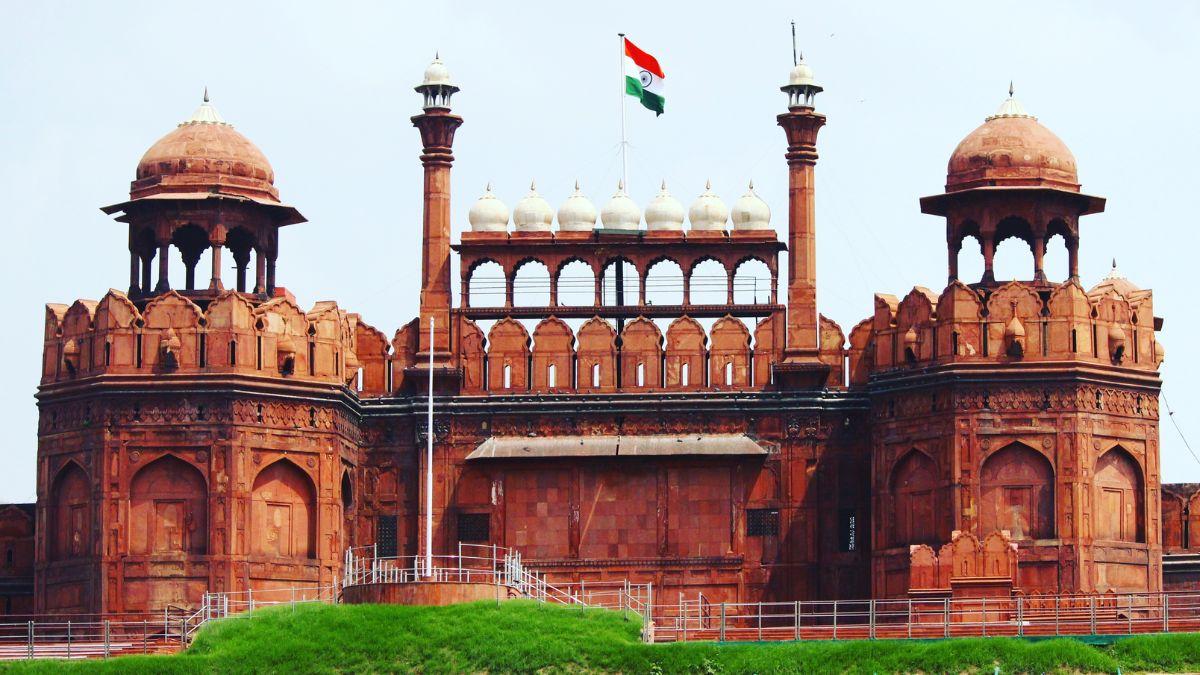
9. Red Fort, Delhi
'Fellow countrymen, it has been my privilege to serve India and the cause of India's freedom for many years. Today I address you for the first time officially as the First Servant of the Indian people, pledged to their service and their betterment. I am here because you willed it so and I remain here so long as you choose to honour me with your confidence...'
A day after his unforgettable Tryst with Destiny speech, Nehru spoke these famous words from the red sandstone ramparts of the Red Fort, after unfurling India's glorious Tricolour on August 15, 1947.

10. Teen Murti Bhavan
The Delhi white stone and stucco landmark served as Nehru's home throughout his years in office, till his death in May 1964.
Once the home of the commander in chief of the British India army, the grand 30-acre estate has a monument dedicated to three cavalrymen, hence the name Teen Murti. The statue was built to pay homage to troops from Hyderabad, Mysore and Jodhpur for their courage during the First World War.
Indira Gandhi, as prime minister, converted Teen Murti into a museum. Narendra Modi, as prime minister, has converted the Nehru museum into a museum honouring all of India's prime ministers.

11. Chashme Shahi Garden, Srinagar
Nehru had an unusual connection with these Kashmiri gardens, established in 1632 by decree of the Mughal emperor Shah Jahan. The spring's water is believed to offer health benefits. And Nehru often brought its water to Delhi.
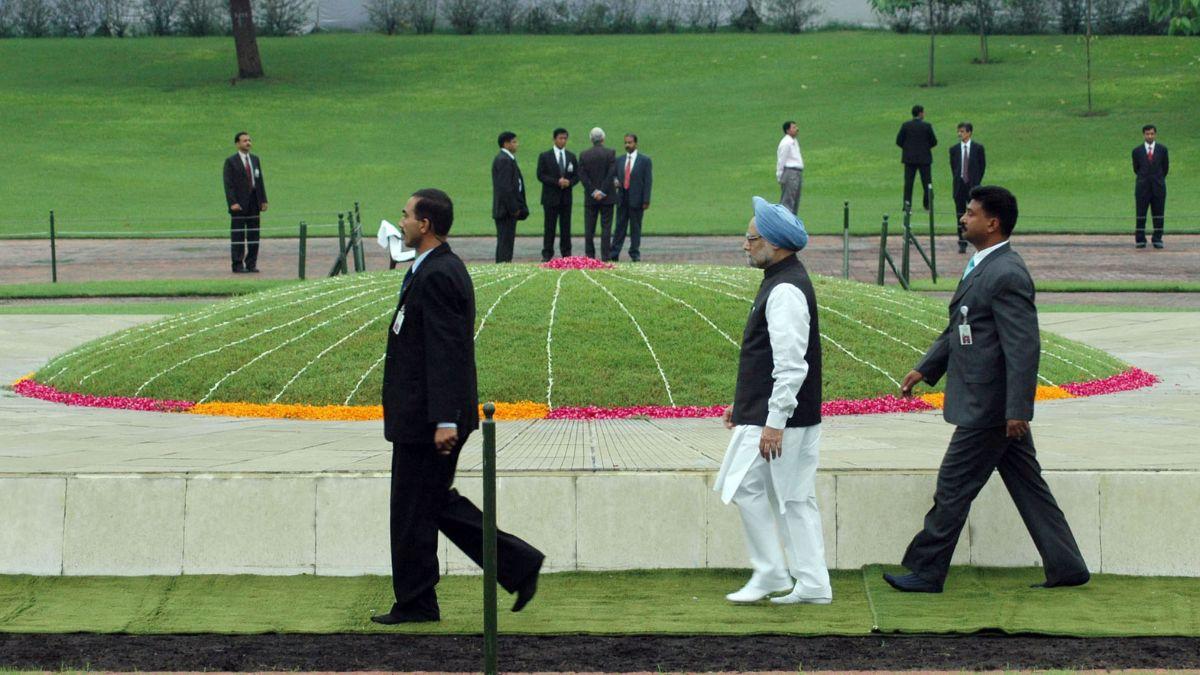
12. Shantivan, Delhi
On the banks of the Yamuna at Shantivan, Nehru was cremated on May 28, 1964. The place became a landscaped commemorative site and garden, close to Raj Ghat, the Mahatma's memorial.
As per his wishes, some of Nehru's ashes were immersed in the Ganga at the Sangam at Allahabad and the rest were scattered across India.







 © 2025