
From jacquard cashmere to artisanal alpaca blends, textiles as heirlooms or work of art are all the rage this celebration season.
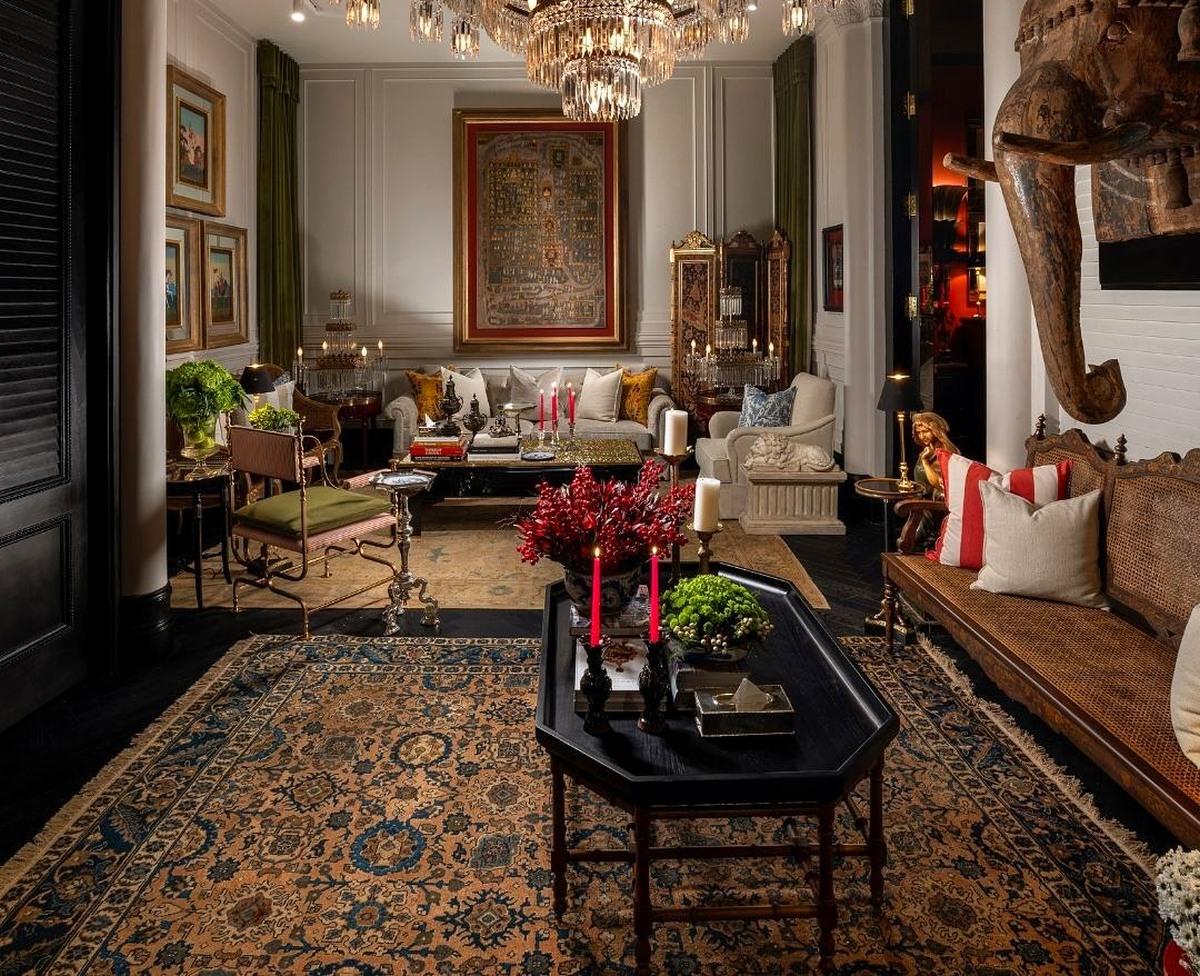
From the softness of hand-brushed cashmere to the iridescent sheen of silk velvet, the revival of fine textiles is transforming how Indian homes are expressing refinement this festival season.
Material matters
Walk into any finely appointed residence in Delhi or a sea-facing penthouse in Mumbai, and you'll likely find upholstery that tells a story.
Think sofas wrapped in hand-dyed Belgian linen, armchairs in cashmere-lurex jacquard, or cushions layered in alpaca wool and silk blends.
The discerning buyer is seeking textures that are both visually appealing and weave a unique narrative. Natural fibre fabrics of the artisanal variety are in high demand.
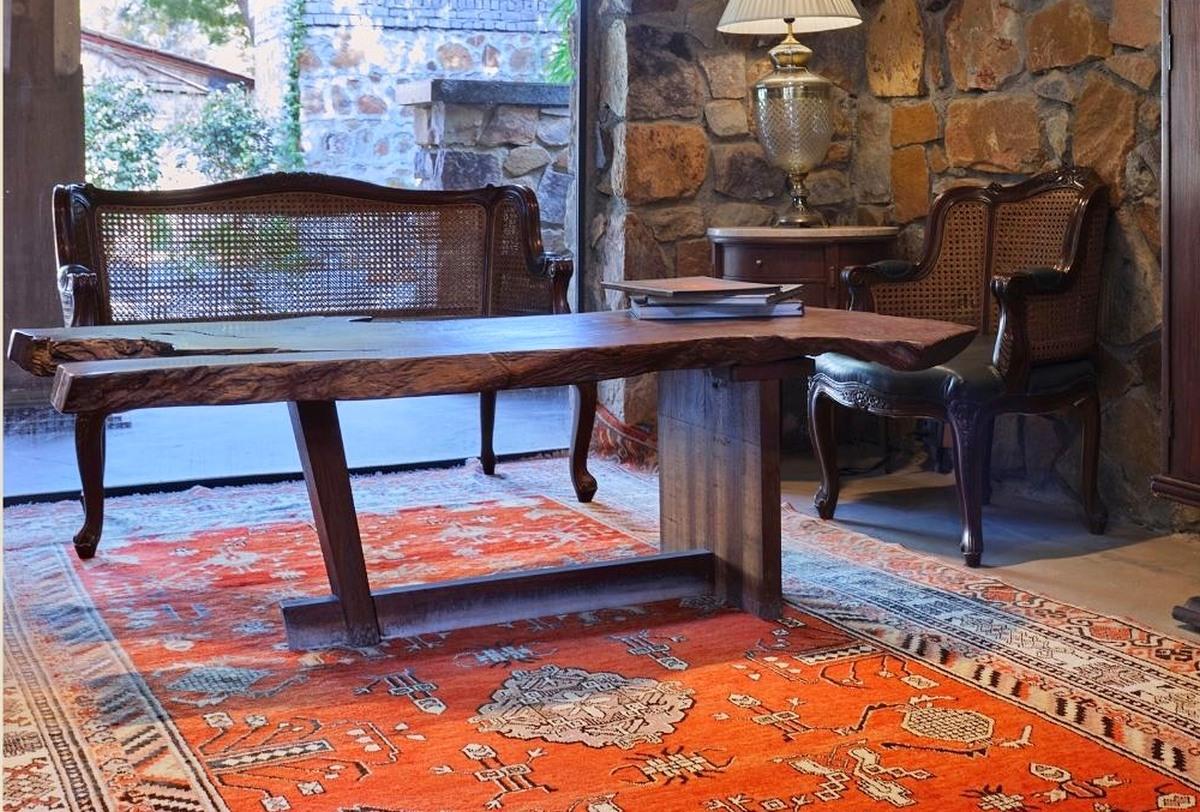
High-end carpet manufacturers like Carpet Cellar and Jaipur Rugs are witnessing a revival of fibres like mohair, hand-spun silk, and sustainably harvested wool -- each picked not merely for their looks but also for how they wear, interact with light, and feel against the skin.
"In today's resurgent India, where innovation thrives and there are over a hundred unicorns, there is a growing recognition that true luxury lies in artisanal craftsmanship -- rooted in centuries-old traditions and nurtured through generations of aristocratic patronage," says Smiti Chandra, director, Carpet Cellar.

Vintage weaves, novel stories
Interior design now adapts techniques like Mughal-period floral motifs, Kalamkari block printing, and Persian knotting.
Obeetee's limited-edition rugs bring together inspirations from abstract art and 2,500-year-old weaving traditions.
The 'Manchaha' series by Jaipur Rugs, designed by weavers themselves, celebrates individual stories through pattern, transforming floor coverings into museum-worthy canvases.
So does its genre-defying new collection, 'Dreamers', created in collaboration with textile artist Gurjeet Singh.
"The future of handmade craft is no longer just about the object. It's about dignity, ownership, and storytelling by those whose voices have long gone unheard," says Rutvi Chaudhary, director, Jaipur Rugs.

Indian hands, global brands
The increase in partnerships between Indian textile artisans and European luxury brands is one of the most compelling trends.
Italian furniture houses, Scandinavian minimalist brands, and French heritage home decor brands are increasingly looking to India.
"We collaborate with block printers in Jaipur and weavers in Varanasi to create exclusive capsule collections for our global clients," says an executive of a French company with operations in India.
The result? Limited-run, collectible fabrics blending European restraint with Indian spirit.
The home as gallery
Today, textiles are equally precious as fine art. Luxury homes are choosing soft materials with the same reverence as sculpture or painting, whether it's a hand-knotted rug signed by its creator or an embroidered wall panel made especially for a heritage bungalow.
Handmade, one-of-a-kind rugs worked on for months become part of Obeetee's 'Heirloom Collection', and are often bought as investments.
To integrate decor and heritage, connoisseurs have embroidery panels commissioned at Sarita Handa's atelier and placed like tapestries.

Textile tech
Tech-infused textiles -- think stain-resistant velvet, temperature-adaptive curtains, or fade-proof outdoor fabrics -- are increasingly in demand.
Sustainable dyeing methods, including natural indigo baths and enzyme-based softening, are gaining traction.
Extraweave, the parent company of Neytt Homes, which specialises in bespoke rugs and carpets, supplied the red carpet for MET Gala for the third time.
The company manufactured the base carpet in Alappuzha, Kerala, using the natural sisal fibre hand-sorted from Madagascar in boucle weave.
The carpet was then hand-painted by artists in New York, says Amna Ghafoor, art director, Neytt Homes.
Feature Presentation: Rajesh Alva/Rediff












 © 2025