
As India marks the first anniversary of Operation Sindoor, its decisive military action against the terror hotbeds in Pakistan, the ministry of external affairs sharply rebuked Islamabad's policy of terrorism.

The World Bank appointed Lafitte as the neutral expert to resolve the dispute for the 450 MW power project in May after Pakistan said construction of the project violated the 1960 Indus Water Treaty.\n\n
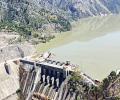
India has stopped releasing water from the Baglihar Dam on the Chenab River and is planning similar measures at the Kishanganga Dam on the Jhelum River, following a recent terror attack in Jammu and Kashmir. These hydroelectric dams offer India the ability to regulate water releases. This decision potentially affects the Indus Waters Treaty, a decades-old agreement between India and Pakistan governing the use of the Indus River and its tributaries. The Baglihar and Kishanganga dams have been points of contention between the two nations in the past.

The Indus Waters Treaty, brokered by the World Bank, has governed the use of the Indus River and its tributaries between India and Pakistan since 1960.
According to the provisions of the treaty, the decision of Professor Lafitte on all matters within his competence is final and binding.
In return, Pakistan will withdraw the case from the World Bank,says the South Asia Tribune.
In an interview to Geo TV, he said a "lot of things were going on behind the scenes."

Secretary of Pakistan's ministry of water resources Khawaja Shumail said: "We have neither concern nor objection if India diverts water of eastern rivers and supplies it to its people or uses it for other purposes, as the IWT allows it to do so."

The 40-year-old Indus Water Treaty between India and Pakistan has been an outstanding example of conflict resolution but scarcity of water in the basin states since the early 1990s has brought the agreement under strain and its "survival appears weak", according to a UN report.
 © 2026 Rediff.com - Advertise with us - Disclaimer - Privacy Policy - Sitemap - Feedback - About us - Terms of use - Grievances