
'Only a fool would put his life savings into a restaurant at 59... but I did.'
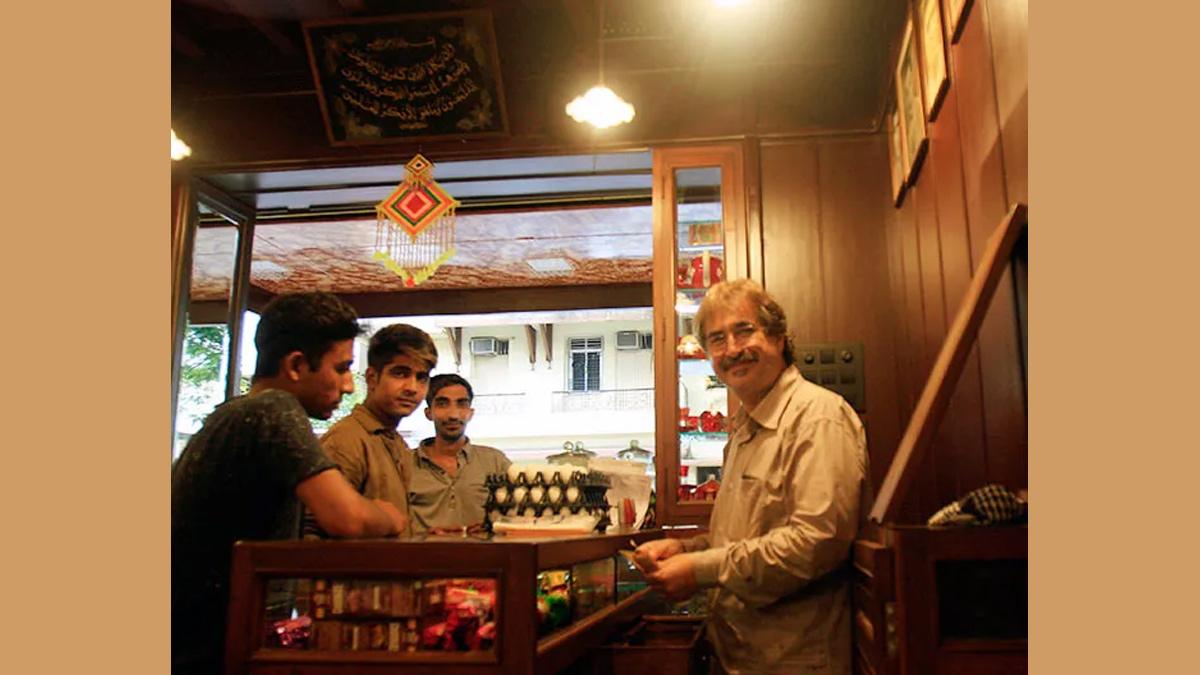
Life begins at 59.
It may sound unbelievable, but for Mansoor Showghi Yezdi, life truly began at 59.
In 2016, at 59, Mansoor started a small 20-seater cafe in a bylane of Mahim, central Mumbai, called Cafe Irani Chaii.
Success seemed almost impossible, because no restaurant had ever flourished in that sleepy bylane.
McDonald's, KFC or Subway had never considered opening a franchise in this part of town.
All the other successful restaurants in Mahim -- Paramount, Shehnaz, Madina or Sneha -- had been running for 30 years, but were located on the other side of the main road, Lady Jamshedji Road, just 50 metres away from Cafe Irani Chaii.
At that point, I personally felt that running a successful restaurant (in the pre-Zomato and Swiggy delivery days) depended entirely on getting a good location. Isn't that right, I happened to tease Mansoor one day.
"You're wrong," Mansoor told me in 2016.
"The restaurant business is run on emotions. A chef or cook puts creativity and feeling into food. That's what draws customers. This business is about taste. And if you get the taste right, customers will follow," he philosophised.
Mansoor served Kheema Pav, Bheja Masala, Paya Soup, Paya, Dhansak, and the most iconic Irani combo -- Bun Maska and Irani Chai.
"You must try the mutton paya. I make the best Mutton Paya in Mumbai," Mansoor once told me.
I was sceptical about his business -- and so were others in the neighbourhood. No one believed this small Irani Cafe would succeed.
The standard sceptical reaction in local Bambaiya style was: "Kaun aayega idhar Mahim mein Irani chai peeney? Aur kyon aayega?"
For Mansoor, the cafe was never about profit.
"I'm not starting this for profit. I'm doing it for the emotion and legacy of Irani chai. If I stay sincere, profit will follow," he said.
He reminded me of another famous Irani kebab restaurant in Mumbai -- Sarvi.
"Have you ever been to Sarvi in Nagpada in South Mumbai?" he asked.
I said, "Yes."
Mansoor said, "Sarvi has no nameboard at the entrance. But everyone knows where it is -- because of its legacy. I want the same for Irani Chai in Mahim."
To this day, Sarvi has no nameboard announcing its presence. Patrons just know it is there.
Cafe Irani Chaii opened in October 2016 with much fanfare. The locals rushed to get a taste of old Mumbai -- the Irani chai of their memories, now in their own neighbourhood.
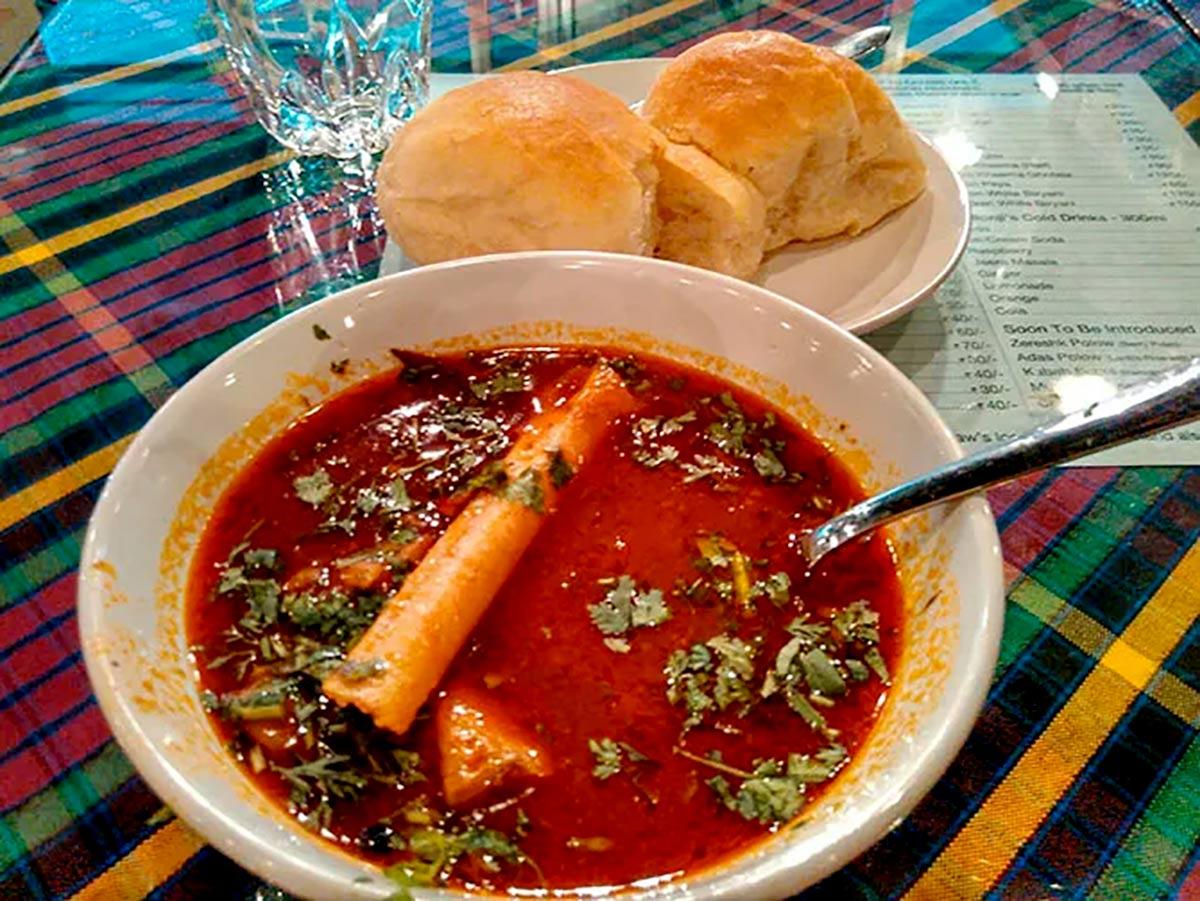
The dishes were exceptional -- especially the Mutton Paya, arguably the best in Mumbai.
But the biggest hit was the Bun Maska and Irani Chai -- a nostalgic taste of Bombay's old-school charm.
The combo became a living slice of history for a new generation.
It seemed the restaurant was an instant hit.
But within three months, that early success began to fade.
The initial euphoria died down. Footfalls dropped.
One Monday morning, as I passed by the cafe, I saw Mansoorbhai with his head in his hands, looking dejected.
I asked, "What happened? Is everything okay?"
He replied, "No. Not a single customer has come since morning. Monday is a terrible day for the restaurant business."
Naively, I suggested, "Why not shut the restaurant on Mondays? Treat it like a weekly off -- you'll save electricity, and you'll get some rest too."
"No way," said Mansoor. "You can't shut a restaurant even for a day. It creates bad publicity. People see the shutters down and think the place has shut down permanently."
"So what's the solution?" I asked.
He replied, "Only a fool would put his life savings into a restaurant at 59, in a business so uncertain. It takes five years of consistent operation before you start seeing profits."
When I once complained about him not selling bottled water, he said, "My conscience won't allow me to make money on water. Water is Allah's gift to humanity. We cannot profit from it."
"So how will you make a profit?" I asked.
"Through patience -- and the blessings of my ancestors," he replied.
"Blessings?" I wondered aloud.
Mansoor grew emotional. "Yes, the blessings of my ancestors."
He explained:
At 59, he was retired, after a career making documentary films. He had even worked with the legendary V Shantaram before venturing into documentaries.
But something still felt incomplete.
"I felt I had to keep the legacy of my ancestors alive before I die."
He told me how Bombay had given refuge to his grandfather in 1890, who came with his family from Yazd, Iran, fleeing famine.
"Atithi Devo Bhava -- and Indians lived by that. They never let us down."
His Irani family had flourished in the city. But now, Irani cafes had nearly vanished.
"There were once 400 Irani cafes in Mumbai. Today, barely a dozen remain. I want to revive the tradition of Irani chai. It's our culture. I want to bring it back."
He also explained the extra "i" in "Chaii" -- a tribute to the age-old friendship between Iran/Persia and India.
"I don't want the love and affection between India and Iran to die. I'm playing a small part, but it's valuable. I'm spreading love -- over a cup of Irani chai."
Over time, I saw Cafe Irani Chaii fill with customers.
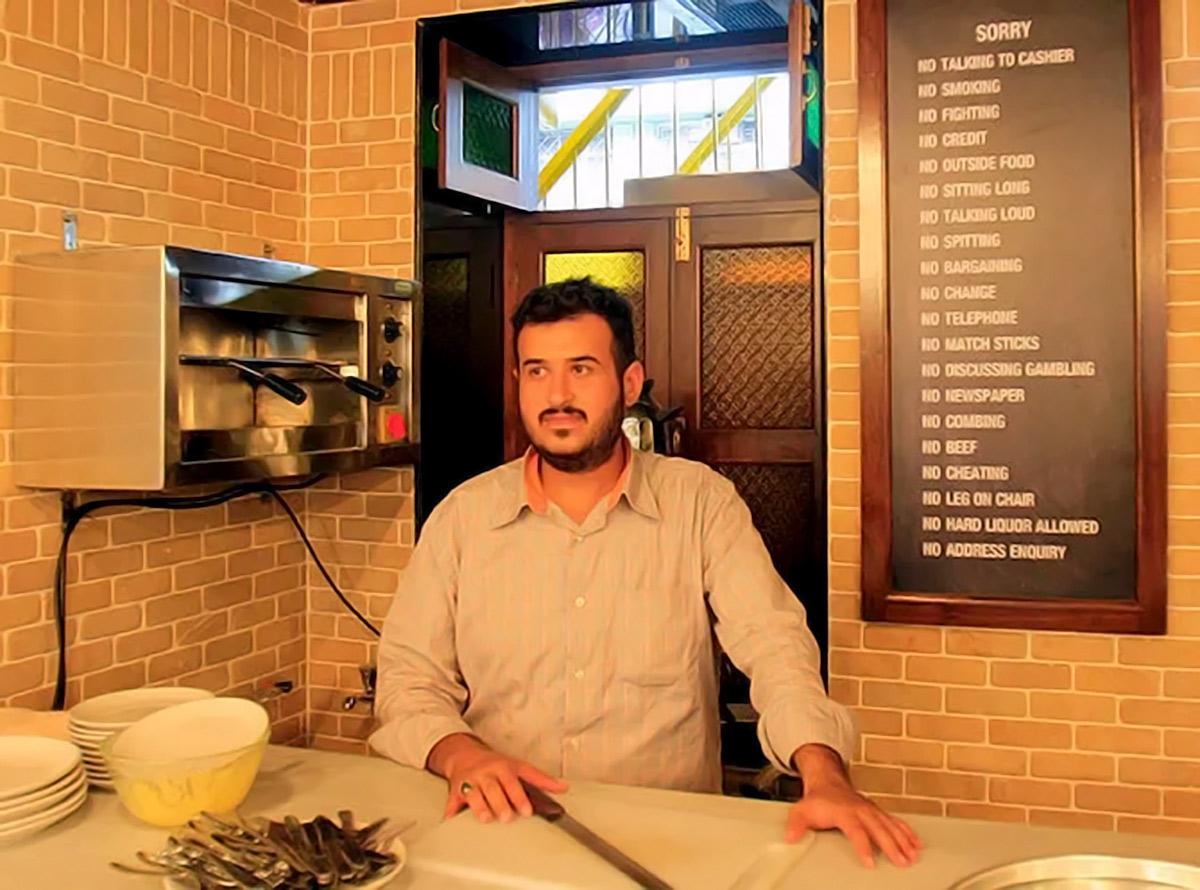
The Instagram generation discovered Mansoor's food and spread the word.
Youngsters posted selfies, reels and shared stories -- placing this small Mahim Cafe on a global map.
One Sunday morning, I saw his son Hussain running from one egg shop to another.
"What happened?" I asked.
Hussain said, "Sixty customers landed out of nowhere this morning for breakfast. We had limited eggs. I'm buying 60 more right now."
That day I knew that Cafe Irani Chaii had become a phenomenon.
In October 2023, Mansoor opened a second branch in Chembur in the eastern suburbs and personally invited me.
"Let the love between Iran and India flourish in more parts of Mumbai," he said over the phone.
I visited the new outlet -- much more spacious, triple the size of his original 20-seat cafe in Mahim.
It was an instant success too, and it continued to serve the famous Bun Maska and Irani Chai.
Sadly, Mansoor didn't live long to see the full success of his Chembur branch. He passed away this week of a sudden heart attack.
But Mansoor's legacy lives on.
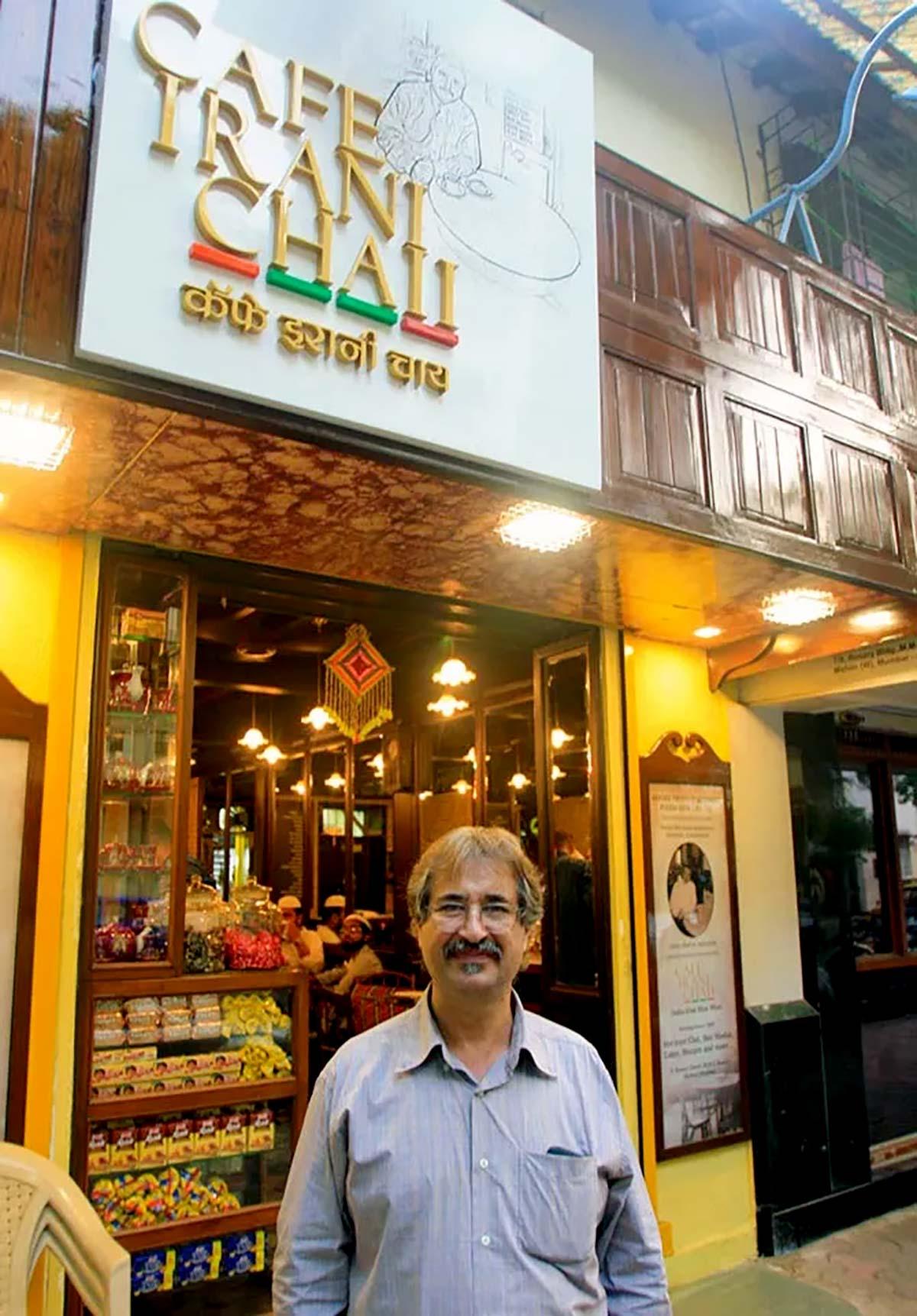
In every cup of Irani chai, every bite of Bun Maska, and in the hearts of those who remember the magic of a bygone Bombay.
PS: Post-COVID self-restrictions on using glass to serve water led Cafe Irani Chaii to sell bottled water. But it's sold at cost -- a bottle priced at Rs 10 in the market is offered at Rs 8 here, with no profit earned.
That was Mansoor. I remembered his "Through patience -- and the blessings of my ancestors" response to my "How will you make profit?"
His ancestors, I am sure, must have welcomed Mansoor with open arms, in heaven.









 © 2025